


More news on this day
Another mainstream cruise itinerary has been quietly pulled from sale and reassigned as a full-ship charter, leaving booked guests scrambling and adding to a string of recent cancellations blamed on private takeovers at sea.
Get the latest news straight to your inbox!
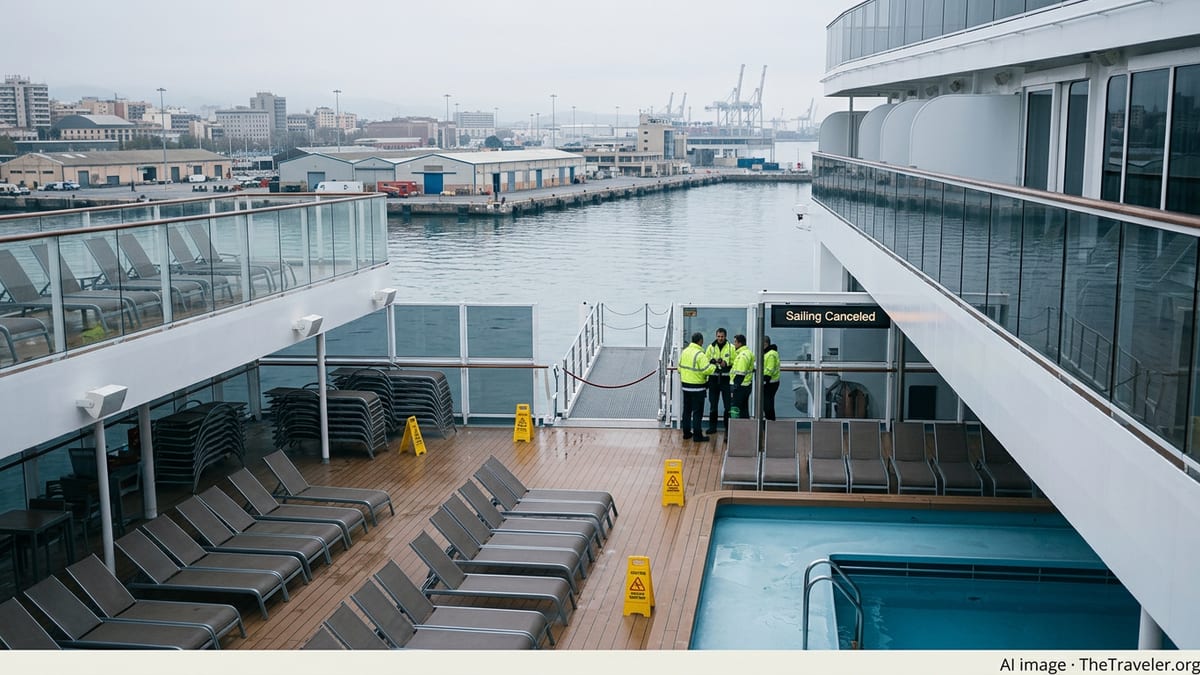
Latest Sailing Dropped as Charter Bookings Multiply
The newest round of disruption involves a regularly scheduled sailing that disappeared from public booking channels after the vessel was secured as a full-ship charter, according to published coverage and traveler reports. Guests who had reserved the now-removed voyage say they were notified that their cruise was no longer operating as planned because the entire ship had been sold to a single group.
While specific commercial terms of such charter deals are rarely public, available reports indicate that charter organizers commit to taking over all or nearly all cabin inventory, often at premium pricing. Once the agreement is in place, standard retail sailings on the affected dates are typically canceled and any existing reservations are moved, refunded, or otherwise adjusted.
This most recent case mirrors a pattern that has surfaced across several brands in 2025 and 2026, with voyages on large resort-style ships converted to corporate events, themed music festivals, or private celebrations. In each instance, the charter arrangement has taken precedence over previously booked individual travelers, reinforcing how flexible cruise schedules can be even long after guests place deposits.
Recent Cases Highlight a Wider Industry Pattern
Reports from consumer travel outlets and cruise forums show that this is not an isolated occurrence. Coverage of a Royal Caribbean sailing being replaced by a full-ship charter described guests receiving notices that their original itinerary had been removed, with options to shift to alternate dates or accept refunds. In another widely discussed example, Carnival removed a future New Zealand itinerary from its schedule after the ship was secured for an exclusive charter, again displacing existing customers.
The trend spans multiple markets and deployment regions. Long-planned voyages in Europe, the Caribbean, and the South Pacific have all been subject to cancellations tied to charters, as cruise lines adjust schedules years in advance to accommodate high-value group contracts. Some cases involve sailings more than a year away, providing ample time to rebook, while others have surfaced closer to departure, creating more complex logistics for travelers with nonrefundable flights and hotel stays.
Although cancellations due to operational needs, dry dock work, or redeployments remain more common overall, the rising visibility of charter-driven changes has sparked debate among frequent cruisers about transparency. Many travelers acknowledge that charters have long been part of the business model, but say they are now paying closer attention to how and when cruise lines communicate such switches.
What Happens When a Scheduled Cruise Becomes a Charter
Publicly available information from recent cases shows that when a regularly scheduled cruise is converted into a charter, affected guests are generally offered a combination of full refunds and rebooking options. Typical arrangements include returning all cruise fare and prepaid packages to the original form of payment, sometimes accompanied by future cruise credits or incentives designed to keep customers within the same brand.
However, consumer reports suggest that the specifics can vary significantly depending on how far in advance the change occurs. When cancellations happen many months before sailing, guests often receive standard refunds and the ability to choose a similar itinerary at prevailing rates. If the replacement voyage is more expensive, some travelers say they have been asked to cover the fare difference, while others report being granted price protection or partial credits.
In cases where a charter-related cancellation emerges closer to departure, available accounts indicate that cruise lines occasionally provide additional assistance, such as limited airfare change credits or help with rearranging travel plans. These gestures are not guaranteed and are usually described in the written notifications that accompany the cancellation, underscoring the importance of reading those communications closely.
Limited Legal Protections and the Role of Travel Insurance
Under the ticket contracts used by most major cruise companies, itineraries, ships, and schedules can be changed or canceled at the line’s discretion, subject to conditions set out in the fine print. Travel law specialists and consumer advocates note that these contracts typically give operators broad flexibility to redeploy vessels, including for charters, without owing additional compensation beyond refunds and any credits specified in company policies.
That framework means travelers who lose a sailing to a full-ship charter may not automatically be covered for out-of-pocket costs such as independent flights, pre-cruise hotels, or vacation time. Public guidance from travel advisors generally recommends pairing a cruise booking with travel insurance that includes trip cancellation or interruption benefits, and carefully checking whether supplier-initiated changes like charters are valid claim triggers.
Policy terms differ widely. Some plans may reimburse for nonrefundable related expenses when a supplier cancels a trip, while others may focus only on specific causes such as illness or severe weather. Travelers weighing coverage options are often advised to compare definitions, exclusions, and documentation requirements before purchasing, especially if they are booking high-cost international travel around a cruise departure.
Growing Calls for Transparency in Charter Practices
The latest cancellation attributed to a full-ship charter has prompted renewed discussion among frequent cruisers about how much visibility consumers should have into charter activity. Many guests accept that private takeovers support ship utilization and revenue, but argue that once a sailing is put on public sale and widely marketed, schedule stability should carry greater weight.
Some travelers posting on cruise-focused forums say they want clearer signals when particular dates are at higher risk of being converted into charters, or assurances that bookings made far in advance will not be displaced without added protections. Others suggest that a standardized compensation framework for charter-driven cancellations, including at least partial coverage for reasonable ancillary expenses, would improve trust and make it easier to rebook.
For now, the industry continues to balance regular retail itineraries with lucrative full-ship deals that can transform a scheduled voyage overnight. As more reports surface of guests receiving cancellation notices tied to charters, pressure is likely to grow on cruise lines to refine how they communicate these changes and to consider more consistent safeguards for travelers whose long-planned vacations are suddenly sent back to the drawing board.