


More news on this day
Mounting delays at Athens International Airport are sharpening scrutiny of Greece’s civil aviation system, as a series of technical disruptions, capacity constraints and airline complaints fuel calls for a comprehensive review of how the country manages its airspace and busiest hub.
Get the latest news straight to your inbox!
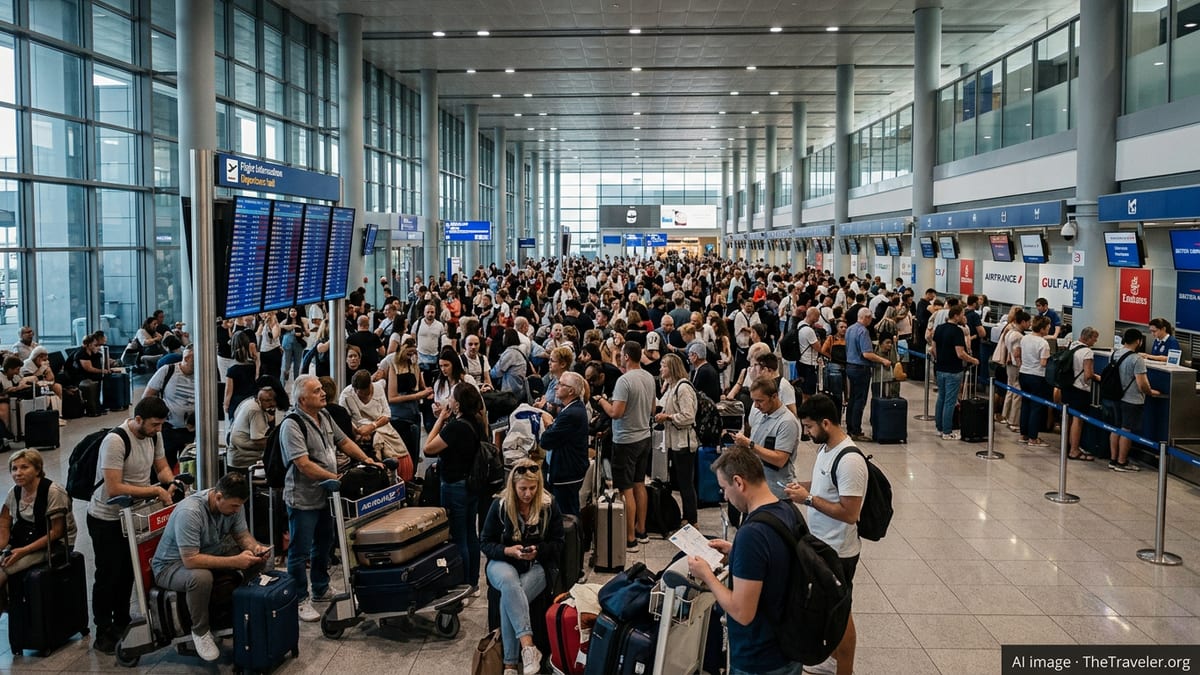
Inspection-Linked Disruptions Hit Peak Travel Period
Thousands of passengers traveling through Athens International Airport in recent days have faced extended waits as scheduled inspections of landing and navigation systems temporarily reduced runway capacity. Publicly available information shows that airborne checks of precision approach equipment were conducted over several afternoons, prompting arrivals and departures to be held or rerouted and producing delays that in many cases stretched close to an hour.
The work on critical landing aids was described in local coverage as part of routine safety obligations, but its timing at the start of the summer season meant that even short windows of restricted operations quickly cascaded into longer queues on the ground. Travel forums and flight-tracking platforms highlighted knock-on disruption on domestic routes linking Athens with popular island destinations, where aircraft and crews were left out of position for later rotations.
Airlines have advised passengers to arrive early and monitor flight status closely, as late-afternoon bottlenecks in particular have become more common. While delays of under an hour are modest by global standards, observers note that they are occurring against a backdrop of already strained infrastructure and have amplified criticism that Greece has not moved fast enough to align air traffic capacity with surging demand.
January Communications Failure Exposes Systemic Weaknesses
Frustration over the latest delays is compounded by memories of a major airspace shutdown earlier this year, when a failure in radio communications within the Athens Flight Information Region forced a halt to most flights for several hours. According to published reports, multiple frequencies used by controllers were hit by persistent interference, triggering stringent traffic restrictions and causing widespread cancellations and diversions across the country.
The incident led to the resignation of the head of the Hellenic Civil Aviation Authority and prompted scrutiny from European and international professional bodies, which publicly pointed to aging infrastructure and long-standing underinvestment in critical systems. Statements from air traffic controller associations at the time emphasized that concerns over obsolete equipment and delayed upgrades had been raised repeatedly in recent years.
Subsequent analyses from industry observers described the communications collapse as a warning sign for a network under pressure, noting that resilience arrangements and backup systems did not prevent a large-scale shutdown. The episode has since become a reference point in public debate about whether Greece’s civil aviation oversight and technical planning are keeping pace with growing traffic flows through Athens and regional airports.
Airlines and Unions Call Out Capacity and Planning Gaps
Recent weeks have seen a sharper tone from airlines operating in and out of Athens. One Greek carrier has publicly linked a pattern of delays on core domestic sectors to what it characterizes as structural planning shortcomings in the way airspace and terminal capacity are organized. Reports indicate that the airline has flagged peak-hour congestion, limited flexibility in runway and sector configuration, and a lack of timely coordination around infrastructure works as key contributors to poor on-time performance.
Air traffic controller groups have also been vocal, drawing attention to recurring communication issues and high workload in the Athens airspace. Public statements from representative associations refer to outdated systems still in use, and argue that modernization projects have moved too slowly despite repeated warnings and external audits. In their view, the combination of rising traffic, legacy technology and staffing pressures increases the risk of further disruptions if structural questions are not addressed.
Separate analyses by aviation data and passenger-rights firms show that overall disruption in Greek airspace has risen markedly in early 2026 as traffic has rebounded. These assessments highlight Athens as a critical choke point, with delays at the hub often propagating to regional airports and international connections. For tourism operators and airlines, the reliability of the Athens node is emerging as a strategic concern as the country works to sustain record visitor numbers.
Civil Aviation Authority Under Pressure to Accelerate Reforms
The Hellenic Civil Aviation Authority, which oversees air traffic control, air navigation services and regulatory supervision, has outlined a modernization program that includes a digital overhaul of communications and surveillance systems. Information published by the authority and specialized industry outlets describes plans to replace analog networks, upgrade control center technology and align national performance targets with wider European frameworks on capacity, delay reduction and cost efficiency.
Recent working meetings between the authority and European performance review bodies have reportedly focused on capacity planning, traffic forecasts and air navigation charges, indicating a push to embed Greece within broader regional initiatives to optimize airspace. Greece also holds leadership roles in cooperative Mediterranean airspace projects, suggesting that external partners are closely watching how the country responds to the current pressures.
Despite these initiatives, critics contend that implementation timelines remain too long given the pace of traffic growth and the reputational damage caused by high-profile failures. Commentaries in Greek and international media argue that governance arrangements, procurement processes and investment priorities within the aviation sector require closer examination if the underlying causes of recurring disruptions at Athens are to be tackled effectively.
Risks for Tourism Hub as Summer Demand Climbs
Athens International Airport has benefited from several years of rapid passenger growth, consolidating its role as a gateway to Greece’s islands and as a transfer point between Europe, the Middle East and beyond. Company filings and tourism statistics show that airlines have added capacity aggressively, betting on sustained demand for leisure and city-break travel.
That success now carries new risks. Travel industry analysts warn that repeated delays, even when linked to necessary safety checks or one-off technical failures, can undermine passenger confidence and strain airline schedules during the most lucrative months of the year. Given the importance of tourism to Greece’s economy, there is growing sensitivity to any perception that the country’s main hub is struggling to cope with demand.
Calls for a civil aviation review are therefore widening from narrowly technical questions to a broader discussion about long-term capacity strategy, from staffing and training to slot coordination and contingency planning. Observers suggest that the experience of other European hubs facing similar growth pressures may provide useful benchmarks for how Athens and the national aviation system can strengthen resilience, reduce delays and support sustainable expansion in the years ahead.