


More news on this day
Hartsfield-Jackson Atlanta International Airport is in the middle of a multiyear overhaul of Concourse D, a $1.3 billion expansion designed to ease crowding and create space for millions of additional travelers at the world’s busiest hub.
Get the latest news straight to your inbox!
What The Concourse D Expansion Actually Includes
Publicly available project information describes the Concourse D Widening as one of Atlanta’s most significant airport upgrades in decades. The domestic concourse, long known for its narrow corridors and packed gate areas, is being widened from about 60 feet to roughly 99 feet and extended to the north and south to add nearly 300 feet of additional length. The work is part of the broader ATLNext capital improvement program reshaping facilities across the airport.
The redesign focuses less on adding more gates and more on making each gate capable of handling larger aircraft and more passengers. Plans call for 34 aircraft parking positions for modern narrowbody jets, replacing the existing configuration of about 40 smaller regional-jet gates. Project documents indicate that, despite the lower gate count, the new layout is expected to accommodate more travelers overall because each position can handle bigger planes with higher load factors.
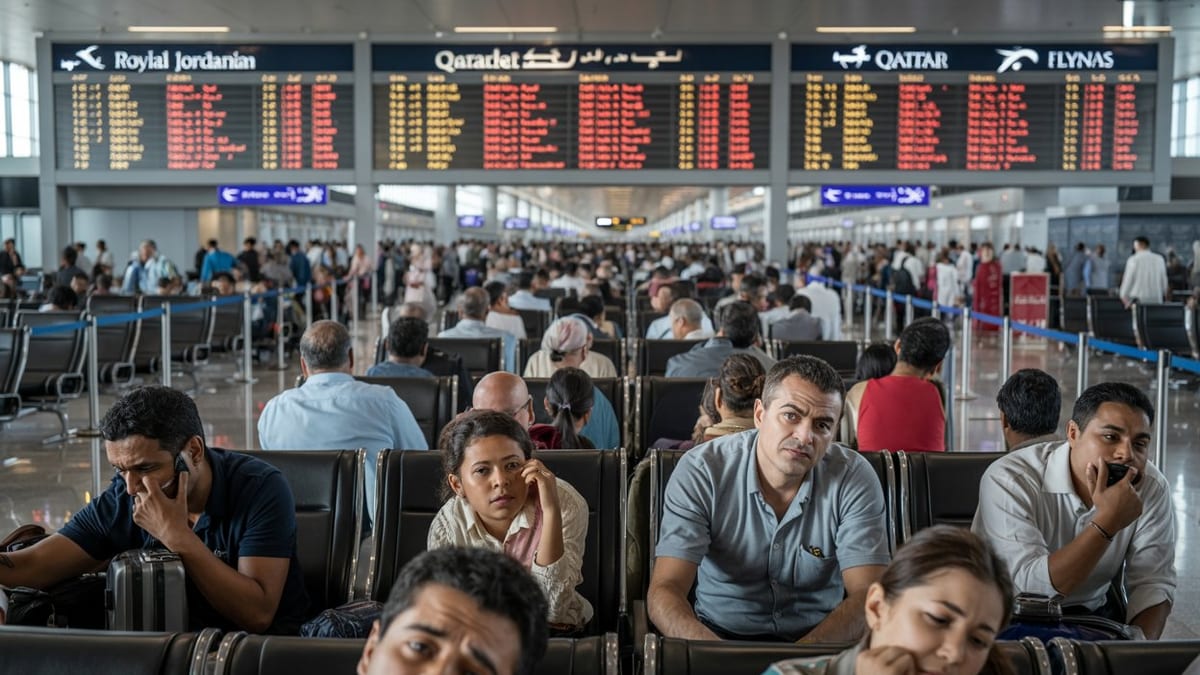
For passengers, the most visible change will be inside the concourse itself. The boarding level is projected to see a roughly 75 percent increase in square footage, with a central circulation corridor widened by nearly 30 feet and ceiling heights raised to about 18 feet. Renderings and design summaries highlight larger holding rooms at each gate, significantly expanded restrooms and more room for concessions, all aimed at reducing the cramped feel that many travelers associate with Concourse D today.
Behind the scenes, the project also rebuilds and expands apron-level support spaces, from baggage handling and airline operations rooms to the mechanical, electrical and IT infrastructure that keeps flights moving. These capacity upgrades are intended to match the concourse’s higher passenger throughput and support future technology needs without constant ad hoc retrofits.
Modular Construction Keeps The World’s Busiest Hub Moving
One of the most unusual aspects of the Concourse D expansion is how it is being built. According to engineering firms and airport planning documents, the project relies heavily on modular construction. Large sections of the new concourse are prefabricated off-site in a dedicated yard, then transported across the airfield and attached to the existing structure during carefully timed overnight closures.
This approach is intended to keep as many gates open as possible during construction and to limit disruptions at a hub that serves well over 90 million passengers a year. Project phasing strategies generally call for no more than a handful of gates to be out of service at once, with airlines temporarily shifting operations to other concourses when specific sections of D are offline.
Reports indicate that the modular method is expected to save several years compared with a traditional stick-built project and to help control costs on a complex, multi-phase undertaking. It also allows construction teams to work in safer, more controlled environments away from live aircraft operations, then move completed sections into place with less impact on day-to-day schedules.
Passengers traveling through Atlanta today may already notice changes on portions of Concourse D where widened sections have opened in phases, while other stretches remain under construction. The patchwork appearance is a visible sign of the modular strategy in action as the concourse is gradually transformed while remaining operational.
Timeline, Budget And Long-Term Capacity Gains
The Concourse D Widening has been in planning for several years and formally moved into major construction in the mid-2020s. Airport disclosures and capital program documents describe it as a multi-year effort running through the second half of this decade, with work sequenced in phases to keep Atlanta’s hub function intact. Completion is currently projected near the end of the 2020s, though portions of the expanded concourse are opening earlier as each modular segment comes online.
The total budget for the project is often cited at about $1.3 to $1.4 billion, funded through a mix that includes airport revenue bonds, passenger facility charges and federal infrastructure programs. Within the broader ATLNext plan, Concourse D is one of several large initiatives, alongside terminal upgrades, new parking decks and airfield improvements, all aimed at allowing the airport to handle future growth in domestic and international traffic.
From a capacity standpoint, the expansion is designed to support millions of additional passengers annually. While exact figures vary in different planning documents, the larger aircraft positions, bigger gate areas and expanded circulation space are expected to increase the concourse’s processing capability significantly compared with the previous configuration focused on smaller regional jets.
That added capacity is important given Atlanta’s role as a primary connecting hub for Delta Air Lines and a major gateway for domestic travel across the United States. Industry analyses frequently point to ongoing demand growth in the Southeast and the need for more efficient use of existing airport footprints, rather than entirely new airports, to accommodate that demand.
What Travelers Will Notice On The Ground
For individual passengers, the Concourse D expansion translates into a series of everyday improvements. The most immediate change is the feeling of space. Wider corridors are intended to reduce bottlenecks as boarding and arriving passengers cross paths, particularly during banked connection waves when flights arrive and depart in tight clusters.
Larger holdrooms and a projected seating capacity of several thousand chairs mean fewer travelers standing in aisles or spilling into walkways as they wait to board. Early reports from newly opened sections describe noticeably more breathing room around gate podiums, with space to form boarding queues without blocking through traffic.
The project also reserves additional square footage for concessions and services. While specific tenants can change over time, the design allows for more food, beverage and retail options than the old concourse footprint could support. That is expected to provide better access to dining and last-minute purchases, especially at peak times when existing outlets across the airport often experience long lines.
Restroom capacity is another focus. Plan materials describe new restrooms roughly twice the size of older facilities, with more fixtures and modern layouts intended to speed up use and reduce queuing in narrow corridors. Combined with upgrades to lighting, finishes and wayfinding, these changes aim to bring Concourse D in line with newer concourses at other major U.S. hubs.
Navigating ATL While Construction Continues
Despite the scale of the Concourse D expansion, the basic layout of Atlanta’s airport remains the same. Travelers move between the domestic terminal, Concourse T and Concourses A through F using the Plane Train automated people mover or the underground pedestrian tunnel. Once inside the secure area, passengers can reach any concourse without re-clearing security, which helps airlines shift operations as construction phases progress.
During active construction periods on D, some flights that previously used the concourse may be reassigned to neighboring concourses, particularly A and C. Airline communications and airport display systems typically reflect these changes, so checking gate information closer to departure is advisable, especially for frequent travelers accustomed to specific patterns at Atlanta.
Passengers connecting through ATL should allow a bit of extra time if traveling to or from gates on Concourse D while work continues. Portions of the concourse may involve temporary walls, detours or uneven traffic patterns as new segments open and older sections close for renovation. Airport maps, public announcements and digital signage generally highlight affected areas and updated routes.
For now, Concourse D sits at the intersection of two Atlantas: the tight, utilitarian facility that has served regional jets for decades and the larger, more open space taking shape segment by segment. For millions of travelers in the years ahead, the finished product is expected to mean a less congested connection at the heart of the nation’s primary aviation crossroads.