


More news on this day
Rail services to the seaside town of Paignton in Devon remain suspended after a major fire tore through the historic station building, leaving the structure "significantly damaged" and prompting widespread disruption across the local network.
Get the latest news straight to your inbox!
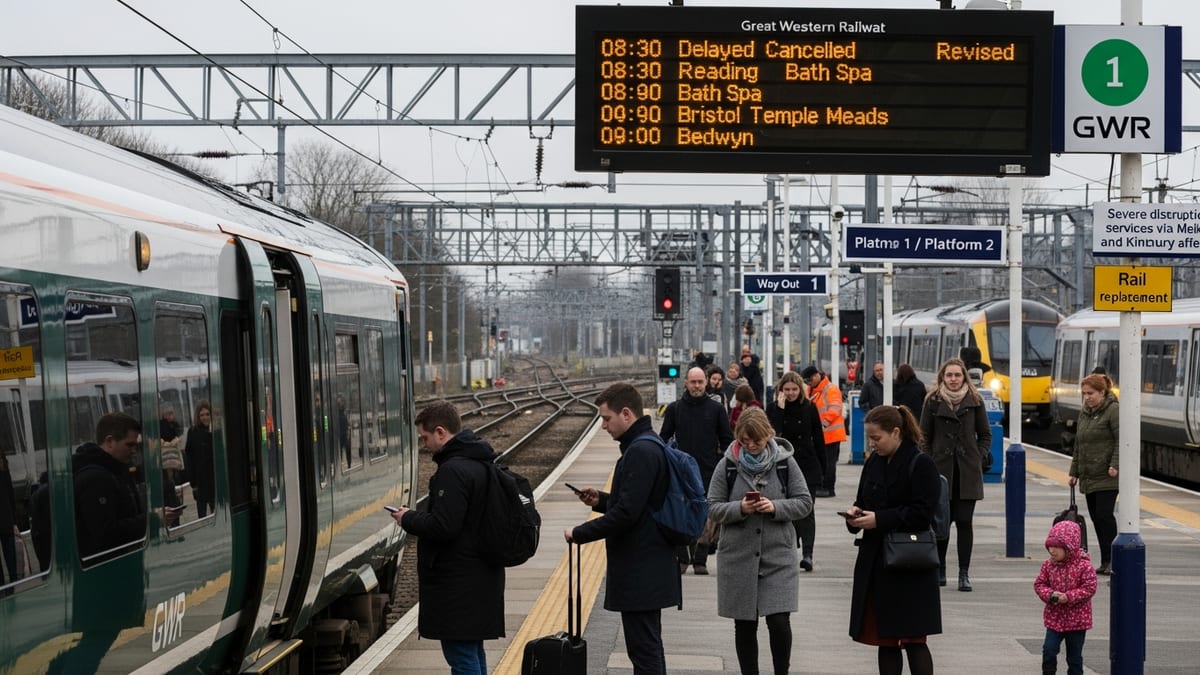
Blaze rips through historic Paignton station
Published coverage indicates the fire broke out at Paignton railway station in Devon on Tuesday, severely affecting the main station building that serves as a gateway to the English Riviera resort. Images from the scene show flames punching through the roof and thick smoke billowing above the platforms as emergency crews worked to contain the blaze.
Initial reports describe extensive fire and smoke damage to the fabric of the station, which sits close to the town centre and is a key arrival point for holidaymakers. The building, which has long been part of the town’s tourism infrastructure, has suffered what rail operators describe as significant structural impact.
According to publicly available information, three boys were arrested on suspicion of arson in connection with the incident. No fatalities have been reported, but the scale of the damage has raised questions about how long the station will remain out of use and what repairs will be required to make the building safe.
Fire crews remained on site for several hours to damp down hotspots and assess the extent of the damage inside the station. Early assessments suggest the interior of the building, including the roof and passenger facilities, has been badly affected.
Rail services cut back to Torquay and wider disruption
Following the fire, services on the Great Western Railway route along the south Devon coast have been curtailed, with trains currently unable to run beyond Torquay. Public information from the operator states that engineers must complete safety checks before any rolling stock can return to Paignton’s platforms.
The suspension affects direct links into Paignton from Exeter and beyond, with passengers advised to complete journeys by alternative means or to use nearby stations where possible. Replacement transport has been limited, and travellers heading for holiday accommodation in Paignton and surrounding resorts are being warned to factor in additional time.
The disruption comes at a busy time for domestic tourism along the Devon coastline, where rail connections play a central role in reducing road congestion. With Paignton station closed, nearby Torquay and Newton Abbot are bearing a greater share of arrivals and departures, potentially increasing pressure on those hubs.
Operators are continuing to review timetables along the route, adjusting services in response to ongoing engineering assessments at Paignton. Passengers are being urged to check the latest travel information on the day of departure before heading to the coast.
Safety inspections and assessment of structural damage
Engineers are now working through a detailed inspection process to determine the full extent of damage to the station building, platform canopies and trackside equipment. Rail infrastructure specialists typically examine structural supports, roofing, cabling, signalling connections and passenger areas after a severe fire to ensure that any reopening does not compromise safety.
Publicly available information indicates that, in addition to visible fire damage to the roof and external walls, smoke and heat are likely to have affected electrical systems and internal fixtures. Restoring a historic station after such an incident can require significant remedial work, including stripping out damaged materials before repairs and refurbishment can begin.
The station will remain closed until engineers are satisfied that both the building and adjacent railway infrastructure meet operational safety standards. That process can involve staged reopenings, with partial platform access or temporary facilities, although no timescale for such measures has yet been confirmed.
Local observers note that Paignton’s role as a terminus and tourist hub may influence the pace of reconstruction, with rail and civic stakeholders likely to weigh the costs of speedy repairs against the opportunity to improve passenger facilities during any rebuilding phase.
Impact on tourism and local businesses in Paignton
The closure of Paignton station arrives at a challenging moment for local businesses that rely heavily on visitor footfall from rail passengers. Hotels, guesthouses, cafes and attractions within walking distance of the station typically benefit from day-trippers and holidaymakers stepping straight off the train into the town centre and seafront areas.
With trains currently terminating at Torquay, visitors are being forced to transfer to other modes of transport to complete their journeys. That additional friction may discourage some short-stay or spontaneous trips, at least in the short term, potentially reducing revenue for smaller independent businesses.
Travel analysts observing similar incidents at other rail hubs note that clear, coordinated information can help mitigate the impact on tourism. When passengers receive early notice of route changes and alternatives, they are more likely to adapt plans rather than cancel outright. The speed with which temporary arrangements are put in place for Paignton will likely shape how quickly visitor numbers stabilise.
Local travel and tourism bodies are expected to monitor booking trends and visitor flows closely in the weeks ahead, as the town works to reassure would-be visitors that Paignton remains accessible despite the disruption at its main station.
Questions over heritage and future resilience
Paignton’s station building is regarded as part of the town’s historic streetscape, and the fire has renewed attention on the vulnerability of older rail infrastructure to modern risks. Across the United Kingdom, similar incidents at heritage stations have prompted discussions about fire protection, security, and the balance between preserving character and upgrading safety systems.
Published coverage of comparable station fires highlights the long and often complex process of restoring historic fabric in line with planning rules and conservation guidelines. In some cases, restoration has led to modernised interiors behind traditional facades, integrating upgraded fire detection and suppression systems without undermining period architecture.
As investigations into the Paignton blaze proceed, observers in the rail and heritage sectors are likely to focus on what lessons can be drawn for other coastal and small-town stations. Issues such as out-of-hours security, access control and the resilience of older materials to intense heat may all come under renewed scrutiny.
For now, the priority remains assessing the damage, restoring safe rail operations, and charting a path for the long-term future of Paignton station. The outcome will help determine not only how quickly trains can return, but also what shape this key Devon gateway will take in the years ahead.