


More news on this day
An Australian reality television personality has described a “battered” and terrifying experience at a Thai airport, alleging a confrontation with staff that left her bruised, humiliated, and questioning how quickly a holiday transit can turn into a nightmare.
Get the latest news straight to your inbox!
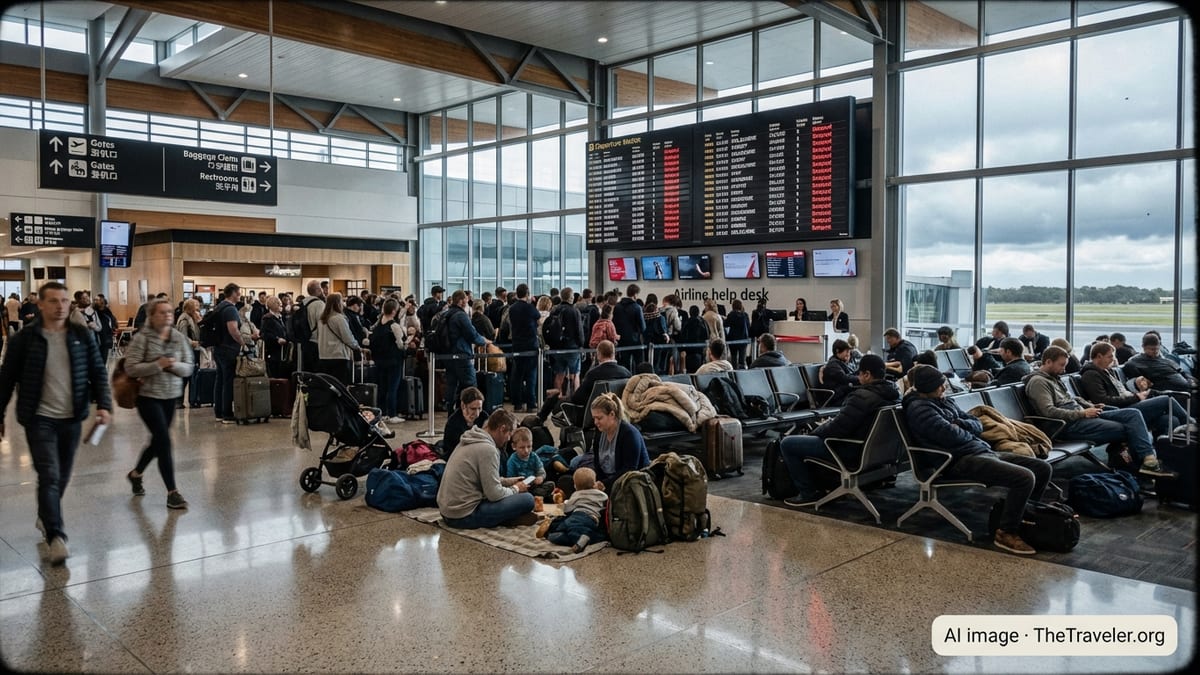
From Beach Break to Viral Airport Allegation
According to recent entertainment and tabloid coverage, the Australian reality star had been flying to Thailand for a short break when a dispute unfolded during transit at a major Thai airport. Reports indicate that what began as a routine passage through the terminal escalated into a tense confrontation involving airline and airport staff, with the television personality later sharing images online that appeared to show bruising and swelling to her face and body.
The star, known to audiences from an Australian reality dating and relationship series, reportedly recounted the incident in a series of social media posts once she had left the airport. Those posts, circulated widely by entertainment outlets, used words such as “battered” and “horror” to describe her condition and the broader experience of being surrounded by personnel in a foreign terminal.
Early reports suggest there was confusion about baggage and boarding procedures shortly before the situation escalated. Coverage in celebrity news sections notes that flight times, cabin rules, and questions over documentation may all have contributed to rising tensions, although publicly available accounts differ on the exact sequence of events in the minutes before physical contact was alleged.
Images reshared by fan accounts appear to have amplified the sense of drama, framing the event as a grim cautionary tale about overseas travel. Yet the lack of complete, independently verified footage from within the terminal has left many details open to interpretation, with observers relying heavily on the reality star’s own narrative and partial clips posted after the fact.
Conflicting Narratives Over What Really Happened
As coverage of the alleged assault spread, different versions of events began to surface. While the reality star’s posts emphasised a frightening clash with airport staff and the feeling of being physically overwhelmed, summaries of internal airline and airport reports referenced by local media pointed to an unruly passenger scenario, with staff attempting to manage what they considered disruptive behaviour.
Entertainment and news outlets note that some accounts describe verbal exchanges escalating rapidly, with raised voices on both sides in a crowded gate area. Publicly available information suggests that staff insisted on compliance with boarding instructions and security-related procedures, while the passenger maintained that instructions were confusing and that she felt singled out and mistreated.
Observers have pointed out that this divergence is common in high profile travel disputes. Airport and airline staff often emphasise safety protocols, while passengers stress their own perception of intimidation or excessive force. In this case, the presence of a recognisable television personality added a further layer of complexity, as the story moved almost instantly from the terminal into the global social media ecosystem.
Several commentaries in Australian and regional press have noted that no comprehensive public incident report has yet clarified each step of the altercation. In the absence of a complete timeline, much of the debate has focused on broader questions about how disputes between staff and passengers are handled in busy hubs that serve millions of tourists each year.
Thai Airport Procedures Under Scrutiny
Thailand’s major international airports handle large volumes of Australian tourists each season, particularly on routes between cities such as Sydney, Melbourne, Phuket, and Bangkok. Aviation and travel industry coverage has long noted that security and immigration staff follow strict protocols, shaped by national regulations and international aviation standards, that give them wide discretion in dealing with passengers who appear noncompliant, distressed, or intoxicated.
Publicly available guidance from Thai aviation and tourism agencies stresses that passengers are expected to follow staff directions immediately, especially at security screening points, immigration counters, and boarding gates. In practice, however, language barriers, jet lag, and cultural differences can turn a simple misunderstanding into a heated argument.
Travel analysts writing about the latest case suggest that high profile incidents like the one involving the Australian reality star highlight the fragility of these interactions. A single dispute about luggage weight, seat assignments, or boarding order can escalate if either side feels disrespected or threatened. Once security teams are called, the priority shifts firmly to restoring order, which can involve physical intervention that passengers later describe as rough or frightening.
At the same time, Thai airports are under pressure to protect their reputation as safe and efficient gateways to the country’s tourism economy. Comment pieces in regional outlets indicate that senior airport management typically review serious complaints involving foreign nationals and celebrities, both to check staff conduct and to assess whether existing training adequately prepares employees for confrontations that can quickly go viral.
Social Media Outrage and the Power of Celebrity
The reality star’s account of the incident gained traction largely because of her existing follower base. Within hours of posting photos of bruises and detailing her experience, her story had been picked up by entertainment sites and gossip columns, with headlines drawing heavily on phrases like “airport horror,” “battered,” and “holiday nightmare.”
Media commentators have noted how incidents involving recognisable faces shape public opinion about destination safety more powerfully than routine advisory bulletins. A single, emotionally charged post from a reality personality can influence how fans feel about flying to a particular country, even when verified data show millions of smooth, incident free journeys each year.
Discussion threads beneath coverage of the incident have featured competing reactions. Some readers express sympathy and anger about what they see as excessive use of force against a lone traveler, especially a woman in an unfamiliar environment. Others point to reports of raised voices and noncompliance, arguing that staff are entitled to intervene when they believe cabin or terminal safety is at risk.
Analysts observing the backlash say this split mirrors a broader global debate around travel, authority, and the credibility of influencer style storytelling. In the absence of neutral footage that captures the full exchange, audiences often default to whichever narrative aligns with their existing views of airports, law enforcement, and reality television culture.
What Travelers Can Learn Before Flying to Thailand
Regardless of the unresolved details in this case, travel experts are using the attention around the story to reiterate practical advice for Australians heading to Thai airports. Guides published by consumer travel columns consistently recommend that passengers check baggage rules, visa requirements, and transit conditions well in advance, and that they allow generous time for security and immigration checks, particularly during peak holiday periods.
Advisory pieces also stress the importance of keeping calm during disagreements with airline or airport staff. Passengers are encouraged to ask for clarification in simple, neutral language, to avoid using offensive or aggressive terms, and to request a supervisor if they feel they are not being heard. Documenting interactions quietly and respectfully, where local policies allow, can help support later complaints without inflaming the situation in the moment.
For travelers with existing public profiles, including reality television personalities and influencers, analysts suggest an additional layer of caution. High visibility can be both a shield and a spotlight, potentially encouraging bystanders to film encounters and magnifying the consequences of even brief confrontations. Some media commentators recommend that high profile travelers consider traveling with professional support when possible, or at least ensuring friends or colleagues are nearby in case disputes arise.
As for the alleged “battered” airport horror involving the Australian reality star, further clarity may emerge if more official documentation is released or if legal action follows. Until then, the episode stands as a stark reminder of how quickly a modern journey through a busy Asian hub can shift from routine to deeply unsettling, and how powerfully such stories can reverberate far beyond the terminal walls.