


More news on this day
An Australian tourist’s dream holiday has turned into a cautionary tale for the AI age, after being detained for hours and refused entry to the United States despite relying on ChatGPT for visa guidance and believing they had followed the rules.
Get the latest news straight to your inbox!
A holiday of a lifetime that never left the airport
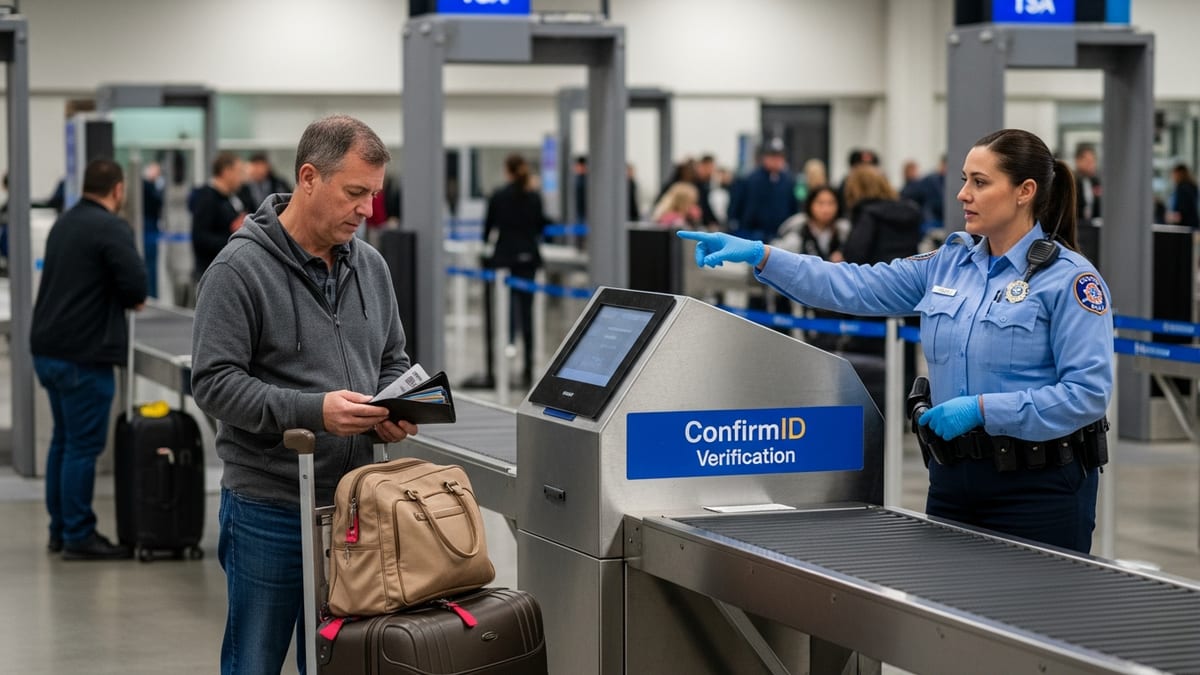
Reports from Australian media in April 2025 detailed how a traveller flying from Hong Kong to the United States was stopped on arrival, questioned for several hours, and ultimately placed on a return flight instead of being allowed to join a prepaid cruise holiday worth tens of thousands of dollars. The traveller, who had lived in the US previously and believed they understood the system, said they had double-checked their plans with ChatGPT and assumed they were compliant.
According to coverage of the case, the traveller had organised a complex itinerary, including a departure from Australia, a stopover in Asia and then onward travel to the US, where they intended to board a non-refundable cruise. ChatGPT had been used to confirm what type of travel authorisation was required and whether the routing through Hong Kong could raise any issues. The AI tool reportedly reassured them that their approach was acceptable.
When they arrived in the US, however, border staff took a different view. Instead of a routine entry, the traveller faced extended questioning and inspection of their previous immigration history. The outcome was a formal refusal of entry, cancellation of travel plans and the loss of a long-planned holiday, with the traveller later describing the experience as “traumatising” and vowing never again to rely on AI for critical immigration details.
The case has since circulated widely among Australian travel forums and social media, where it is often summed up by the warning: “Don’t make my mistake.”
Why AI keeps getting borders and visas wrong
Travel and technology specialists note that visa and border rules are among the most dynamic and context-dependent areas of information on the internet. Requirements can vary not only by nationality and destination, but also by a person’s travel history, employment, previous visas, criminal or immigration records, and even the particular airline or transit point chosen.
Large language models such as ChatGPT are designed to generate plausible text based on patterns in data rather than to provide authoritative, real-time legal advice. That means responses about whether someone can enter a country, what visa they need or whether a particular route is sensible may sound confident yet still be incomplete or wrong. In fast-changing environments like US entry rules, the system can also be out of date.
Publicly available commentary about the US case suggests that the traveller’s previous stay in America and the purpose of the new trip were key factors in the refusal. Those nuances are extremely difficult for a general-purpose AI to weigh accurately, particularly when it cannot access a person’s full immigration file or the internal risk assessments used at border checkpoints. Even minor discrepancies between what is declared on an application, what appears on supporting documents and what is said on arrival can trigger additional scrutiny.
Migration professionals and experienced travellers increasingly advise treating AI as a starting point only, useful for explaining terms or outlining high-level concepts but not as a substitute for consulting official government sources or accredited advisers. The Australian government’s Smartraveller service, for example, stresses that final decisions on entry always rest with the destination country and can be made on the day at the border.
The human cost of a digital assumption
Aside from the financial hit of missing a non-refundable cruise, reports indicate the Australian traveller endured significant stress and uncertainty. Being detained for questioning in a foreign airport, separated from luggage and devices for inspection, and ultimately escorted to a deportation flight is a confronting experience, particularly for someone with no criminal history who believed they had done everything correctly.
In online discussions sparked by the case, many Australian travellers expressed concern that even seemingly straightforward holidays to the US now carry higher perceived risk. Some said they were reconsidering travel to destinations where border checks are highly discretionary, fearing that a misunderstanding or previous online activity could derail a trip, regardless of the information provided by AI tools during planning.
The emotional impact also extends beyond the individual. Missed departures can disrupt the plans of friends and family waiting to travel together, as well as downstream bookings like tours and accommodation. Even where travel insurance is in place, policy documents often specify that decisions by immigration or border officials are not covered causes for reimbursement, leaving travellers out of pocket despite paying premiums.
The episode underscores that the stakes are very different when AI misguides someone on a restaurant choice compared with when it misstates the conditions of a visa waiver or the consequences of a previous overstay. The former may cost an evening; the latter can cost an entire holiday and potentially affect a person’s future ability to enter a country.
Growing calls for clearer AI disclaimers in travel planning
The incident has fueled a broader debate about how AI tools are marketed to travellers. In recent years, travel blogs, booking platforms and even some tourism campaigns have promoted AI trip planners as a quick way to design itineraries, find “hidden gems” and understand entry requirements. Critics argue that such messaging can blur the line between helpful inspiration and authoritative advice, especially for first-time international travellers.
Consumer advocates say there is a need for more prominent, plain-language warnings whenever AI-generated information touches on legal or regulatory matters such as visas, work rights, customs limits or health declarations. They argue that disclaimers should make clear that immigration decisions are ultimately personal and discretionary, and that AI cannot guarantee a particular outcome at the border.
Within the travel industry, some airlines and tour operators have begun reminding customers to check official government websites or consult registered migration agents for visa advice, particularly for complex itineraries involving multiple countries. Industry commentary increasingly highlights the risk that travellers will arrive with misplaced confidence after planning with AI, only to discover at the airport that a critical detail has been overlooked.
Advocates for responsible AI use in tourism also encourage platforms to build in prompts that nudge users towards government resources whenever visa or entry questions arise. Rather than providing definitive-sounding answers, systems could present general information while prominently directing users to check the latest rules with official sources.
How travellers can protect themselves in the AI era
Experienced travellers and migration experts point to several practical steps Australians can take to reduce the risk of a border shock. The first is to treat AI as a supplementary tool rather than a primary source. If ChatGPT or a similar system suggests that a particular visa type is suitable, that information should always be cross-checked against the destination’s official government website.
For higher-risk or more complex scenarios, such as previous long-term stays in a country, prior visa refusals or plans to work remotely while visiting, travellers are advised to seek personalised guidance from a qualified migration professional. That may involve additional cost, but it can be minor compared with the expense of a lost holiday or the long-term impact of a formal refusal of entry recorded in immigration systems.
Travellers are also encouraged to carry printed or easily accessible digital copies of key documents, including proof of onward travel, accommodation bookings, employment letters and evidence of ties to home such as property ownership or family commitments. While such documentation does not guarantee entry, it can help demonstrate genuine tourist intent if detailed questions arise.
Most importantly, experts stress that no AI system can override the discretion of border officers on the day. For Australians planning major overseas trips, the message emerging from the recent case is clear. Use AI to brainstorm destinations, packing lists or sightseeing routes, but when it comes to visas, work permissions and the fine print of border rules, the safest approach remains old-fashioned: read the official advice carefully, ask human specialists when in doubt, and never rely on a chatbot alone.