


More news on this day
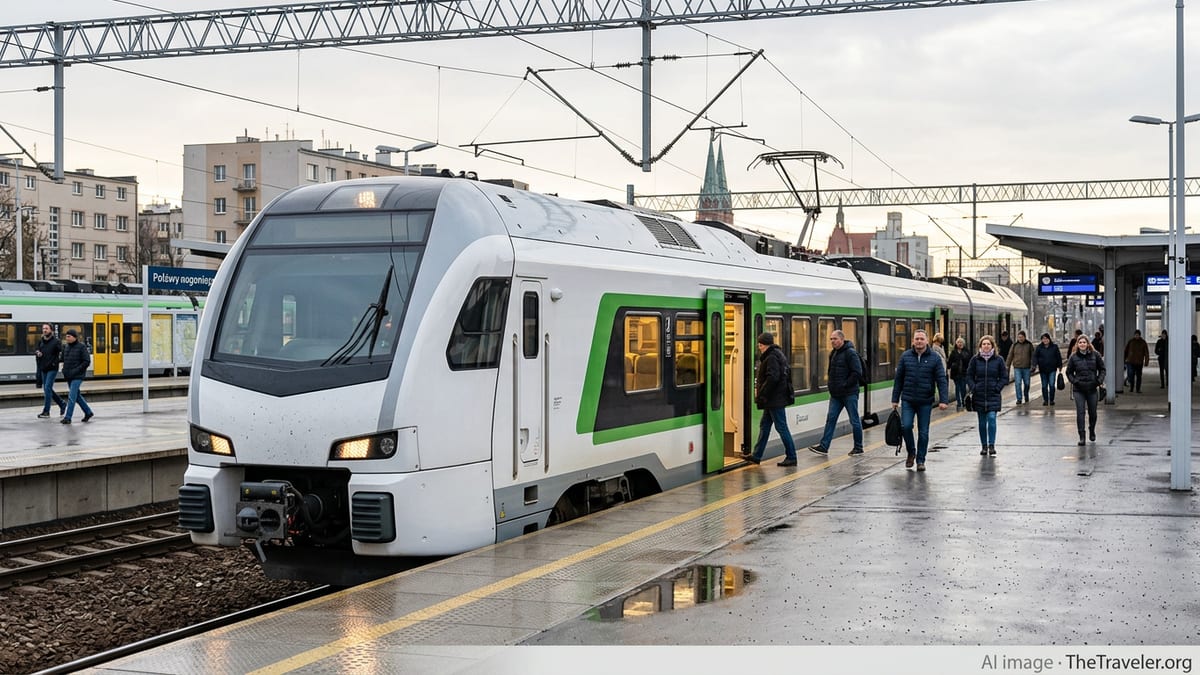
Lithuania’s passenger rail operator LTG Link has now received 12 of the 15 FLIRT multiple units ordered from Swiss manufacturer Stadler, marking a significant milestone in the country’s shift toward faster, quieter and more sustainable rail travel.
Get the latest news straight to your inbox!
A Major Fleet Renewal for LTG Link
The Stadler contract, signed in June 2023, covers 15 FLIRT trains designed for Lithuania’s broad-gauge network and harsh climatic conditions. Publicly available information indicates that the order is split between nine electric intercity units and six battery-electric trains intended for partially electrified routes. The arrival of 12 sets means most of the initial fleet is now on Lithuanian soil and progressing toward regular passenger service.
The FLIRT units form the backbone of LTG Link’s strategy to replace aging diesel rolling stock on key corridors. Reports indicate that the new trains are being prepared for deployment on some of the country’s busiest routes, where higher speeds and shorter dwell times are expected to improve timetable reliability and reduce journey times.
With deliveries advancing, attention is turning from procurement to integration. Testing, driver training and certification are being carried out in phases, allowing the operator to introduce new trains gradually while maintaining existing services. This staged approach is intended to minimise disruption as the fleet transitions to new technology and operating patterns.
Electric and Battery Trains for a Partially Electrified Network
A defining feature of the Lithuanian order is the mix of conventional electric units and battery-electric FLIRT trains. According to technical descriptions published by Stadler and referenced in sector coverage, the intercity units are five-car electric sets, while the regional battery trains use a four-car configuration with a dedicated power-pack section housing battery equipment.
The battery-equipped trains are designed to bridge gaps on lines that are only partly electrified, allowing continuous electric operation without relying on diesel traction. This approach is viewed in the industry as a cost-effective way to decarbonise services where full infrastructure electrification would be technically complex or slow to deliver.
Publicly available information on Lithuania’s rail network shows that a relatively small share of routes has overhead power, although major electrification projects are under way. The new fleet is therefore expected to complement infrastructure upgrades by enabling electric or battery operation on corridors where wires are not yet continuous, widening the range of low-emission services that can be offered to passengers.
Passenger Comfort, Accessibility and Onboard Features
The Lithuanian FLIRT trains follow a family design already in use across several European countries, but adapted to local requirements. Reports indicate that the intercity units have wide gangways, low-floor entrance areas for level boarding at compatible platforms and multi-purpose spaces for bicycles, strollers and luggage. These features are intended to improve accessibility and reduce boarding times at busy stations.
Interior layouts published in official materials show a mix of standard and comfort-class seating, power outlets and modern passenger information systems. Large windows, LED lighting and climate control are designed to create a brighter and more comfortable environment compared with much of the legacy diesel fleet they will replace.
Noise and vibration levels are also expected to be lower, particularly on the electric and battery segments of routes. For intercity passengers on long-distance journeys between major Lithuanian cities, the combination of higher speeds, more comfortable seating and quieter interiors is anticipated to make rail more competitive with road transport.
Supporting Lithuania’s Climate and Mobility Goals
Lithuania has framed the renewal of its passenger rail fleet as part of a broader transition to cleaner transport. Policy documents and sector analyses highlight a national objective to increase the share of journeys made by rail, particularly on medium-distance corridors where trains can offer an alternative to private cars and domestic flights.
The FLIRT order is aligned with these aims in several ways. Electric and battery-electric traction reduces direct emissions, while the improved performance of the new trains allows for tighter timetables and better connections. Higher reliability and comfort are expected to attract additional ridership, amplifying the emissions savings per passenger-kilometre as more travelers choose rail.
Industry observers also note that modern rolling stock can support more ambitious service concepts, such as clockface timetables and denser peak-hour frequencies. As the 12 delivered trains enter service and the remaining three units follow, LTG Link will have greater flexibility to redesign its network and respond to changing travel patterns.
Regional Context and Future Prospects
The arrival of Lithuania’s FLIRT trains places the country alongside several neighbours that have adopted the same platform. Operators in Estonia and other European markets have used FLIRT units for over a decade, and published commentary frequently points to the type’s track record in cold climates and on mixed-traffic networks similar to Lithuania’s.
For Stadler, the Lithuanian order represents a strategic foothold in the Baltic region. Company reports describe Lithuania as a new market for the FLIRT family, with framework options that could allow additional vehicles to be ordered in future. Any such follow-on orders would build on the operational experience gained from the first 15 units.
As of mid-2026, the focus for Lithuania is on bringing the 12 delivered trains into daily operation and completing delivery of the remaining three units. Sector coverage suggests that once the full fleet is in service, attention may shift to network-wide electrification progress and the potential expansion of battery-electric operations. For passengers, the most immediate impact will be visible on station platforms, where the new white-and-coloured FLIRT sets are gradually replacing older rolling stock on some of the country’s most important rail links.