


More news on this day
Unexpected clusters of flight cancellations and diversions at Austin–Bergstrom International Airport on June 5 have triggered widespread delays across Texas, snarling air travel plans and rippling through an already stretched regional aviation network.
Get the latest news straight to your inbox!
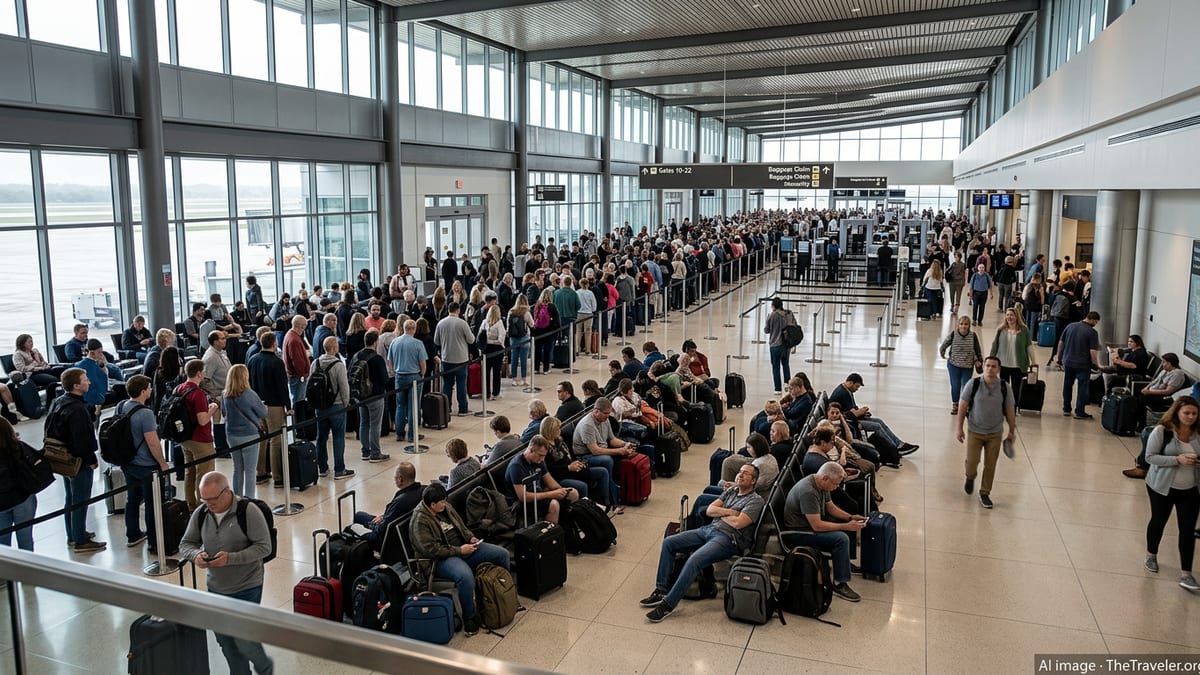
Rapid Spike in Cancellations at Austin Hub
Live tracking data on June 5 shows Austin–Bergstrom International Airport, the primary air gateway for Central Texas, coping with a sharp rise in canceled and heavily delayed departures, particularly during the evening peak. While the airport has not reported a full operational shutdown, a concentrated wave of schedule disruptions has effectively stranded hundreds of passengers in Austin and at connected hubs across the state.
Publicly available flight-status boards indicate that multiple services into and out of Austin from major Texas hubs, including Dallas Fort Worth and other in-state cities, have experienced rolling delays, missed departure slots, and short-notice cancellations. Some services that did depart have done so after significant time on the ground, compressing turnaround schedules and reducing available capacity for later rotations.
The timing of the cancellations has proved especially problematic. Many of the affected flights link Austin with large domestic connection points, meaning disruptions have cascaded beyond Texas as missed connections and rebookings accumulate across the national network.
Weather, Congestion and Network Strain Converge
Reports from aviation tracking platforms and passenger accounts suggest that severe weather systems in North Texas earlier in the week had already pushed regional operations close to their limits. Thunderstorms and adverse conditions around Dallas Fort Worth diverted a number of flights to Austin, increasing ramp and gate congestion and stretching available aircraft and crews.
Those earlier diversions left airlines with complex repositioning challenges for both planes and staff. As carriers worked to restore normal schedules, Austin’s evening bank of departures on June 5 was operating with less margin than usual, making the system more vulnerable to additional disruptions such as minor technical issues, crew time-limit constraints, or further localized weather changes.
Analysts note that Texas is in the midst of a busy travel period, with strong passenger demand layered on top of existing operational pressures. When several flights are canceled in quick succession at a high-volume airport like Austin, the impact can rapidly extend to cities across the state as aircraft rotations, crew assignments, and passenger itineraries become misaligned.
Statewide Travel Consequences for Texas Passengers
The disruptions at Austin are being felt well beyond the city’s immediate catchment area. Travelers attempting to connect through Austin to other Texas destinations are encountering missed onward flights, unexpected overnight stays, and long rebooking queues, particularly on high-demand routes linking major cities such as Dallas, Houston, and San Antonio via regional connections.
Regional airports that depend on predictable flows of connecting passengers and aircraft from Austin are also seeing the knock-on effects. When aircraft and crews fail to arrive on time, smaller markets can lose entire evening or early-morning departures, limiting options for residents and business travelers and compounding the sense of paralysis across the broader Texas air network.
Ground transport systems are beginning to feel the strain as well. With seats on remaining flights scarce and expensive at short notice, some passengers are turning to rental cars, intercity buses, and ride-hailing services to bridge gaps between Texas cities. This shift adds pressure to already busy highways and can extend door-to-door travel times by many hours compared with the original flight plans.
Why Austin’s Role Magnifies the Impact
Austin–Bergstrom has grown rapidly in recent years, handling record passenger volumes and expanding its roster of domestic and international routes. That growth has increased the airport’s importance as a connecting point within Texas and the broader central United States, but it has also left operations sensitive to periods of intense demand and tight scheduling.
Data published by the airport and independent aviation analytics firms highlight that several of Austin’s busiest routes link the city with other major Texas hubs. When cancellations hit those corridors, it is not only origin-and-destination travelers who are affected, but also large numbers of passengers using Austin as a transfer point for flights elsewhere in the country.
The current episode underscores how a localized wave of cancellations at one fast-growing airport can reverberate across an entire state. Even without a formal airspace closure or extended ground stop, the combination of full flights, limited spare capacity, and constrained staffing can make it difficult for airlines to recover quickly once the schedule begins to unravel.
What Travelers Can Expect in the Coming Days
Based on patterns seen in other recent disruption events, travel analysts expect residual delays and scattered cancellations from the Austin disruptions to persist for at least another 24 to 48 hours. Aircraft and crews must be repositioned, maintenance windows rescheduled, and displaced passengers rebooked, all while new flights continue to depart and arrive on packed schedules.
Airlines are likely to prioritize restoring core trunk routes serving major Texas cities and national hubs before adding back thinner regional services, which may leave smaller communities facing longer or more variable disruptions. Travelers holding tickets through Austin over the coming weekend are being urged by carriers and travel advisers to monitor flight status frequently and build extra time into connections.
For Texas, the latest wave of cancellations at Austin serves as another reminder of how fragile high-intensity air networks can be during peak demand periods. As the state heads deeper into the busy summer travel season, questions are likely to intensify over how airports and airlines can build more resilience into their operations to prevent localized problems from swiftly escalating into statewide travel chaos.