


More news on this day
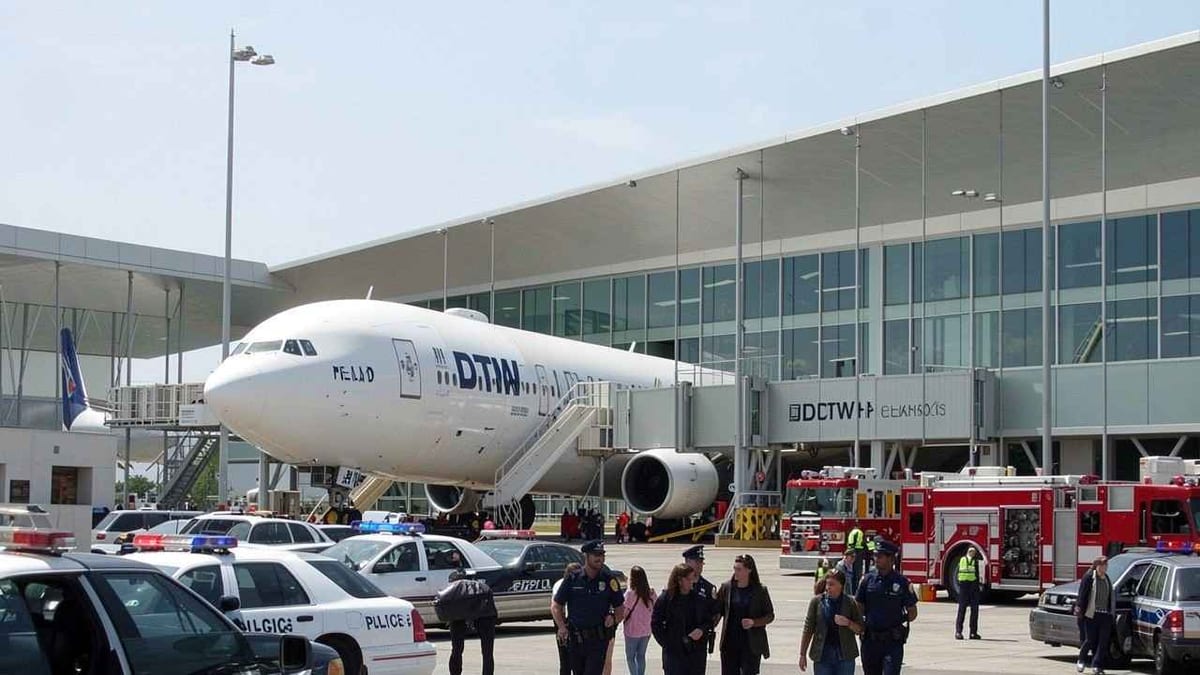
An Endeavor Air Delta Connection service operating as Flight EDV5404 from Milwaukee to New York John F. Kennedy International Airport diverted to Philadelphia, interrupting travel plans for passengers on one of the country’s busiest regional corridors and adding to a summer of weather and congestion related disruptions across the Northeast.
Get the latest news straight to your inbox!
Unscheduled Landing on a Key Midwest–Northeast Route
Publicly available flight tracking information indicates that the regional jet, flying under the Endeavor Air banner for Delta Connection, departed Milwaukee on its scheduled nonstop route to New York JFK before altering course and landing at Philadelphia International Airport. The diversion placed the aircraft roughly 90 miles southwest of its intended New York destination, reflecting the complex air traffic and weather conditions that often affect the New York metropolitan airspace in peak summer months.
Data from flight tracking platforms shows that the aircraft’s initial portion of the journey followed its expected routing over the Great Lakes region before the crew initiated the deviation toward Philadelphia. While specific operational details for EDV5404 have not been published, diversions of this kind typically arise from a combination of weather, traffic management initiatives, or operational considerations at the original destination.
Philadelphia’s role as an alternate landing point underscores its function as a pressure valve for the constrained New York airspace. The airport often receives diverted flights when arrivals into JFK, LaGuardia, or Newark face holding patterns or ground stops due to thunderstorms, runway congestion, or other capacity limitations.
Passenger Rebooking and Knock-on Disruptions
Following the diversion, passengers were expected to be rebooked onto later services into New York or other nearby airports, in line with standard re-accommodation practices followed by major carriers and their regional partners. According to typical rebooking options described in current airline travel advisories, travelers on affected flights are often moved to the next available service in the same cabin, sometimes with fare differences waived when disruptions are linked to broader operational events.
Although EDV5404 represents a single flight, diversions frequently ripple through an airline’s schedule. Regional jets such as those flown by Endeavor Air commonly operate multiple legs per day, meaning an unscheduled stop in Philadelphia can affect later departures assigned to the same aircraft and crew. For some travelers, this may translate into missed connections or overnight delays, particularly if the diversion occurs late in the operating day when spare aircraft and crews are limited.
Recent customer accounts shared on aviation and airline discussion forums describe similar experiences with diversions resulting in tight connections, last-minute hotel searches, and rebooked itineraries that push arrivals into the following day. These anecdotes mirror a broader pattern in which a single airborne change of plan cascades across connecting hubs and partner airlines.
Weather, Congestion and Airspace Constraints in the Northeast
The diversion of EDV5404 comes amid a stretch of active summer weather and heavy traffic across New York area airports. Current weather advisories and operational updates outline periodic thunderstorms and capacity reductions that prompt airlines serving JFK to adjust their schedules, impose ground delay programs, or rely more heavily on alternates such as Philadelphia and Boston.
Research into U.S. air travel patterns has documented how peak-season congestion, combined with convective weather, can sharply reduce the number of arrivals per hour at major hubs, forcing carriers to hold aircraft in the air or divert to secondary airports. These operational constraints are particularly pronounced in the tightly packed Northeast corridor, where multiple major hubs share overlapping airspace and where relatively small disturbances can propagate quickly through the system.
For airlines like Delta and its regional partner Endeavor Air, the combination of high passenger demand and limited airspace flexibility means that marginal disruptions can lead to significant schedule reshuffling. Diversions such as the Milwaukee to JFK service that ended in Philadelphia reflect the balancing act between keeping aircraft safely separated, preserving fuel reserves, and bringing passengers to an airport with adequate ground handling and onward options.
Endeavor Air’s Role in Delta’s Regional Network
Endeavor Air operates as one of Delta’s primary regional affiliates, flying under the Delta Connection brand on routes that feed traffic into major hubs including New York JFK, LaGuardia, Detroit, and Minneapolis. Company profiles and historical records note that Endeavor, a wholly owned subsidiary of Delta, focuses on short and medium-haul routes using regional jets, connecting smaller and mid-sized cities to the larger network.
In the dense corridor between the Midwest and the New York metropolitan area, regional jets are a mainstay, providing multiple daily frequencies on routes where mainline narrow-body aircraft would be less flexible. This structure gives the network resilience and schedule variety but can also expose travelers to a higher number of handoffs among aircraft and crews, magnifying the impact of a single diversion or delay.
Regulatory reports from the U.S. Department of Transportation highlight that regional affiliates, including Endeavor-operated Delta Connection flights, are frequently involved in late arrivals, missed connection chains, and tarmac delays when large weather systems or congestion events strike major hubs. While these events typically resolve safely, they underscore the operational complexity of managing dozens of small jets through constrained airspace windows into airports like JFK.
What Travelers Can Learn From the EDV5404 Diversion
For passengers, the experience of EDV5404 offers several practical takeaways for navigating peak-season air travel. Industry guidance and travel expert commentary often stress the value of building generous connection times when flying through congested hubs, particularly in the late afternoon and evening hours when thunderstorms and cumulative delays are most likely.
Travelers are also encouraged to monitor flight status through airline apps and sign up for notifications that provide real-time updates on gate changes, departure pushes, and diversions. When a flight diverts, swift awareness of the new arrival airport can help passengers coordinate alternative ground transportation or proactively request rebooking options, rather than waiting in long service queues.
The diversion of a regional flight from Milwaukee to New York JFK into Philadelphia is, in many respects, a routine outcome of modern hub-and-spoke aviation: disruptive to those on board, but part of the broader effort to keep the system moving in the face of weather, congestion, and infrastructure constraints. As the busy summer travel period continues, similar reroutings are likely to remain a feature of flying into the nation’s crowded Northeastern skies.