


More news on this day
Travel disruption has hit Nigeria’s build-up to the Women’s Africa Cup of Nations, with a cancelled transatlantic flight delaying midfielder Deborah Abiodun and forward Gift Monday from joining the Super Falcons’ training camp in Morocco.
Get the latest news straight to your inbox!
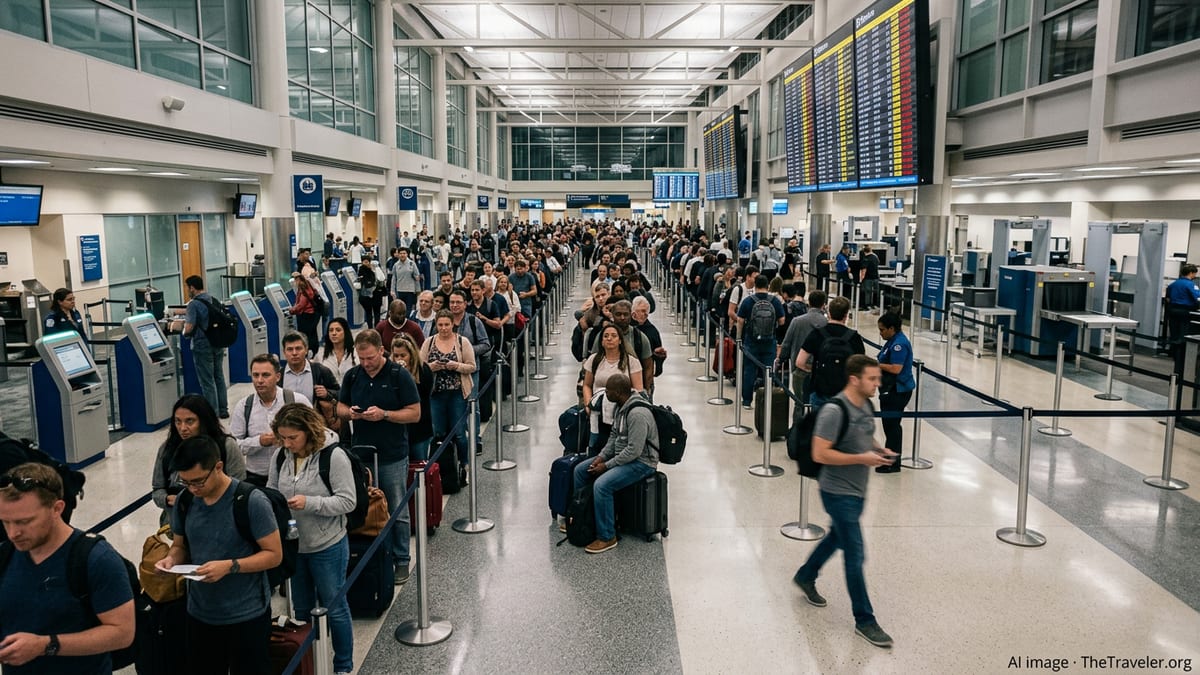
Cancelled Flight Disrupts Super Falcons Travel Plans
According to information published by the Nigeria Football Federation, Abiodun and Monday were due to fly from the United States to link up with the national team camp ahead of the 14th Women’s Africa Cup of Nations in Morocco. On arrival at the airport, they learned that their flight had been cancelled for technical reasons, leaving both players temporarily stranded and off schedule.
Publicly available details indicate that officials had to secure fresh tickets at short notice to keep the players’ preparations on track. The revised travel arrangements meant the duo missed the initial window for full-team sessions at the Super Falcons’ base in Casablanca, where most of the squad had already settled in for pre-tournament training.
The disruption underscores how even elite athletes moving between continents remain vulnerable to last-minute changes in commercial air travel. For Nigeria, the immediate concern centered on getting the two United States–based players into camp as quickly as possible without further setbacks.
Camp Numbers Grow Despite Late Arrivals
Reports from the team camp in Casablanca indicate that the Super Falcons’ playing group swelled to 23 with the arrival of forward Folashade Ijamilusi from China, even as Abiodun and Monday worked through their rescheduled itineraries. The gradual buildup of players has been a feature of Nigeria’s preparation period, with individuals joining from clubs in Europe, Asia and North America on different timetables.
Training sessions at a local facility in Casablanca have continued while the remaining players complete their journeys. The coaching staff are understood to be focusing on conditioning and tactical cohesion, aiming to blend returning tournament regulars with newer faces pushing for starting roles at this edition of WAFCON.
Although the brief delay for Abiodun and Monday did not derail the overall camp, it trimmed their time for on-field integration before the squad moves to Rabat, where Nigeria will play its group matches. For a team targeting another continental title, every training day is regarded as valuable.
Rising Stakes as Nigeria Targets Another WAFCON Title
Nigeria enters the tournament as a record ten-time champion and defending holder of the Women’s Africa Cup of Nations. The current campaign in Morocco is viewed as a key marker of the team’s standing on the continent, particularly after recent global tournaments raised expectations around African women’s football.
The Super Falcons are set to face Malawi, Egypt and Zambia in the group phase, with the schedule concentrated in Morocco’s administrative capital, Rabat. The side’s opening match against Malawi is expected to set the tone for the rest of the campaign, making uninterrupted preparation and timely player arrivals especially important.
Abiodun and Monday are both considered important depth options for Nigeria. Abiodun offers energy and ball-winning ability in midfield, while Monday adds attacking variation on the flanks and as a support forward. Their slightly reduced preparation window places added emphasis on making the most of the remaining sessions in camp once fully integrated with the squad.
Flight Disruptions Highlight Ongoing Travel Vulnerabilities
The delay surrounding Monday and Abiodun is the latest reminder of how air travel uncertainties can affect elite sporting schedules. Across global football, last-minute cancellations, diversions and long layovers have periodically disrupted national teams and clubs, especially when players assemble from multiple continents on tight timetables.
In this case, the cancellation of the original transatlantic service required immediate rebooking, additional expenditure and rapid logistical adjustments. While high-level teams often build contingency into their itineraries, such changes can still compress recovery time after long-haul flights and reduce tactical preparation periods ahead of major competitions.
Observers note that women’s national teams, particularly in Africa, can be more exposed to travel volatility because they often rely on complex commercial flight connections rather than chartered services. Any disruption on a long route can cascade into missed links and shortened camp stays, as Nigeria’s experience with Monday and Abiodun illustrates.
Focus Shifts Back to the Pitch in Morocco
With replacement tickets secured and arrival in camp reported after the initial setback, attention within the Nigerian setup is now turning firmly back to on-pitch matters. Training in Casablanca is expected to continue until the move to Rabat, where final tactical work and match-specific preparations will take place.
The brief travel scare has nonetheless underlined the fine margins surrounding major tournaments. For the players involved, clearing immigration, adjusting to a new time zone and quickly rejoining group activities will be essential steps toward contributing effectively once competitive action begins.
For traveling supporters and neutral observers, the episode offers a window into the complex logistics behind a continental championship. While the Super Falcons seek yet another WAFCON crown, their route to Morocco has shown that even at the highest level of women’s football, smooth travel remains a critical and sometimes fragile part of the journey.