


More news on this day
Australia has tightened its travel advisory for South Africa, joining the United States, United Kingdom, Canada and New Zealand in spotlighting serious concerns over violent crime, carjacking, airport robbery and smash and grab incidents that are increasingly shaping international perceptions of the popular safari and city break destination.
Get the latest news straight to your inbox!
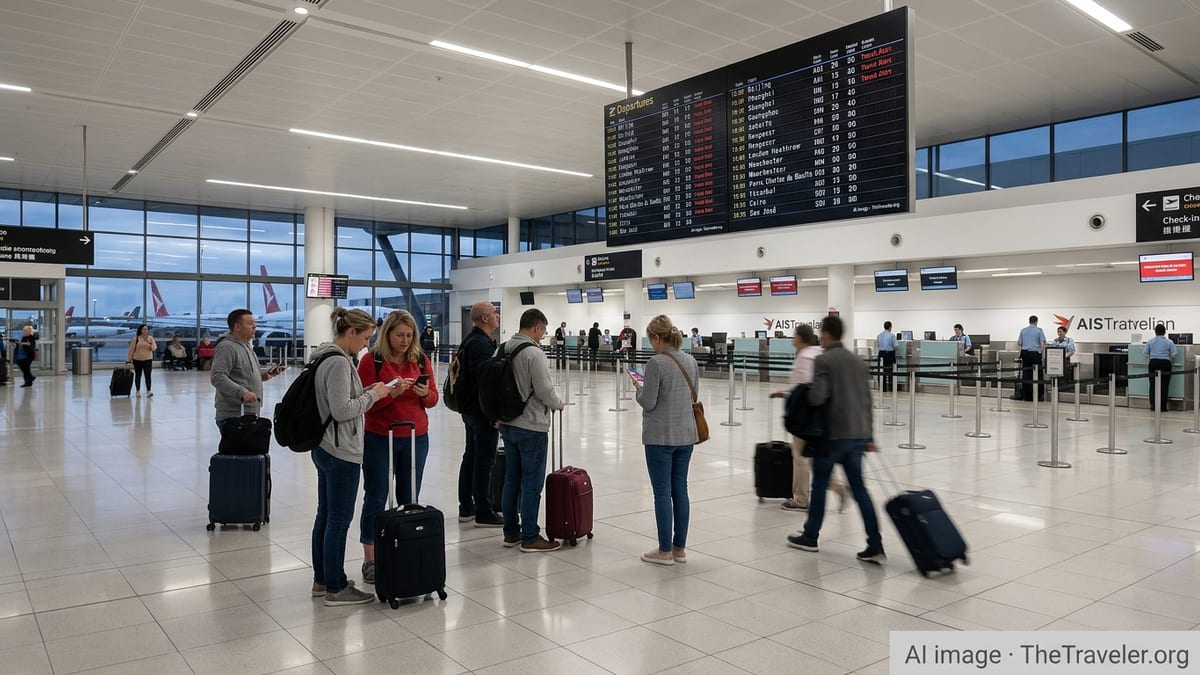
Australia Sharpens Smartraveller Warning On Crime And Violence
Recent updates on Australia’s Smartraveller platform place South Africa among the country’s higher risk long haul destinations, with language that underscores what it describes as serious levels of crime and violence affecting both residents and visitors. The advisory highlights threats such as murder, rape, armed robbery and carjacking, and notes that incidents can occur in urban centres, townships and areas frequented by tourists.
The Australian guidance stresses that road users are particularly exposed, citing incidents where drivers have been targeted at intersections, in slow moving traffic and when entering or leaving residential properties. Travellers are urged to keep car doors locked and windows closed, avoid displaying valuables, and remain alert to the possibility of opportunistic robbery, including during daytime journeys.
Airport related crime features prominently. The advisory points to cases in which passengers leaving major airports have been followed and robbed, sometimes at gunpoint, after collecting luggage or rental cars. This reflects growing concern among several governments that journeys to and from South African airports can pose elevated risks if travellers are not prepared and do not use vetted transport providers.
Australian officials have also drawn attention to the cumulative impact of these safety issues on trip planning. The updated language encourages travellers to review insurance cover carefully, consider how criminal activity could disrupt itineraries and factor in the possibility of delays when moving between airports, hotels and tourist attractions, particularly after dark.
United States Maintains Level 2 Advisory Citing Crime And Unrest
The United States continues to list South Africa at Level 2 on its four tier travel advisory scale, urging travellers to exercise increased caution due to crime, unrest, kidnapping risk and terrorism. Publicly available information from the State Department indicates that violent and opportunistic crime remains widespread, with armed robbery, assault, break ins and carjacking all highlighted as concerns for visitors.
The advisory draws attention to incidents affecting travellers in and around major cities such as Johannesburg, Pretoria, Durban and Cape Town, where popular business and leisure districts sit close to high crime areas. Visitors are encouraged to avoid walking alone after dark, maintain a low profile in public spaces and keep valuables secure or out of sight, particularly when using mobile phones or cameras on the street.
Guidance from the United States also warns that some protests and labour related gatherings can turn confrontational, occasionally leading to road closures, damage to property and clashes with security forces. While such events are not usually directed at foreign nationals, they can severely disrupt transport and increase the risk of being caught in the wrong place at the wrong time if travellers are not monitoring local developments.
Travel planners and corporate security teams are increasingly weighing these factors when evaluating South Africa for conferences, incentive trips and corporate meetings. The combination of persistent crime and periodic unrest has prompted some organisations to introduce stricter pre travel briefings and to require travellers to use pre booked, vetted transport rather than hailing taxis or other services on arrival.
UK, Canada And New Zealand Highlight Smash And Grab And Carjacking Risks
In the United Kingdom, the Foreign, Commonwealth and Development Office continues to flag a high level of crime in South Africa, with updated safety and security pages stressing that muggings, armed robbery, carjacking and other violent incidents can occur in both tourist areas and more remote locations. Recent changes to the online advice have refined guidance on airport routes, e hailing services and the political situation, reflecting an effort to provide more granular information to British travellers.
British guidance singles out vehicle related crime as a recurring issue, noting that criminals sometimes target cars stopped at traffic lights or junctions, breaking windows in so called smash and grab attacks to seize bags, laptops or phones from seats. Travellers are advised to keep bags in the boot, avoid leaving items on passenger seats and remain cautious when slowing for apparent obstructions in the road that could be used to force a stop.
Canada’s official travel advisory likewise urges visitors to exercise a high degree of caution in South Africa due to what it describes as a significant level of serious crime. The Canadian government’s safety and security section points to violent crime, armed robbery, home invasion and carjacking as persistent threats, while also referencing theft from parked vehicles and incidents affecting tourists on main roads and near attractions.
New Zealand’s travel advisory framework generally mirrors that of its traditional partners, and its guidance on South Africa similarly underscores the risks associated with violent crime and vehicle related incidents. Travellers from New Zealand are encouraged to pay close attention to local conditions and to remain alert in areas around airports, tourist hubs and major highway corridors.
Airports, Highways And City Gateways Under Intensified Scrutiny
One of the most striking themes across the recent wave of advisories is the focus on how and where travellers move within South Africa. Several governments now explicitly warn about journeys to and from international airports, citing reported cases of tourists being followed from terminals and robbed once they reach accommodation or quieter roads. This is driving greater emphasis on using reputable transfer companies, hotel shuttles and pre arranged drivers rather than informal or unregistered options.
Highways and arterial routes into major cities are also frequently mentioned in advisories. On some approaches to Cape Town and Johannesburg, for example, travellers have been warned about the risk of staged breakdowns or obstacles designed to force vehicles to stop, creating an opportunity for robbery or carjacking. Foreign visitors unfamiliar with local driving patterns can be especially vulnerable in these situations, particularly at night or when travelling alone.
Smash and grab incidents at intersections, on off ramps and near township turnoffs continue to feature in both official guidance and local safety campaigns. Advisories consistently recommend that drivers leave a safe distance to the vehicle in front, keep windows closed where practical and remain wary of individuals approaching cars to sell goods or clean windscreens in areas known for crime.
These heightened concerns have knock on effects for the broader visitor experience. Some tour operators report adjusting routes and schedules to avoid specific stretches of road after dark, while hotels and guesthouses in key corridors are strengthening their own security measures and offering more detailed arrival briefings to guests.
Tourism Recovery Meets Mounting Safety Concerns
The tightening of advisories from Australia, North America and Europe comes as South Africa continues to rebuild its tourism economy, with international arrivals gradually climbing toward pre pandemic levels. Airlines have restored capacity on key long haul routes and safari lodges, wine estates and coastal resorts report growing demand from traditional markets.
Industry observers note, however, that the latest wave of crime focused guidance could complicate that recovery if potential visitors interpret the alerts as blanket warnings rather than calls for informed caution. Travel planning data suggests that while many seasoned travellers continue to include South Africa in their itineraries, some first time visitors are now weighing alternative destinations perceived as lower risk.
South African tourism bodies regularly emphasise the country’s efforts to improve visitor safety, from targeted policing operations in popular precincts to collaborative campaigns with the hospitality and transport sectors. Public statements from national and provincial authorities also stress that millions of trips are completed each year without incident, pointing to the importance of perspective when reading international advisories.
For now, the convergence of stronger warnings from Australia, the United States, the United Kingdom, Canada and New Zealand signals a clear expectation that travellers adopt a higher level of situational awareness. As South Africa seeks to balance its reputation for world class landscapes, wildlife and culture with the realities of crime and security, informed risk management is becoming an increasingly central part of the long haul travel conversation.