


More news on this day
Uruguay’s final approach to its 2026 World Cup opener has been disrupted by a plane paperwork issue that delayed the team’s departure for Miami, underscoring the mounting logistical strains surrounding this expanded tournament across North America.
Get the latest news straight to your inbox!
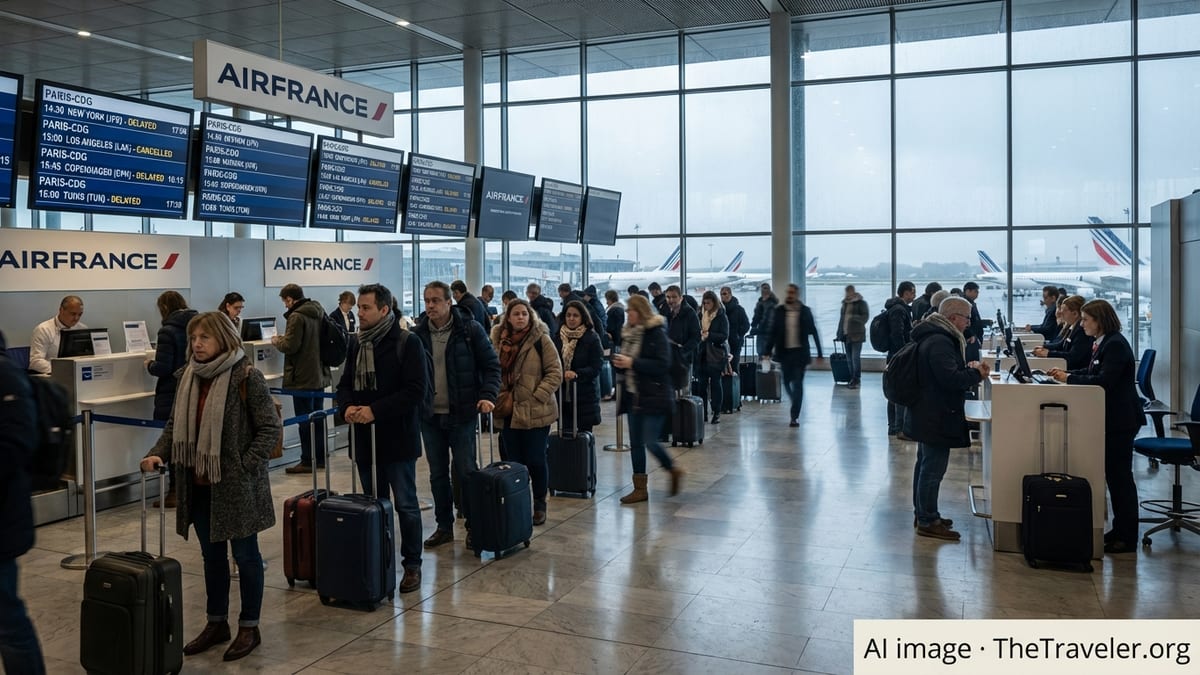
Paperwork snag leaves La Celeste waiting on the tarmac
Reports from international and Latin American media indicate that Uruguay’s national team was forced to postpone its planned trip from Mexico to the United States after the aircraft due to carry the squad did not have the complete documentation required to enter U.S. airspace. The charter flight, which was scheduled to take the team from its training base in Playa del Carmen to Miami, was delayed for several hours while officials worked to resolve the problem.
Coverage from outlets following the team’s camp describes a standstill in Cancún as the plane’s permits and authorisations linked to FIFA’s World Cup travel framework were not cleared in time for the original takeoff window. Publicly available information indicates that the issue was tied to flight permits and paperwork for the specific aircraft rather than immigration problems for players or staff.
Uruguay eventually adjusted its travel plans, securing a later departure and arriving in South Florida on Sunday evening, one day before its Group H opener against Saudi Arabia. The delay shortened the team’s preparation time on site in the host city and forced changes to its planned schedule of meetings, recovery work and media activities.
The episode added an unwelcome layer of uncertainty to the final hours before a major tournament kickoff, especially for a side widely regarded as a contender to reach the latter stages of the competition.
FIFA procedures and tight timelines under scrutiny
Accounts from Reuters and regional sports media point to the paperwork bottleneck as part of a wider, complex approval process for World Cup travel involving FIFA, local aviation authorities and charter operators. With the competition spanning three host countries and dozens of venues, teams are relying on a dense web of flight permissions, slots and security clearances for every cross-border movement.
Publicly available information suggests that the documentation problem related to permits FIFA requires to process and validate certain team flights before they enter the United States. In Uruguay’s case, those documents were reportedly not ready when the team was due to leave, leaving players and staff waiting at the airport while arrangements were updated.
The situation illustrates how little margin for error exists once tournament timetables are fixed. Teams are operating on tightly planned windows for training, travel and mandatory events, and even a few hours of delay can compress rest periods and disrupt physical preparation cycles. Analysts following the squad noted that Uruguay’s arrival in Miami came close to the latest acceptable timeframe set out in its internal planning.
Observers also highlight that, in an era of heightened aviation and border security, host nations and tournament organisers are unlikely to bend regulations to accommodate last-minute paperwork issues, even for elite national teams. That leaves federations, airlines and charter providers with the responsibility to anticipate and clear every procedural hurdle well in advance.
Players adapt as preparation plans are reshuffled
While Uruguay ultimately reached Miami in time for its match, the travel disruption required adjustments on the sporting side. Training ground walkthroughs scheduled after arrival were compressed or reshaped, according to coverage from outlets following the team, and some media-facing commitments were postponed in favour of rest and recovery.
Fitness coaches and performance staff across top-level football have long emphasised the importance of stable routines in the 24 to 48 hours before competition. Late-night arrivals, altered meal schedules and additional time spent sitting in airports or on planes can have subtle effects on players’ readiness, particularly in a tournament where matches come in rapid succession.
Uruguay’s squad, however, is no stranger to adversity in World Cup settings. Commentators in Montevideo-based media noted that the group includes experienced figures accustomed to long-haul travel from European clubs and previous major tournaments. The emphasis, they argued, would be on quickly drawing a line under the disruption and focusing on tactical preparation for Saudi Arabia.
Coaching staff are expected to keep training loads light following the delayed arrival, concentrating on short tactical sessions and recovery protocols tailored to minimise any impact from the interrupted travel day.
Travel headaches echo previous World Cup concerns
The paperwork snag recalls earlier episodes in Uruguay’s World Cup history, including a widely shared social media reference to a delayed team charter before a match at the 2010 tournament in South Africa. The latest incident has revived questions in Uruguayan and international coverage about whether the national team has been particularly unlucky when it comes to major-event logistics.
More broadly, the delay feeds into a growing narrative around the travel demands of the 2026 World Cup. The competition’s format, with 48 teams spread across extensive distances in the United States, Mexico and Canada, requires more flights, more border crossings and more coordination than any previous men’s World Cup. Observers had already warned that travel would be one of the defining off-field challenges of this edition.
Travel planners and public agencies in the host nations have been publishing guidance for teams and supporters, highlighting the potential for congestion at airports, weather-related disruptions and the need for robust contingency planning. Uruguay’s experience in Cancún is now being cited in analysis pieces as an early example of how even well-resourced delegations can face unexpected complications.
The episode is also likely to reinforce the importance of staggered arrivals and backup arrangements, from secondary aircraft options to flexible hotel check-in plans, as federations try to protect their sporting preparation from external shocks.
Implications for teams and fans navigating North America
For other national teams, Uruguay’s disruption is a reminder that travel risk at this World Cup is not limited to long-haul journeys at the start of the tournament. In a competition marked by frequent internal flights, any leg of the journey can be affected by documentation checks, slot availability or sudden changes to operational rules.
Teams are expected to respond by building extra buffers into their schedules, even if that means arriving earlier in host cities or increasing players’ time away from training bases. Analysts note that this approach may be especially important for sides with group-stage matches in different countries, where additional cross-border paperwork is required.
Supporters, too, are facing a more complicated travel landscape. Advisory documents from public-health and civil-rights organisations have already highlighted the need for fans to plan additional time for airport security, immigration procedures and potential delays when transiting within the United States and between co-host nations. Uruguay’s experience offers a high-profile illustration of how quickly a seemingly routine flight can become a logistical challenge.
As the group stage unfolds, travel patterns around the World Cup will remain under close observation. Analysts expect organisers, airlines and national associations to study cases like Uruguay’s closely, both to refine procedures during this tournament and to draw lessons for future multi-country events.