


More news on this day
Australia has eased its travel warning for several Gulf states, opening the door for a resurgence of flights via Middle Eastern hubs and offering airlines such as Emirates, Qatar Airways and Etihad a clearer path back into the lucrative Australia to Europe market.
Get the latest news straight to your inbox!
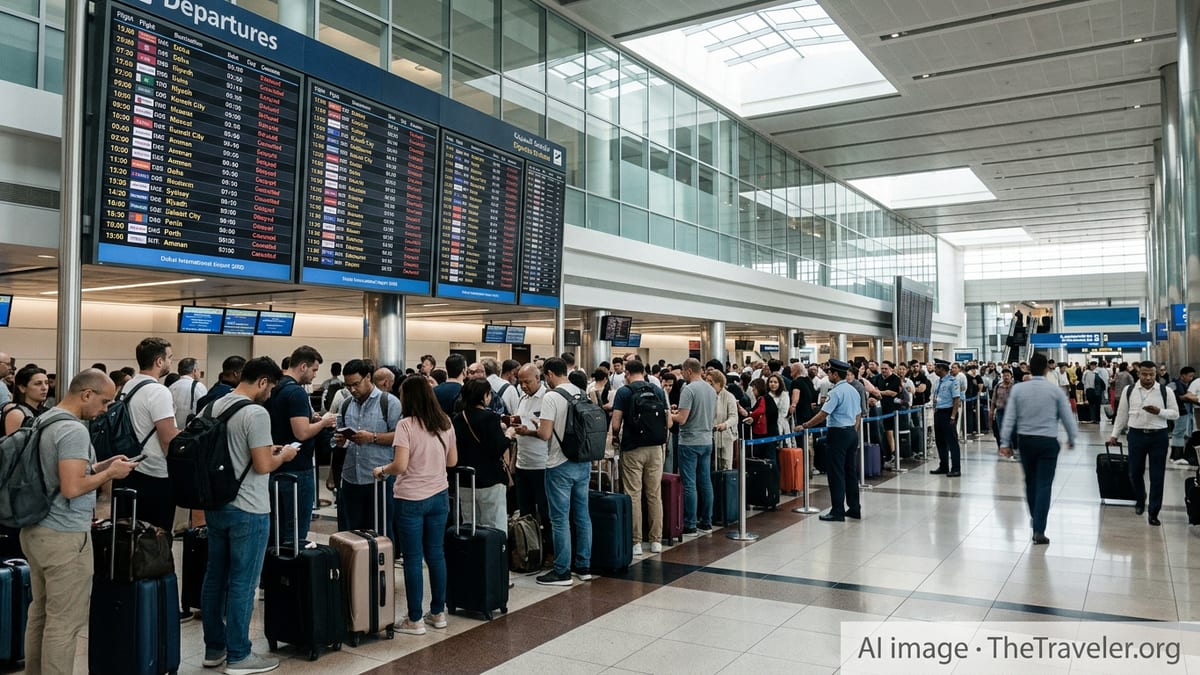
From ‘Do Not Travel’ To ‘Reconsider’ In Key Gulf Markets
Publicly available government advisories indicate that Australia has shifted its guidance for a group of Gulf destinations from the highest “Do not travel” level to the lower “Reconsider your need to travel” category. The adjustment applies to major transit hubs including the United Arab Emirates, Qatar and Bahrain, which together handle a large share of long-haul traffic between Australia, Europe and parts of Africa and the Middle East.
The move marks the first meaningful softening of Canberra’s posture toward the region since a sharp escalation in conflict involving Iran led to widespread airspace closures, mass cancellations and tens of thousands of travelers stranded across Gulf airports earlier this year. While the advisory still urges caution, the downgrade removes a significant policy barrier that had complicated insurance coverage, airline scheduling and consumer confidence.
Travel-industry commentary notes that the change is closely tied to a fragile ceasefire environment rather than a wholesale transformation in regional security conditions. Advisories continue to stress that the situation could deteriorate with limited warning, and that higher-risk destinations such as Iran, Iraq, Syria and Yemen remain under the strongest warnings.
Even with caveats, the updated guidance represents a symbolic green light for carriers to rebuild capacity and for travelers to again consider Gulf routings that had been largely off the table for many Australians in recent months.
Gulf Hubs Regain Ground After Months Of Disruption
The adjustment in Australian travel advice comes as Gulf aviation hubs are gradually emerging from one of the most turbulent periods in their recent history. Industry reporting shows that major carriers based in Dubai, Doha and Abu Dhabi have been restoring frequencies and reopening routes as airspace restrictions ease and demand returns.
Traffic data and airline schedules indicate that flights through the Gulf are trending back toward pre-conflict levels on several key corridors linking Europe and Asia, even as some non-Middle Eastern airlines continue to route around the region. Aviation analyses describe the recovery as uneven but gathering pace, with Gulf airlines leveraging modern fleets and deep networks to recapture market share lost during the height of the crisis.
For Australian travelers, the practical impact is the reappearance of multiple one-stop options to European gateways via Dubai and Doha, once the default path for many long-haul itineraries. The restoration of these connections is particularly significant for secondary European cities that are harder to reach nonstop from Australia and often depend on Gulf carriers for viable itineraries.
Analysts point out that the competitive pressure created by Middle Eastern carriers historically helped hold down fares and expand capacity during peak northern summer periods. The gradual return of those forces, supported by a friendlier advisory environment from Canberra, is expected to ripple across pricing and seat availability in the coming seasons.
Australian Carriers And Partners Adjust Their Strategies
Australia’s policy shift interacts with a broader realignment among local and partner airlines that had already begun redirecting traffic away from the Middle East. During the most acute phase of the conflict, Australian travelers increasingly routed via Asian hubs such as Singapore, Bangkok and Hong Kong, assisted by additional capacity from regional airlines and re-timed services from Qantas and its partners.
With the Gulf now moving back into play, carriers face a more complex competitive landscape. Airlines aligned with Middle Eastern partners, including codeshare arrangements via Dubai and Doha, are expected to take advantage of the relaxed advice to rebuild cooperative networks and recover connecting traffic that had been lost to Asian rivals.
At the same time, companies that invested heavily in alternative routings over recent months are unlikely to abandon those strategies quickly. Industry observers suggest that capacity through Asia, already benefiting from strong outbound Australian demand and a more favorable currency environment, will remain a central pillar of the market even as Gulf connections return.
For airports such as Melbourne and Sydney, the combination of restored Gulf links and sustained Asian growth could translate into a more diversified long-haul portfolio, with multiple one-stop options to Europe coexisting instead of a single dominant corridor.
Insurance, Pricing And Confidence For Australian Travelers
The downgrade in risk advice is also expected to have important knock-on effects for travel insurance and consumer sentiment. Policy documents from major Australian insurers generally reference government travel advisories when defining coverage, and the highest “Do not travel” designation had led to exclusions or limited benefits for trips routed through some Gulf states.
With the advisory level now lowered for key hubs, many Australians booking itineraries via Dubai, Doha or other Gulf cities may find it easier to secure comprehensive cover, though restrictions linked to war or civil unrest often still apply. Travel specialists continue to encourage customers to read product disclosure statements closely, as wording can differ significantly between insurers and may treat transit, stopovers and land stays in distinct ways.
Fare dynamics are another area to watch. Reports of Gulf airlines offering promotional pricing to entice travelers back, combined with additional capacity being restored on trunk routes, suggest that competition on Australia to Europe tickets could intensify. That may provide some relief after a period of elevated fares, driven by reroutings and reduced seat supply during the peak of the Middle East disruption.
Consumer confidence, however, is likely to lag behind policy changes. Online forums and travel community discussions indicate that many Australians remain cautious about flying through conflict-adjacent airspace, even when official advice is softened. For some passengers, especially families and older travelers, the perceived safety of Asian or North American transit points will continue to outweigh any price advantage offered by Gulf carriers.
Short-Term Window Or Start Of A Longer Reset?
A key question for airlines and passengers alike is whether Australia’s relaxed Gulf travel advice represents a durable reset or a temporary opening dependent on a still-fragile security environment. Commentaries referencing the latest advisory updates highlight that authorities intend to review the situation regularly, and that any major flare-up in regional tensions could trigger another rapid tightening of travel guidance.
For Middle Eastern airlines, this creates a strategic challenge. Rebuilding capacity and marketing aggressively into Australia involves significant costs, and carriers must balance the opportunity against the risk that routes could again be disrupted by shifting geopolitics. Some analysts expect a measured return, with frequencies and destinations added back in phases rather than an immediate surge to previous levels.
From the Australian traveler’s perspective, the current period may offer a window of relatively broad choice, combining restored Gulf routings with robust alternatives through Asia and other regions. How long that window remains open will depend on factors that extend well beyond aviation, including diplomatic efforts to stabilize the Gulf and the willingness of governments to keep air corridors open even in periods of tension.
As the northern summer peak approaches, booking patterns over the coming weeks will provide an early indication of how quickly Australians are prepared to embrace the Gulf again. The answer will shape not only airline schedules, but also the balance of power between Middle Eastern and Asian hubs on one of the world’s most competitive long-haul markets.