


More news on this day
Australia has eased some of its strictest Middle East travel advisories, downgrading warnings for several Gulf destinations following an interim agreement between the United States and Iran that aims to halt the regional conflict.
Get the latest news straight to your inbox!
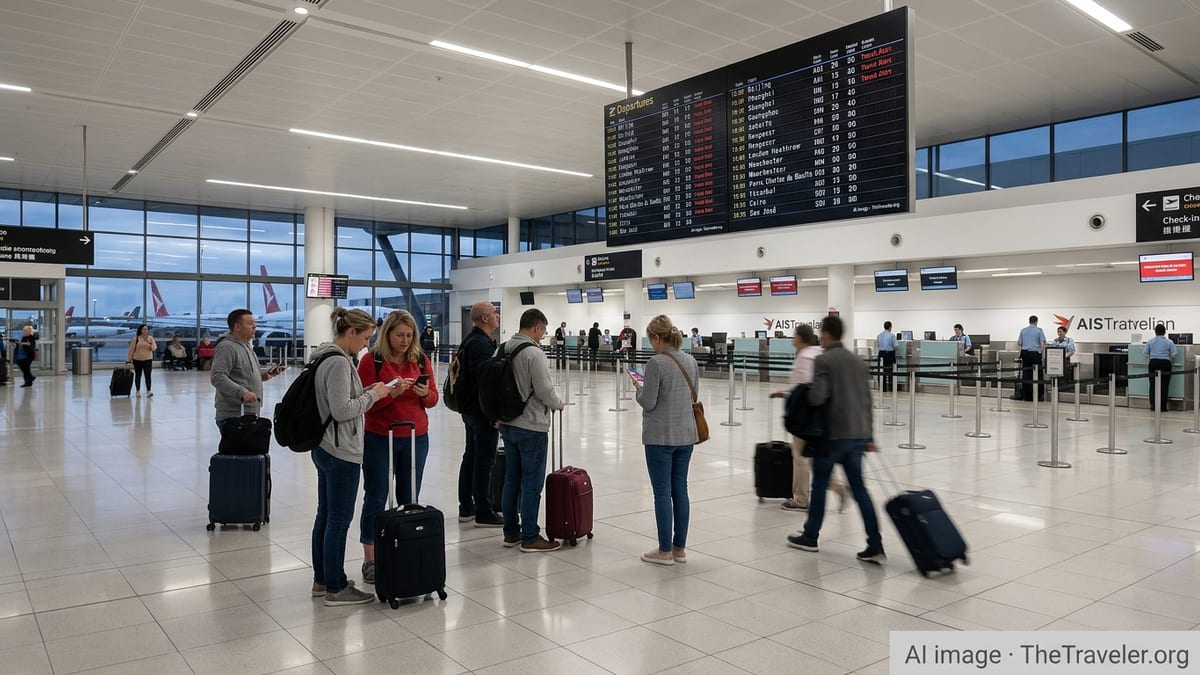
Key Gulf Destinations Shift from ‘Do Not Travel’
According to recent international news coverage, Australia has lowered its travel advice for Bahrain, Israel, Kuwait, Qatar and the United Arab Emirates, moving these destinations from a blanket “do not travel” alert to the lower tier of “reconsider your need to travel.” The updated assessment reflects a judgement that immediate security risks have moderated somewhat in the wake of a United States–Iran interim deal to end hostilities in the region.
Publicly available information indicates that the change represents the first significant easing of Australian government warnings for the Middle East since advisories were sharply upgraded during the peak of the conflict. For months, most of the region had been covered by the highest alert level, effectively shutting down leisure travel and complicating transit options for Australians heading to Europe and other long-haul destinations.
Despite the downgrade, the language of the advisory remains conservative. Official travel guidance continues to stress that Australians should carefully reassess any plans to visit the affected countries, treating trips as higher risk and ensuring robust contingency planning before departure.
The shift is nonetheless symbolically important. It signals that Canberra now sees conditions in parts of the Gulf as marginally more stable than during the height of the crisis, even as it maintains that the broader regional environment remains unpredictable and could worsen with little notice.
Cautious Opening, Not a Green Light for Tourism
Public statements and advisory texts emphasise that the revised risk level is not an invitation to resume normal tourism across the Middle East. The “reconsider your need to travel” category is still a high-level warning, typically used where there is a significant threat of violence, terrorism, or sudden disruption to essential services.
Current guidance urges Australians to delay non essential journeys to the listed Gulf states, underlining that the security situation could deteriorate rapidly. Travellers are encouraged to maintain flexible bookings, monitor local developments closely, and be prepared for fast-changing airport and airline operations, including potential route closures or flight cancellations.
Insurance considerations remain a crucial factor. Many travel insurance policies either exclude cover in areas with elevated government warnings or impose strict conditions and surcharges. Industry analyses published in recent weeks suggest that some insurers may continue to treat parts of the Gulf as higher risk, at least until a longer period of stability is evident and more countries adjust their own advisories.
For tour operators and airlines, the updated rating may support limited reinstatement of services, particularly for business travellers and essential visits. However, most companies are expected to move cautiously, aligning capacity increases with demand trends and ongoing government advice.
Context: From Broad ‘Do Not Travel’ Alerts to Gradual Easing
Australia’s move comes after an extended period during which travel advice for much of the Middle East was set at the highest level. Earlier government communications in 2026 continued to warn against travel to a wide range of destinations in the region, citing armed conflict, terrorism risk and the possibility of sudden border closures.
The interim agreement between Washington and Tehran, which aims to end active hostilities and reduce the risk of further regional escalation, has changed the risk calculus for some corridors. International reporting points to a decline in the intensity of cross-border attacks and fewer immediate threats to key aviation routes, particularly around major Gulf hubs.
Even so, risk assessments published by governments and independent security analysts alike describe the environment as fragile. Concerns remain about the potential for localised flare ups, proxy clashes and domestic unrest, any of which could disrupt travel at short notice. Intelligence and diplomatic reporting continue to frame the ceasefire as conditional and subject to political pressure inside and outside the region.
The updated Australian stance aligns broadly with a pattern seen among several Western governments, which have begun to differentiate between Middle East destinations rather than treating the entire region as uniformly off limits. Countries most directly affected by recent fighting, such as Iran, Iraq, Lebanon, Syria, Yemen and the Palestinian territories, remain subject to much stricter advice.
Implications for Australian Travellers and Airlines
The downgrade is expected to have practical effects for Australians whose itineraries involve Gulf stopovers on the way to Europe, Africa or other long haul markets. With some major hubs previously covered by “do not travel” warnings, a large volume of itineraries had been rerouted through alternate gateways in Asia, often adding time and complexity to journeys.
Travel industry commentary suggests that a lower advisory level could gradually reopen one of the most efficient air corridors between Australia and Europe, especially if airlines expand timetables as demand returns. Aviation analysts note that even a modest resumption of transit traffic through Bahrain, Doha, Dubai, Abu Dhabi and Kuwait City would relieve pressure on other gateways that have absorbed diverted passengers during the crisis.
However, demand recovery is unlikely to be immediate. Many Australian travellers remain wary of routing through the Middle East after months of headlines about conflict and disrupted flights. Bookings data and consumer surveys referenced in recent trade coverage indicate that a significant share of passengers continue to prefer itineraries via East and Southeast Asia, even at higher cost.
For airlines based in the Gulf, the changing advisory may offer a pathway to rebuild market share in the Australia–Europe and Australia–Africa markets over time. Carriers will need to reassure both passengers and corporate travel managers that contingency plans, security procedures and flexible ticket policies are robust enough to manage any renewed instability.
What Travellers Should Watch in the Coming Weeks
For Australians considering travel to or through the Middle East, the new guidance underscores the importance of close monitoring rather than complacency. Risk levels have moderated for certain destinations, but they remain substantially higher than for many traditional holiday markets in Europe or the Asia Pacific.
Travellers are advised in official materials to register their details with consular services, keep friends or family informed of their movements, and maintain up to date contact information in case of sudden changes. Publicly available checklists highlight the value of confirming insurance coverage for the specific countries being visited, as well as any clauses that may be triggered if advisories are re elevated.
Specialists in travel security recommend that visitors build extra flexibility into itineraries, including longer connection times and back up options in case flights are rerouted or cancelled. They also suggest paying close attention to local curfews, protest activity and airport security procedures, which can vary significantly even between neighbouring Gulf states.
With the interim US–Iran agreement still in its early stages, further adjustments to travel warnings remain possible in either direction. For now, Australia’s downgrade of some Middle East alerts marks a cautious step toward reopening a key aviation corridor, while keeping a clear emphasis on vigilance and the need for travellers to weigh their plans carefully.