


More news on this day
Manchester Airport experienced a busy day of schedule changes on 30 July, with a series of cancellations and delays affecting short and medium haul services during the peak summer getaway period.
Get the latest news straight to your inbox!
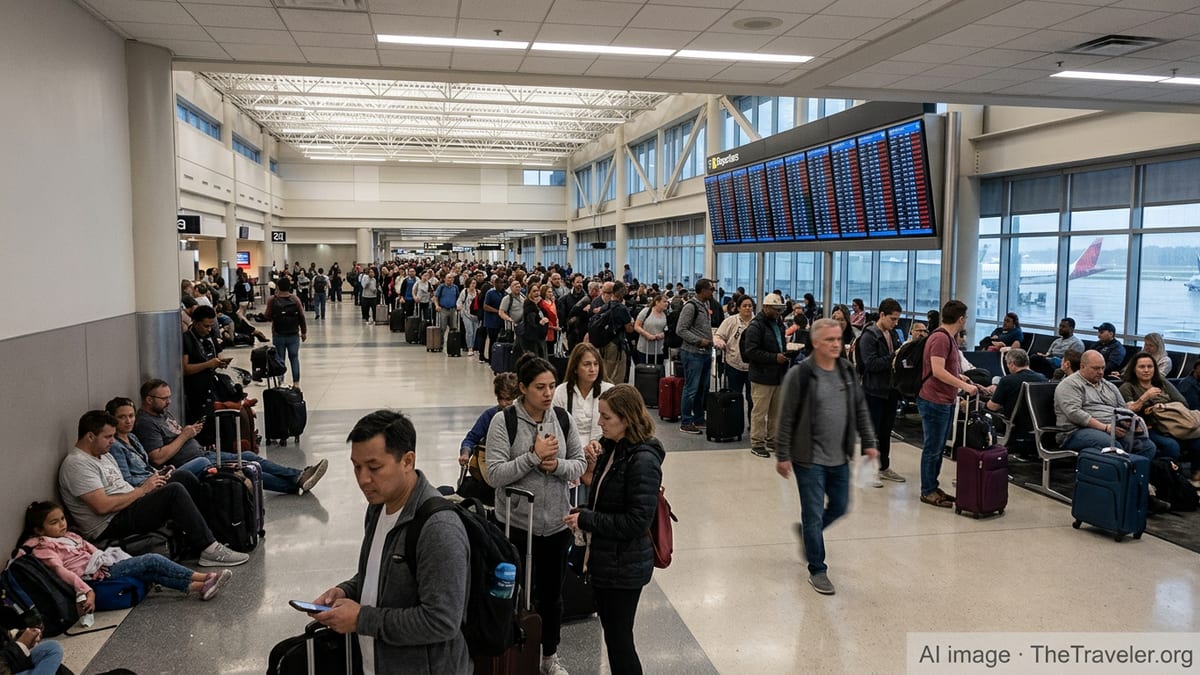
Snapshot of disruption on 30 July
Publicly available flight-tracking and airport information for 30 July indicate that Manchester Airport saw a mix of outright cancellations and extended delays across its departure and arrival boards. While the majority of flights operated broadly to time, a noticeable minority suffered hold-ups of more than an hour, alongside a smaller group of services that were removed from the schedule altogether.
The pattern was broadly in line with typical high-summer pressure on a major UK hub, with early-morning and late-afternoon waves particularly affected. Delays of between 60 and 180 minutes were most common on busy leisure routes into Europe, while cancellations tended to cluster around a handful of carriers adjusting their networks for operational or commercial reasons.
Although no single headline incident was reported on the day, such as a power failure or air-traffic control shutdown, the cumulative impact for passengers was significant. Many travellers faced missed connections, rearranged ground transport plans and the prospect of overnight accommodation after late-running inbound flights arrived after public transport options had thinned out.
The 30 July schedule also sat against the backdrop of a summer in which several airlines serving Manchester have already trimmed frequencies or consolidated services, leaving fewer back-up options for rebooking when irregular operations occur.
Routes and airlines most affected
Analysis of published departure and arrival data for 30 July shows that the bulk of disruption was concentrated on short-haul European leisure routes, particularly services to Mediterranean holiday destinations. Flights to Spanish islands, mainland coastal resorts and popular Greek destinations recorded some of the longest waits, reflecting tight aircraft utilisation and strong seasonal demand.
Low-cost and charter operators, which dominate Manchester’s summer schedule, appeared most exposed to delays once aircraft began running behind. When an early rotation departed late, subsequent legs often saw the delay compounded across the day, with late-evening returns sometimes arriving significantly behind timetable.
A smaller number of cancellations affected routes where airlines have been rebalancing capacity during the 2026 summer season. Some long-haul services have been reduced or re-routed in recent months, and on 30 July that translated into a handful of flights being removed from the live boards and passengers being offered rebooking options on alternative days or via other hubs.
Regional connections within the UK and Ireland were comparatively resilient, with only sporadic reports of major disruption. However, when an infrequent service was cancelled, travellers often faced longer detours via London or other regional airports to complete their journeys.
Operational context behind the delays
The disruption recorded on 30 July came during one of the busiest weeks of the year for Manchester Airport, with school holidays in full swing and a sustained peak in outbound leisure travel. Airport capacity plans for summer 2026 had already acknowledged that runway, stand and security resources would be under pressure during morning and evening peaks, leaving little margin for handling unplanned events.
Minor weather variations, such as low cloud or showers passing through the North West, can be enough to slow arrivals and departures when the system is already operating close to its limits. Even when conditions fall short of what would normally be considered severe, aircraft may be sequenced further apart, and ground-handling teams can find it harder to turn planes around as quickly as scheduled.
Staffing levels at airlines, handling agents and air-traffic services also remain a factor across the UK aviation network in 2026. When rosters are stretched, routine issues such as crew reaching maximum duty hours, late inbound aircraft from other airports or the need to carry out additional technical checks can lead to late-notice schedule changes. On 30 July, these types of everyday operational constraints combined to push a number of services at Manchester outside their planned time bands.
The wider European aviation system has also been under seasonal strain, with congestion and weather events elsewhere feeding into Manchester-bound services. A delay at a continental hub earlier in the day can easily cascade into a late evening arrival in the North West, particularly on multi-leg rotations.
Impact on passengers and consumer rights
For passengers, the immediate impact of the 30 July disruption was felt in longer waits in departure lounges, missed onward connections and uncertainty over revised timings. Travellers caught up in multi-hour delays often faced challenges rebooking seats during a peak travel period when alternative flights were already heavily subscribed.
Under UK and retained EU air passenger rules, airlines operating from Manchester are generally required to provide care and assistance when flights experience long delays or cancellations. That can include meals and refreshments, hotel accommodation when an overnight stay becomes necessary, and re-routing at the earliest opportunity where space is available. Cash compensation, however, depends on the cause of the disruption and whether it is deemed within the airline’s control.
Consumer advisers typically encourage passengers affected on days like 30 July to keep boarding passes, receipts and written records of any disruption, and to submit claims directly through the airline’s established channels. Free online tools can also help travellers check whether their circumstances are likely to meet the thresholds set out in current regulations.
The volume of passengers moving through Manchester during the school holidays means that even a relatively modest proportion of delayed or cancelled flights can translate into thousands of individual cases. Many of those affected on 30 July will still be working through the after-effects in the days that follow, from reclaiming expenses to reorganising missed holiday nights or tours.
What travellers can learn for upcoming trips
The experience at Manchester Airport on 30 July provides a timely reminder for travellers heading out later in the summer to build extra resilience into their plans. Choosing earlier departures where possible, allowing additional time for transfers and avoiding tight same-day connections can all reduce the risk that a delay disrupts an entire itinerary.
Holidaymakers are also increasingly encouraged to monitor their flights via airline apps and airport information before leaving home, particularly during peak travel weeks. Real-time updates can flag early signs of disruption, such as late inbound aircraft or schedule changes, giving passengers more scope to adjust transport to and from the airport.
Travel insurance with clear provisions for delays, missed departures and cancellations can provide another layer of protection. Policies vary widely, so checking limits, documentation requirements and exclusions before travelling is important, especially for trips involving non-refundable accommodation or tours.
While 30 July did not bring the kind of system-wide shutdown that has occasionally affected major UK airports in past years, the day’s pattern of rolling delays and selective cancellations underlines how quickly the aviation network can become stretched during the height of summer. For travellers using Manchester over the coming weeks, planning for some degree of disruption remains a prudent step.