


More news on this day
Austria is riding a powerful tourism wave, with new data and destination campaigns indicating a broad surge that now stretches from its most famous Alpine peaks to lesser known valleys and cultural heartlands.
Get the latest news straight to your inbox!
Record Tourism Figures Signal Expanding “Travel Empire”
Recent tourism accounts show Austria consolidating its position among Europe’s busiest destinations, with 2024 emerging as a watershed year. National statistics for overnight stays and arrivals highlight continued growth after the post‑pandemic rebound, and tourism value added increased again in 2024 according to the latest Tourism Satellite Account, underlining the sector’s economic weight.
Winter remains a pillar of this performance. Official figures for the 2023/24 winter season reported more than 71 million overnight stays in commercial accommodation, a year‑on‑year increase that brought activity close to pre‑crisis records. The combination of reliable snow in higher elevations, dense ski‑lift infrastructure and coordinated marketing of regional passes continues to attract strong demand, particularly in Tyrol, Salzburg and Vorarlberg.
Summer tourism is also accelerating and in some regions is now rivaling or surpassing winter in volume. Press materials from Tyrol’s tourism board for the 2024 summer season report over 6.4 million arrivals and emphasize the growing appeal of hiking, cycling and high‑alpine nature parks. Similar patterns are being reported in other federal states, where lake regions, riverside cycling routes and cooler mountain temperatures are proving a draw during Europe’s hotter summers.
Major cities are sharing in the gains. Vienna’s tourism office has described 2024 as the most successful year so far for city tourism in the capital, while Graz and Salzburg have each published positive annual balances with increases in both arrivals and overnight stays compared with 2023. These results point to a broad‑based upswing that reaches beyond traditional ski resorts into urban cultural centers.
From Iconic Peaks to Quiet Valleys
The Alps remain the backbone of Austria’s international image, but the geographical spread of tourism is shifting. Tyrol, long one of the country’s leading regions for overnight stays, continues to register millions of guest nights in established destinations such as the Ötztal, Paznaun and Innsbruck. Yet national and regional campaigns are now highlighting lesser‑known valleys and side branches of the main Alpine corridors to distribute visitors more evenly.
Summer news and destination briefings from the Austrian National Tourist Office place increasing emphasis on so‑called “hidden valleys” and lesser‑known mountain areas. The High Alps Nature Park Zillertal Alps is being promoted as a valley of three‑thousand‑metre peaks where visitors can combine hut‑to‑hut hiking with regional gastronomy. In Vorarlberg, new trails and interpretive routes in the Montafon region are being packaged under the “Alpine Mosaic” concept to encourage longer stays and off‑season travel.
Other valleys, such as side arms of the Salzach and Enns rivers or high plateaus in Carinthia and Styria, are being marketed for quieter, low‑impact activities. Public information from tourism boards outlines a growing focus on hiking by mountain lakes, waterfall routes and panoramic ridge walks rather than only lift‑served skiing. This trend is supported by investments in trail maintenance, mountain‑hut upgrades and integrated public‑transport offers, including connections enabled by the KlimaTicket national travel pass.
Transport initiatives along the Danube are also widening access to less familiar landscapes. In Lower Austria, for example, recent announcements by river cruise operators describe new or adapted services designed to maintain links for hikers and cyclists in smaller communities following infrastructure disruptions. Such measures keep traffic flowing into towns and valleys that might otherwise sit outside major tourist circuits.
Cultural Hubs Drive Urban Tourism Growth
Austria’s cultural sector is a second engine of the country’s tourism expansion. Vienna, Salzburg and Graz, alongside smaller historic centers, have seen renewed attention as short‑break destinations combining architecture, music, museums and food. Visitor‑economy strategies published by Vienna’s tourism authorities show how the city is positioning itself with an updated “Optimum Tourism” approach, focusing on value creation and liveability rather than simple volume growth.
Salzburg is leveraging its baroque old town, festival heritage and proximity to lake and mountain scenery. A culture strategy launched for the city and updated through 2024 sets out priorities that include stronger links between cultural institutions and year‑round tourism, as well as a diversification of programming beyond peak summer events. Graz, designated a UNESCO City of Design, is promoting its mix of Renaissance core, contemporary art spaces and culinary traditions, a combination that has helped push its 2024 overnight figures above previous years.
Beyond the well‑known cities, the Salzkammergut lake district has drawn international attention as a European Capital of Culture in 2024. The multi‑town program, coordinated across parts of Upper Austria, Styria and Salzburg, underscores themes of landscape, industrial heritage and contemporary art. Publicly available documents for the initiative highlight ambitions to reshape tourism flows in the region by extending visitation beyond iconic viewpoints to lesser‑known communities and cultural venues.
These developments reflect a wider European trend in which cultural tourism is used to strengthen regional identity and encourage longer, more dispersed stays. In Austria’s case, the success of large urban centers is increasingly linked to curated day trips into nearby valleys and lake districts, knitting together the country’s natural and cultural assets.
Managing Overtourism and Pushing for “Balanced Tourism”
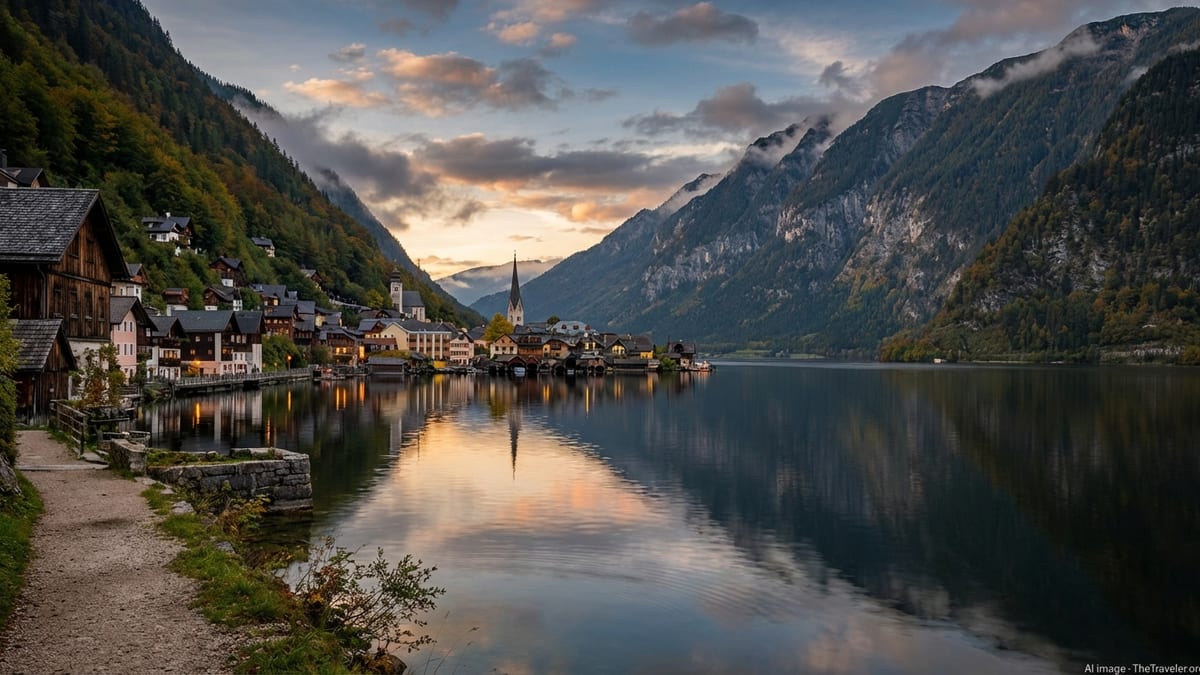
The rapid growth of Austria’s “travel empire” is also bringing familiar challenges. International media and research into overtourism frequently cite Hallstatt, a lakeside village in the Salzkammergut, as an example of a small community struggling with very high day‑visitor numbers relative to its resident population. Concerns include congestion from tour buses, pressure on local infrastructure and the risk that short photo‑stop visits provide limited economic benefit.
National policy responses are now beginning to take shape. Public communications from Austria’s tourism ministry in recent years describe new funding calls under the label of “Balanced Tourism,” aimed at supporting projects that guide visitor flows, promote lesser‑known regions and encourage year‑round travel. Separately, federal funding has been made available for pilot projects on visitor management, with a particular focus on hotspots that experience crowding at specific times of year.
Municipal and regional tourism organizations are experimenting with their own tools. These include digital reservation systems for parking and viewpoints, targeted public‑transport offers to reduce car traffic, and campaigns encouraging travelers to visit at off‑peak times or explore alternative routes. Data from Statistik Austria combined with local monitoring is being used to identify pressure points and evaluate whether new measures succeed in spreading demand.
Austria’s experience differs from some mass‑tourism destinations because many of its busiest areas are high‑alpine resorts with established infrastructure. However, the debate over how many visitors is “too many” has become more prominent as overnight numbers surpass previous records and international arrivals rebound. The challenge for policymakers and destinations is to preserve the qualities that make the Alps, valleys and historic centers attractive while keeping tourism economically viable and broadly accepted by residents.
Sustainability, Climate and the Future of the Alps
Climate change is emerging as a decisive factor for the future of Austria’s tourism geography. Warmer winters and more variable snowfall are already influencing investment decisions in lower‑lying ski areas, where shorter seasons and higher snowmaking costs raise questions about long‑term viability. Some regions are publicly pivoting toward four‑season tourism models that rely less on alpine skiing and more on hiking, cycling, wellness and culture.
National and regional policy documents increasingly refer to sustainability, including reduced emissions and stronger rail connectivity, as central to tourism strategy. Austria’s climate‑friendly “KlimaTicket” has been analyzed in academic work as a driver of increased public‑transport demand, and tourism bodies are seeking to capitalize on this by promoting car‑free access to resorts and cultural cities. Accommodation providers are likewise marketing energy‑saving upgrades and local sourcing of food as part of their appeal.
Hidden valleys and smaller cultural towns are likely to play a growing role in this transition. Their cooler microclimates, intact landscapes and traditional architecture are being promoted as assets in a market that is more sensitive to heatwaves and environmental impact. If visitor management efforts succeed, these places may absorb some of the pressure from classic hotspots while preserving the sense of discovery many travelers seek.
For now, Austria’s travel empire continues to expand across its majestic Alps, quiet valleys and richly layered cultural map. How effectively the country balances growth with sustainability over the next decade will determine whether today’s boom becomes a lasting model for mountain and cultural tourism in Europe.