


The British Airways American Express Premium Plus Card has become a fixture in many UK travellers’ wallets, thanks to its generous Avios earning rate and the coveted companion voucher. Yet with an annual fee of about £300 and rising costs on British Airways reward flights, it is easier than ever to overpay for this card. The difference between a savvy cardholder and someone wasting money often comes down to one thing: understanding the real value you personally get from Avios and the companion voucher, not the marketing headline.
Get the latest updates straight to your inbox!
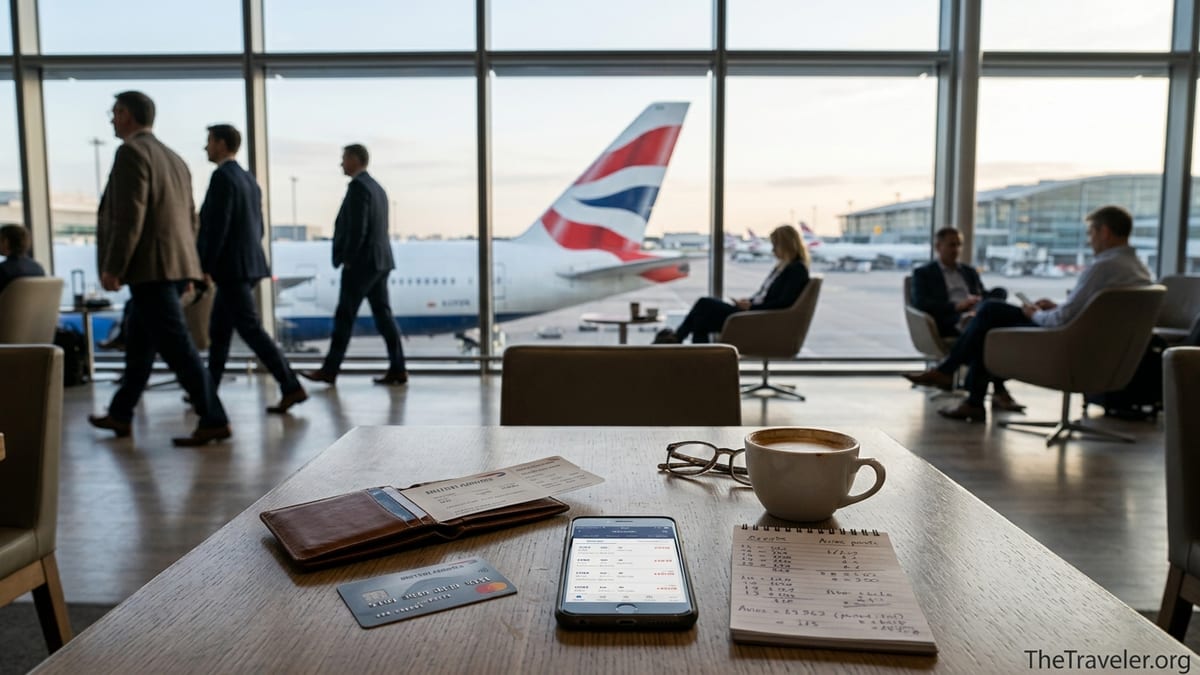
What the BA Amex Premium Plus Card Actually Offers
Before deciding whether the British Airways American Express Premium Plus Card is worth its fee, it is important to understand the core benefits. The card typically charges an annual fee of around £300, though exact pricing can change, so you should always verify the current fee before applying. In return, cardholders earn an enhanced rate of Avios on day to day spending compared with the free British Airways American Express card, and get access to the more flexible version of the British Airways companion voucher. Most importantly, the Premium Plus voucher can be used in any cabin, including Club World and First, whereas the voucher from the free card is restricted to economy.
The headline attraction is the ability to earn that companion voucher when you hit a specific spend threshold during your card year. At the time of writing, widely reported terms indicate that spending around £15,000 in a card year triggers the voucher, which is then deposited in your British Airways Executive Club account. The voucher lets you either take a second passenger on the same reward flight for no additional Avios, or use it to obtain a discount on a solo booking, while still paying the usual taxes, fees and charges. The catch is that these “fees and charges” on British Airways long haul flights can easily run to several hundred pounds per person, especially in premium cabins.
On paper, then, the card offers faster Avios earning, a potentially very valuable companion voucher, and some travel protections typical of American Express products. In practice, the value you extract depends heavily on where you fly, what cabin you choose, how flexible your dates are, and whether you would realistically pay cash for those flights. The rest of this guide focuses on turning that glossy marketing promise into a cold, numbers driven view of whether you are getting more value than the annual fee you are handing over.
Understanding the Real Value of Avios
Avios do not have a fixed value. Their worth changes depending on how you redeem them, much like hotel points or other airline miles. Independent analyses in 2025 and 2026 commonly place the average value of British Airways Avios at roughly 0.8 to 1.2 pence per point on typical economy redemptions, with the potential to reach 2 pence or more on carefully chosen long haul business or first class flights. Some niche redemptions can deliver even higher value, but those are less relevant for most casual travellers.
Consider an example. Suppose you want to fly off peak from London to New York in economy using Reward Flight Saver pricing. After a reward flight price increase in December 2025, British Airways pricing examples show a return journey at about 55,000 Avios plus around £120 in cash for off peak economy. If a comparable cash fare for your dates is £550 including bags and seat selection, your 55,000 Avios are saving you £430 after accounting for the £120 you still pay. That works out to roughly 0.78 pence per Avios, which sits in the expected band for economy long haul.
Now compare that with a more aspirational redemption. A long haul Club World return might cost around 180,000 Avios plus £650 in fees and charges, when equivalent cash fares in busy periods can be well above £2,000. If you assume a realistic cash fare you would pay of £1,800, your Avios are saving £1,150 after that £650 payment, equating to about 0.64 pence per Avios. If instead you compare against a fully flexible business ticket at £3,000, you could easily be getting closer to 1.3 to 1.5 pence per Avios. The key lesson is that the reference cash fare you use must match what you would genuinely pay, not the highest possible business class price you can find for that route.
Short haul economy within Europe can be an excellent sweet spot. Reward Flight Saver on routes like London to Geneva or Berlin can be available for around 10,000 Avios plus a nominal cash fee on off peak dates, compared with cash fares that regularly top £150 return in popular seasons. Here, it is often straightforward to obtain 1 pence per Avios or more. If your travel pattern is mostly these kinds of short European trips, the Avios you earn from the Premium Plus card can be genuinely valuable, even before you layer in the companion voucher.
The Companion Voucher: Powerful but Often Misunderstood
The British Airways companion voucher, sometimes called the Travel Together Ticket, is where much of the theoretical value of the Premium Plus card lies. Recent guidance and coverage in the UK money press explain that Premium Plus cardholders can use the voucher in any cabin on British Airways operated flights, including Club World and First, and can now also use it solo to obtain a significant Avios discount on a single ticket. Current rules allow Premium Plus vouchers to reduce the Avios price by up to 200,000 Avios per booking, which shows how heavily the benefit is designed toward premium cabins on long haul routes.
In practical terms, the classic use case is a couple booking two Club World return tickets from London to a destination like New York, Dubai or Barbados. Without a voucher, an off peak Club World redemption might run to around 180,000 Avios per person plus £650 each in Reward Flight Saver fees. With the Premium Plus companion voucher, you could pay 180,000 Avios in total for both passengers plus around £1,300 in combined fees, in effect halving the Avios cost for the pair. If you would have otherwise paid £3,000 in total for two sale business class tickets, you are using 180,000 Avios to save £1,700 after fees, yielding almost 0.95 pence per Avios.
However, many cardholders are disappointed when they discover how much cash they still have to pay. That same pair of Club World seats might require well over £1,000 in total surcharges, especially on routes subject to higher airport and carrier imposed fees. A family aiming to use two vouchers on a peak date in August can easily find themselves facing over £2,000 in cash charges on top of hundreds of thousands of Avios. In such cases, a competitive sale fare in premium economy or business might be a better deal, particularly on routes where non stop competition keeps fares in check.
Another important nuance is that the voucher is only as useful as the reward seat availability on your routes and dates. British Airways releases a limited number of reward seats in each cabin per flight, and popular school holiday and Christmas departures from London can be snapped up within hours of release. Travellers who can book 355 days in advance, travel midweek, or are flexible on airports, such as flying out of Gatwick instead of Heathrow, tend to extract much higher value from the voucher than those who can only travel at weekends in August.
When the Premium Plus Card Makes Financial Sense
To avoid overpaying for the Premium Plus card, you need to compare the fee you are paying with the real, cash measurable benefit you receive. Start by assuming you can obtain around 0.8 to 1 pence of value per Avios on your typical redemptions. Then look at how many Avios you earn from your actual spending. If you put £20,000 per year on the card, earning an extra 0.5 Avios per pound compared with a fee free alternative would generate about 10,000 additional Avios, worth roughly £80 to £100 based on that valuation range. On spend alone, that is not enough to justify a £300 fee unless you use other features of the card.
The companion voucher is the make or break factor. Imagine a traveller who reliably flies to the United States or the Caribbean once a year in business class using Avios. If they plan ahead and use a Premium Plus voucher to take a partner along, they might save 120,000 to 180,000 Avios on that trip. At a conservative 0.8 pence per Avios, that corresponds to £960 to £1,440 of value. Even if you mentally halve that because you might be tempted into a cabin you would not normally pay for, it still suggests that one well used voucher can comfortably cover the fee and leave you ahead.
In contrast, consider a cardholder whose travel pattern is mostly last minute weekend hops to European capitals, often booked as cash fares on whichever airline is cheapest on a comparison site. They might earn the voucher each year but never find reward availability on the dates they want, particularly if they insist on flying on Friday evenings and returning Sunday nights. If the voucher ends up expiring unused, their effective benefit from the card is just the extra Avios on spending, which is rarely sufficient to beat the fee. For this type of traveller, a fee free card that earns Avios at a slightly lower rate, or even a card that earns flexible bank points, may be more sensible.
There is also the matter of opportunity cost. If you run a small business and can channel large volumes of spending through a card that earns flexible transferable points or cashback, it might produce more consistent, predictable value than a route specific airline card. The Premium Plus card is at its best when you are certain that you will use at least one companion voucher every one or two years on an itinerary where reward seats exist and where you would otherwise have purchased those tickets outright.
Real World Redemption Scenarios: Winners and Traps
To make this more concrete, imagine a London based couple planning a trip to New York in May. They hold 160,000 Avios and a fresh Premium Plus companion voucher. Searching for off peak dates, they find Club World reward seats priced at 180,000 Avios plus around £1,300 in total Reward Flight Saver fees for two people. They decide to pay a little extra cash and use 160,000 Avios by selecting a slightly different Avios plus cash combination. Comparing this with return business class fares on British Airways and major competitors, which are running around £1,500 per person for similar dates when booked several months ahead, they are effectively getting two tickets for the price of one, at an Avios value that comfortably justifies holding the card.
Now look at a different scenario. A family of four in Manchester wants to travel in August to Orlando in school holidays, hoping to use two companion vouchers they have earned with the Premium Plus card. They search reward availability but discover that only economy seats are left on the outbound leg, and just two premium economy seats on the return. Total Avios required for the mixed cabin itinerary comes to 280,000, and the surcharges add up to almost £2,200. When they compare this with package deals and cash fares from Manchester or even indirect services via Dublin, the saving looks marginal at best, especially when they value the extra travel hassle and checked baggage fees. In this case, the vouchers have not translated into clear, tangible savings, and the family could arguably have been better off chasing sign up bonuses and cashback on more flexible cards.
There are also attractive uses that do not involve flying from London. Reward Flight Saver now applies to most British Airways short haul routes, including those served from regional airports via London. A traveller in Glasgow might use 18,000 Avios plus modest fees for an off peak Club Europe return to a city like Rome, when cash business class fares over a bank holiday weekend can exceed £400. Here the effective value per Avios can easily breach 1.5 pence if you would otherwise have paid for that more comfortable seat and priority airport experience, and you do not even need to involve the companion voucher.
On the flip side, one of the common traps is using Avios to part pay for a cash ticket instead of booking a full reward flight. For instance, British Airways might offer you the option to reduce the price of a £250 ticket by £50 in exchange for 9,000 Avios. That equates to around 0.55 pence per Avios. If your usual redemptions via the companion voucher or Reward Flight Saver generate closer to 0.9 pence per Avios, using points this way undermines the value of the card. Occasional part payment redemptions to avoid orphan balances are fine, but they should not be the primary way you leverage the Avios you earn from your annual fee.
How to Decide if You Are Overpaying for the Card
A straightforward way to check whether you are overpaying for the Premium Plus card is to run a personal break even calculation once a year. Tally the Avios you have earned from the card, including any welcome bonuses triggered by new spend, and estimate their value using a realistic pence per point figure based on how you actually redeem. Then add the incremental benefit of any companion vouchers or major redemptions you have used. Compare this total with the card’s annual fee and the value you could have earned with a different product, such as a fee free Avios credit card or a cashback card.
For example, say you earn 40,000 Avios from everyday spending on the Premium Plus card and 50,000 Avios from a sign up bonus in your first year, giving 90,000 Avios. If you are mostly redeeming on short haul economy flights and averaging 1 pence per Avios, that stash is worth about £900 in flights. If you also used a companion voucher on a Club Europe redemption that saved you a further 40,000 Avios compared with booking two separate tickets, your total Avios benefit rises to around £1,300 of value, which comfortably covers the fee. In subsequent years, without a welcome bonus, you should re run the numbers and see whether the combination of spending and voucher usage still leaves you ahead.
If, however, you realise that you earned only 20,000 Avios from spending because you used other cards frequently, and that your companion voucher expired unused, your effective annual benefit may be closer to £160 to £200. In that scenario, a £300 fee card is obviously poor value. You would be overpaying for the privilege of holding a metal card in your wallet and imagining aspirational trips that never quite happen. Downgrading to the free British Airways card, or pausing your Premium Plus membership until you have big travel plans, can be a rational move.
It can also help to view the annual fee as a discount you are prepaying on a future trip. If you know with high confidence that next year you will book a Club World redemption for two people using a companion voucher that will save you at least 100,000 Avios at a realistic 0.8 pence per Avios, that is £800 of value. Paying a £300 fee to unlock that saving may well be justified. If your plans are vague, or your life circumstances are changing, keep your options open and avoid committing to a premium fee card until you have a clear redemption strategy.
The Takeaway
The British Airways American Express Premium Plus Card is neither a guaranteed bargain nor an automatic rip off. It is a highly leveraged tool: in the right hands, one that belongs to travellers who plan ahead, understand Avios value, and can be flexible with destinations and dates, the card can unlock thousands of pounds worth of premium cabin travel for a relatively modest outlay. For others, particularly those who travel infrequently, prefer ultra low cost carriers, or struggle to use reward seats at peak times, the annual fee can quietly drain money year after year with little to show for it.
To avoid overpaying, strip the card back to basics. Assume cautious Avios valuations, compare with genuine cash fares you would pay, and treat the companion voucher as a conditional bonus, not a guaranteed windfall. Run a simple yearly review: how many Avios did you earn, how did you redeem them, and what was the cash saving after fees compared with realistic alternatives. If the answer is consistently lower than the fee, you are subsidising other people’s business class flights instead of your own.
For many UK based travellers who make one or two long haul trips a year and can commit to booking reward flights early, the Premium Plus card still represents one of the strongest ways to turn everyday spending into aspirational travel. The key is vigilance. Understand the real value you are getting, be prepared to downgrade or cancel if your circumstances change, and treat the card as a travel planning tool rather than a status symbol. Used thoughtfully, it can more than earn its place in your wallet. Used casually, it is just another bill.
FAQ
Q1. What is the current annual fee for the British Airways American Express Premium Plus Card?
The annual fee is typically around £300, though American Express can change this over time, so you should check the latest figure before applying or renewing.
Q2. How much do I need to spend to earn the Premium Plus companion voucher?
Recent terms require spending in the region of £15,000 in a card year to trigger the companion voucher, but you should always confirm the exact threshold in your latest card documentation.
Q3. Can I use the Premium Plus companion voucher in business or first class?
Yes. A key advantage of the Premium Plus voucher over the free card’s version is that it can be used in any cabin on eligible British Airways flights, including Club World and First.
Q4. Why do I still have to pay so much cash when redeeming Avios with the voucher?
British Airways reward flights require you to pay taxes, fees and carrier imposed surcharges in cash. On long haul routes, especially in premium cabins, these can run to several hundred pounds per person even when using Avios.
Q5. How can I estimate the value of my Avios when deciding whether to use them?
Compare the cash fare you would realistically pay for the same flight with the total you pay when redeeming Avios, including fees. Divide the cash saving by the number of Avios used to get a pence per Avios figure.
Q6. Is the BA Amex Premium Plus Card worth it if I mostly fly short haul in Europe?
It can be. Reward Flight Saver redemptions on busy European routes often deliver strong value, and if you can also use a companion voucher on Club Europe trips, the card may still justify its fee.
Q7. What happens if I earn a companion voucher but cannot find reward seats?
If you cannot find suitable reward availability before the voucher expires, it simply goes unused, and you lose that potential value. This is a key reason many people end up overpaying for the card.
Q8. Can I downgrade to the free British Airways American Express card if the Premium Plus stops making sense?
Yes. Many cardholders choose to downgrade to the fee free version if their travel plans change or they are not getting enough value from the Premium Plus benefits to justify the annual fee.
Q9. Does using Avios to part pay for a cash ticket offer good value?
Often it does not. Part payment options can value Avios at well under 1 pence each, which is usually worse than the value you can achieve with full reward flights or companion voucher redemptions.
Q10. How often should I review whether to keep the BA Amex Premium Plus Card?
It is sensible to review your card once a year around renewal time. Look at how many Avios you earned, how you redeemed them, whether you used any vouchers, and compare the real world benefits with the annual fee.