


More news on this day
British Airways has restarted its London to Dubai service after an eight month pause tied to regional conflict, while carriers across Europe and the Gulf continue to suspend or pare back flights to Saudi Arabia amid ongoing security concerns and evolving airspace advisories.
Get the latest news straight to your inbox!
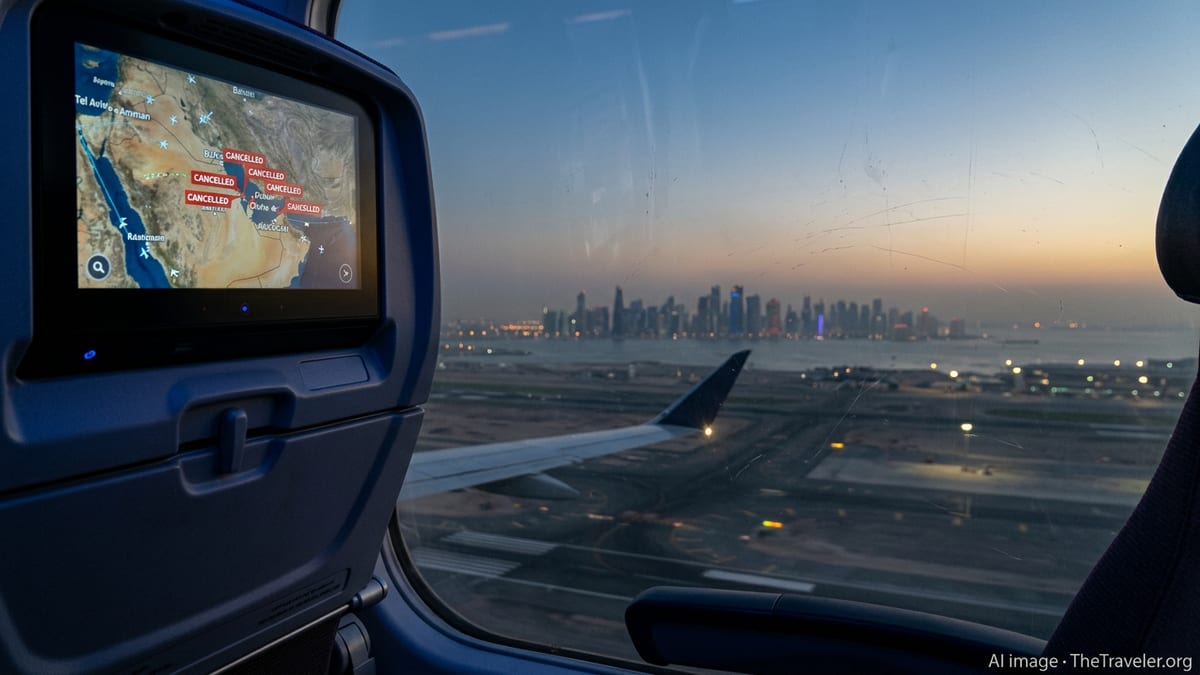
BA’s Dubai comeback after eight month shutdown
British Airways has brought back its nonstop link between London Heathrow and Dubai International Airport, restoring one of the busiest premium corridors between Europe and the Gulf. Publicly available schedules and industry coverage show that a daily Heathrow departure to Dubai resumed from 3 November 2026, following an eight month suspension triggered by the escalation of conflict involving Iran earlier this year.
Reports indicate that the reinstated service returns as a single daily rotation rather than the higher frequency pattern seen before the February 2026 shutdown, reflecting continued caution around routing and demand. Aviation trade publications note that the airline has focused on rebuilding one stable frequency first, with further capacity decisions tied to how regional airspace restrictions evolve over the northern winter season.
At the same time, British Airways is keeping its wider Gulf footprint under review. Coverage from regional and trade outlets highlights that the carrier’s Abu Dhabi route remains suspended, with no passenger flights expected to return to the UAE capital until the winter 2027 to 2028 schedule. Services to other conflict affected destinations such as Amman and Tel Aviv also remain curtailed or suspended, underlining how selective the resumption has been.
The relaunch of Dubai flights adds back an important connection for both leisure and corporate travellers between the UK and the wider Middle East, given the emirate’s role as a transfer hub. However, travel advisors continue to emphasise that schedules remain subject to short notice changes, advising passengers to monitor bookings closely and allow extra time at the airport in case of disruption.
Saudi routes still on hold despite airport reopenings
While BA’s Dubai return signals renewed confidence on selected corridors, many international airlines are continuing with partial or full suspensions of services into Saudi Arabia. Following deadly attacks at Riyadh’s main airport complex in October, several European and Asian carriers extended Saudi cancellations into November, even after authorities reported that airport operations had technically resumed.
Factbox style summaries from global newswires and regional outlets show that Franco Dutch carriers have prolonged the suspension of flights to and from Riyadh at least until mid November, while German group airlines have pushed their Riyadh restart date back to 18 November 2026. Other operators listed by travel advisory services have removed certain Saudi frequencies from their public schedules entirely for the first half of the month.
Regional low cost and hybrid airlines have also scaled back. Travel advisories collating airline notices report suspended or reduced services from Gulf hubs such as Sharjah to Saudi cities including Riyadh, Abha and Taif, even as domestic Saudi operations continue. Some Saudi based airlines are reportedly consolidating traffic through alternative airports or adjusting timings to fit revised airspace corridors.
Industry briefings stress that these decisions reflect carrier level risk assessments rather than a blanket closure of Saudi airspace. The effect for travellers, however, is a continuing scarcity of nonstop international options into key Saudi gateways, coupled with frequent last minute cancellations and rebookings.
Airspace risk bulletins shape regional flight planning
The pattern of selective resumptions and extended suspensions is being heavily influenced by ongoing conflict zone guidance. The European Union Aviation Safety Agency has an active bulletin covering parts of Saudi airspace, including the Jeddah Flight Information Region, which advises additional caution and route planning measures rather than a full closure. Logistics and travel advisories note that this guidance has recently been extended through at least mid November 2026.
Separate analyses of the wider Middle East airspace picture describe how commercial traffic has been funneled into a limited number of north and south corridors due to restrictions over Iran, Iraq and parts of the Levant. In this environment, Saudi Arabia and Egypt have become vital east west thoroughfares, resulting in extra congestion, longer routings and heightened sensitivity to any new incident affecting major hubs.
Specialist supply chain updates released over recent months describe Saudi airports as operational but subject to delays and selective schedule changes as airlines respond to changing threat assessments and capacity constraints. Even where flights are operating, they can be retimed or rerouted around specific areas of concern, adding to journey times for passengers flying between Europe, Asia and Africa via the Gulf.
For Dubai, industry updates in early 2026 documented periods of temporary disruption and diversions following strikes and missile incidents, followed by a phase of limited resumption. The new British Airways service is launching into a region that remains operationally fragile, even if core hubs like Dubai International and Abu Dhabi International are handling high volumes of traffic once again.
Knock on effects for travellers and fares
The uneven pace of recovery across Gulf and Saudi gateways is translating into a mixed experience for travellers. Advisories compiled by travel management companies and ticketing platforms highlight continuing instances of last minute cancellations on routes touching Saudi airports, alongside relatively stable operations on core Dubai and Doha services. This fragmentation means itineraries that transit multiple hubs are at particular risk of disruption.
Where capacity has been cut or has yet to return, travellers are seeing fewer nonstops and more multi stop routings via secondary airports. In Saudi Arabia, some passengers booked to suspended destinations have been re accommodated through alternative cities with onward ground transfers arranged by carriers or agents, according to regional travel agency updates. These workarounds can add several hours to overall journey times.
Airfare data cited in recent regional coverage suggests that constrained capacity through safe corridors has pushed up prices on some long haul routes that rely on Middle East connections. At the same time, tactical promotions are appearing on newly restored services such as London to Dubai as airlines seek to rebuild load factors without overcommitting to capacity.
Travel advisories consistently urge passengers heading to or transiting through the Middle East to keep receipts for any additional accommodation or transport costs during disruption, as these may be needed when seeking reimbursement under airline policies or travel insurance. They also recommend checking both departure and arrival airport status on the day of travel, given that localised incidents can ripple quickly through already congested networks.
What to watch on the Dubai and Saudi corridors
For now, British Airways’ return to Dubai stands out as a cautiously optimistic development in an otherwise unsettled regional picture. The carrier’s decision to restart a single daily Heathrow Dubai rotation, while leaving Abu Dhabi and other Middle East routes suspended for at least another winter season, underlines the importance of Dubai as both a destination and a connecting gateway.
Analysts following the region say the next key milestones for travellers will be whether major European groups set firm restart dates for Riyadh and other Saudi cities, and whether existing suspensions are extended further into November and December. Any revision to international security advisories for Saudi Arabia or to conflict zone bulletins covering Gulf airspace could also prompt rapid schedule changes.
For Dubai, the focus will be on the stability of operations as more international airlines add back capacity and as peak winter tourism demand builds. Aviation news outlets are already tracking day to day variations in arrivals and departures lists at Dubai International, noting that while punctuality has improved since the worst of the disruption, weather, security alerts or new regional incidents can still trigger clusters of delays or diversions.
Travellers planning itineraries that combine Dubai with Saudi Arabia or other Gulf states are being advised by travel providers to build in longer connection times, consider flexible fares where possible, and monitor both airline and airport updates regularly in the days before departure. With one flagship route now restored and others still on hold, the Middle East remains a region where flight plans can change quickly, even for those flying on the largest and best known carriers.