


More news on this day
After several years of pent-up “revenge travel,” a growing squeeze on household budgets is poised to cool winter travel spending, as consumers weigh higher living costs against their desire to get away.
Get the latest news straight to your inbox!
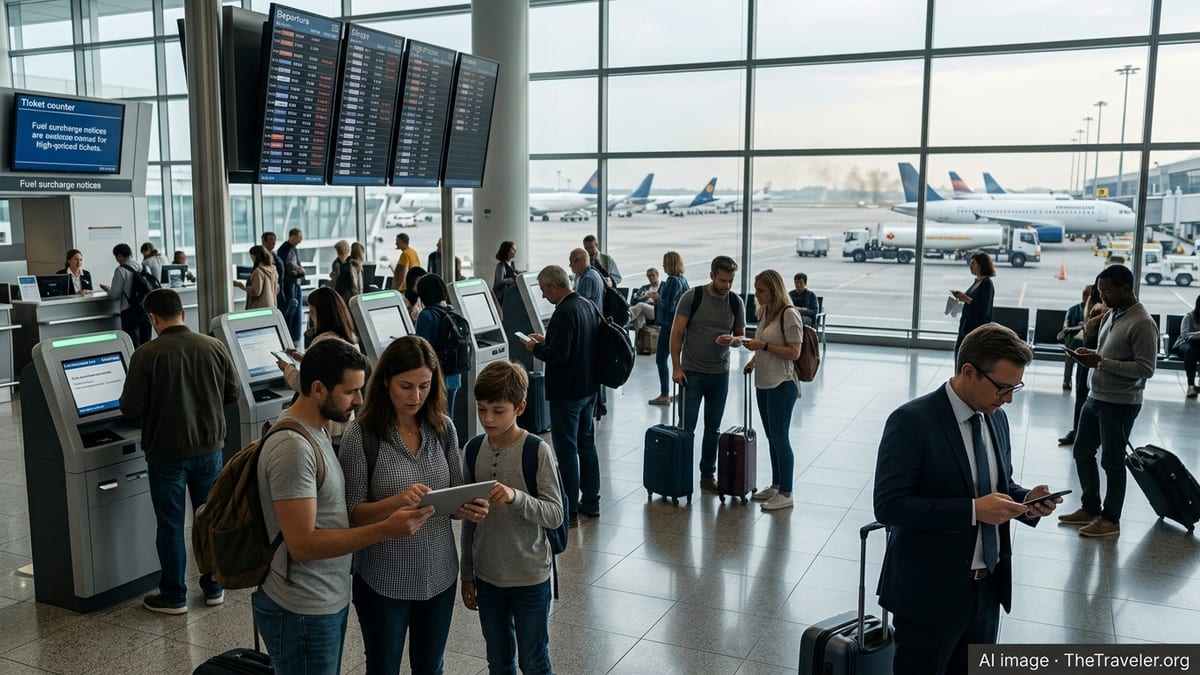
Signals of a softer winter for leisure travel
Surveys of American travelers point to a more cautious mood heading into the 2026 winter season. A recent holiday travel survey from Deloitte reports that trip length, trip frequency and overall travel budgets are all down compared with last year, with fewer planned getaways and more conservative spending on each one. The analysis suggests that key metrics for travel providers, such as airline load factors, hotel revenue per available room and in-destination activity bookings, could weaken over the winter period.
The shift follows two strong postpandemic years in which leisure travel demand outpaced broader consumer spending. Research summarized by Skift and other industry analysts shows that 2023 and 2024 were exceptional for travel as households prioritized vacations even while cutting back elsewhere. More recent data from bank card spending and consumer sentiment surveys indicates that this gap is narrowing as higher everyday costs and moderating wage growth leave less room in discretionary budgets.
Even among higher income households the tone has changed. Deloitte’s consumer work notes that nearly one in five Americans with annual household incomes above 100,000 dollars now say they feel worse off financially than a year ago, up from around one in eight the previous year. Because these travelers tend to take more trips and spend more per trip, their belt-tightening can have an outsized impact on winter leisure spending.
At the same time, a generational shift is underway. According to the same research, Gen Z and millennials together are expected to account for about half of holiday travelers. These younger travelers express strong intent to travel but are also more likely to use budget tools, flexible dates and online deal tracking, reinforcing pressure on travel brands to compete on price and value through the low season.
Prices ease in some categories but budgets remain tight
Headline inflation in the United States has slowed from its peak, yet the cumulative effect of several years of price rises is weighing on travel decisions. Data from the U.S. Bureau of Labor Statistics shows that overall consumer spending in 2024 rose just 1.8 percent in nominal terms while inflation ran at 2.9 percent, meaning real spending declined. In other words, average households entered 2025 already buying slightly less once price changes were taken into account.
Travel-related costs have moved unevenly. Official transportation statistics indicate that average domestic airfares in the United States have fallen from their mid-pandemic peaks, with the Bureau of Transportation Statistics reporting that the 2024 annual average domestic fare was lower than in 2023. Budget platforms such as Hopper have also highlighted periods of cheaper domestic and transatlantic tickets during 2024 and early 2025 as airlines added capacity on popular routes.
By contrast, accommodation has remained a pressure point. Corporate travel analyses compiled by Deloitte and global travel management companies show that hotel room rates for business travelers continued to climb through 2024, and many of those increases have flowed through to leisure segments. Online travel agencies and metasearch platforms continue to track higher average daily rates in major U.S. and European cities compared with prepandemic levels, even where occupancy has softened.
The mixed pricing picture creates a challenge for budget-conscious winter travelers. While airfare to some destinations may be cheaper than a year ago, elevated lodging and food costs, plus resort and activity fees, can erase those gains. Publicly available booking data indicates that many travelers are responding by shortening stays, trading down from full-service hotels to limited-service properties, or opting for self-catering apartments to manage meal costs.
Consumers trade down, delay and stay closer to home
Travel sentiment research from industry groups and card issuers suggests that households are using a range of tactics to reconcile tight budgets with continued demand for winter breaks. Recent consumer pulse surveys from KPMG and other consultancies show that many Americans still plan to travel during the holidays but intend to cut back on nonessential elements such as premium cabins, luxury hotels and paid excursions.
Published coverage of airline and hotel performance in late 2025 points to more price-sensitive booking patterns. Carriers have reported stronger demand in basic and standard economy cabins than in higher-yield segments on some domestic routes, while hotel operators have noted softer bookings at upscale properties compared with midscale brands in certain markets. Analysts link these patterns to travelers who still want to go but are choosing less expensive room categories or shifting from luxury resorts to budget chains.
There also appears to be a gradual pivot toward trips that are closer to home. Data compiled by U.S. travel organizations for the past two winter seasons shows that short-haul domestic trips, including regional driving vacations, have held up better than long-haul international travel. With gasoline prices off their recent peaks and many families already owning the necessary equipment for skiing or outdoor activities, a long weekend drive to a mountain or national park can be more affordable than a weeklong overseas holiday.
Another adjustment is timing. Airline revenue reports and online search trends indicate that some travelers are shifting away from the most expensive peak dates around Christmas and New Year, instead targeting early December or late January for winter escapes. This allows them to take advantage of lower midseason fares and room rates while still getting a cold-weather or sunshine break.
What a cooler winter means for destinations and operators
A pullback in discretionary travel spending would be felt unevenly across the sector. Urban destinations that benefited from the return of international tourism and major events in 2023 and 2024 could see slower growth if cost-conscious visitors limit shopping, dining and cultural activities. Analysts tracking hotel performance already report pressure on revenue per available room in some large U.S. and European cities as demand normalizes and new supply comes online.
Mountain and ski destinations face their own mix of headwinds and tailwinds. Lift tickets, equipment rental and on-mountain dining have become significantly more expensive over the past few seasons, according to resort financial filings and price lists, which may deter less committed skiers and snowboarders. However, strong season pass sales at major North American ski conglomerates suggest that core enthusiasts are locking in value in advance, potentially stabilizing visitation even if day-trip spending weakens.
Sun destinations in Mexico, the Caribbean and parts of the southern United States may gain from travelers trading down from more distant or higher-priced long-haul trips. Airline capacity data for the upcoming winter indicates continued strength on routes from North American gateways to beach destinations, while some carriers have reduced frequency on marginal long-haul services to manage costs. Tour operators focused on all-inclusive packages are emphasizing fixed pricing as a hedge against on-the-ground inflation.
For travel companies, a cooler winter could accelerate a shift in strategy from maximizing volume at any price to carefully targeting profitable segments. Recent analyst commentary on airline and hotel earnings highlights increasing use of revenue management tools, loyalty partnerships and ancillary services to maintain margins when base fares or nightly rates come under pressure. Providers that can clearly communicate value, whether through bundled offers or transparent pricing, may be better placed to capture spend from travelers determined not to give up their winter break entirely.
Value-seeking behavior reshapes the winter travel experience
Even if aggregate spending growth slows, the way people travel this winter is still evolving rather than reverting to prepandemic norms. Trip-planning tools powered by price alerts and flexible-date search are now widely used, giving consumers more visibility into when and where they can stretch their budgets. Booking data shared by online agencies shows a rise in shorter lead times for some winter departures, as travelers wait to see how their finances and pricing develop before committing.
Publicly available sentiment trackers from travel marketing firms also point to a willingness to compromise on comfort in exchange for lower prices. More travelers say they are prepared to accept inconvenient flight times, longer layovers or basic amenities if it allows them to afford a trip at all. On the ground, there is growing interest in free or low-cost activities such as hiking, self-guided walking tours and public festivals, particularly in cities where museum tickets, ski passes or private excursions have become more expensive.
At the same time, segments of the market remain relatively resilient. Surveys by Hopper and others indicate that a majority of Americans still plan to spend as much or more on travel in 2025 than in the previous year, even if they shift the mix of destinations or downgrade certain elements of the trip. That suggests winter travel will not disappear, but rather become more bifurcated, with higher-spending travelers continuing to seek premium experiences while more cost-sensitive households focus on affordability.
For destinations and operators, understanding these budget-driven tradeoffs will be critical over the coming winter. The strongest performers are likely to be those that acknowledge tighter wallets, clearly articulate value and adapt their products so that travelers feeling the financial squeeze can still find a way to get away, even if they spend a little less when they do.