


Choosing between a premium active travel company such as Backroads and planning your own biking or hiking adventure is less about finding the “right” answer and more about matching the trip to your budget, time and travel style. Both paths can deliver an unforgettable week in the saddle or on the trail. The key is understanding what you actually get for the price, how much work you want to do yourself, and what kind of experience you want day to day.
Get the latest updates straight to your inbox!
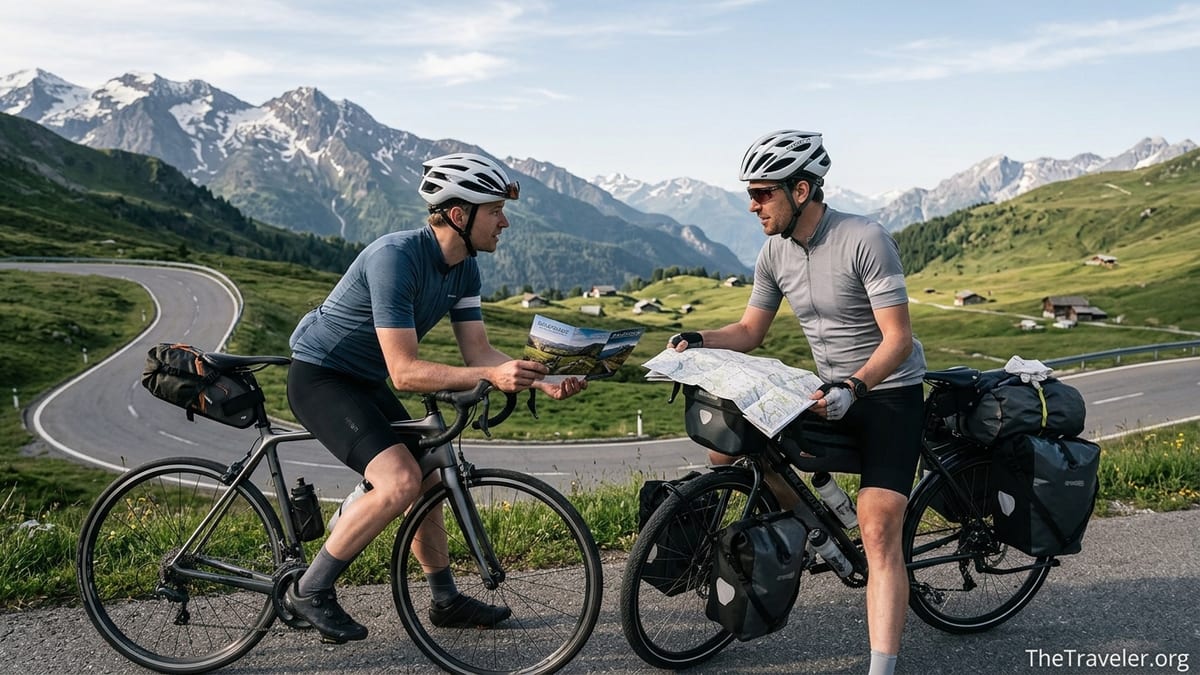
What Backroads Actually Provides on an Active Trip
Backroads is one of the best known names in high-end active travel, and its trips are structured to remove nearly all of the logistical friction. A typical U.S. bike tour, such as a five-day Blue Ridge Mountains or New England coastal itinerary, often starts around 3,600 to 4,600 dollars per person for double occupancy and runs higher for longer or more luxurious trips. That base price generally includes carefully selected hotels, most breakfasts and some dinners, bike or e‑bike use, support vans, luggage transfers and professional trip leaders who know the routes intimately.
On the road, that support is tangible. If you ride a six-day itinerary in places like Utah’s Bryce and Zion, you will usually see a leader at every key intersection, a van at scheduled snack stops and someone ready with a spare bike if your derailleur fails partway up a climb. When weather turns or you simply hit your limit, you can call it a day and hop in the van. That level of backup is a major part of what you pay for and can be especially valuable in remote mountain or desert regions where bike shops and public transport are scarce.
The group dynamic is another core feature. Backroads departures typically run with a dozen or more guests, often couples and solo travelers in their 40s through 70s who are fit and comfortable spending a premium on travel. For many, the appeal is as much about riding and hiking with like-minded people, sharing dinners and comparing mileage, as it is about the landscape itself. If you are looking for a built-in social circle and curated conversations at the hotel bar after a long day, the group format is a clear advantage.
Finally, Backroads handles the invisible details that can make or break an active trip: securing restaurant reservations in small towns, knowing which stretches of road are quieter at different times of day, and working with local outfitters for add-on rafting or wine tasting. The value of that know-how is hard to quantify but obvious when conditions change. For example, if a key mountain pass closes for construction, a company like Backroads will already have an alternate route scouted and printed before you even hear about the closure.
What It Really Costs to Go With Backroads
Comparing a Backroads trip to a self-planned itinerary means looking beyond headline prices. In the U.S., recent listings for five or six-day bike tours in popular regions such as Vermont foliage, Kentucky bourbon country or the California coast often start between about 3,600 and 5,200 dollars per person, with some marquee national park itineraries topping 6,000 dollars for six days. That does not include flights to the starting point or extra nights before and after the tour, which many travelers add to adjust for jet lag or potential airline delays.
That price, however, typically folds in mid- to high-end lodging, often in boutique inns or well-rated hotels rather than highway motels. If you priced the same rooms yourself, especially during peak foliage season in New England or summer in Yellowstone gateway towns, you could easily spend 250 to 450 dollars per night per room. Multiply that by five or six nights and you are already looking at 1,250 to 2,700 dollars of the tour price just in accommodation, before counting breakfasts, wine at dinner or entry fees for national parks.
You are also buying equipment and support. Many Backroads trips now include the use of high-quality road bikes or e‑bikes, which would cost 40 to 80 dollars per day to rent independently in popular cycling regions. Over six days, that alone can add several hundred dollars. Add in the cost of a support van, fuel, two or more full-time trip leaders, picnic lunches, snacks and luggage shuttling, and the per-day price starts to resemble what you might pay for a small, private guide service rather than a bare-bones group tour.
Travelers who have done the math often find that a Backroads-style itinerary might run two to three times the cost of a self-organized trip covering the same region and duration, especially if they are willing to stay in simpler accommodation and manage their own meals. The premium is not imaginary. It pays for comfort, convenience and risk reduction, not for a dramatically different landscape. You cannot buy better views of the Tetons, but you can buy a smoother way to experience them.
Planning an Active Trip Yourself: What It Involves
Planning your own active trip can be as simple as stringing together a few local day rides from a single base or as complex as mapping a two-week point-to-point journey across a foreign country. At minimum, you will be responsible for booking accommodation, figuring out daily mileage, identifying reasonably safe cycling or hiking routes and arranging any necessary gear, such as bike rentals or trekking poles. In return, you gain full control of your schedule and can tailor the intensity and style of the trip to your preferences.
Take a straightforward example in Europe: a week of cycling along a river route such as the Danube or Loire. With a bit of research and mapping on platforms like Komoot or other routing apps, you can construct daily rides of 30 to 50 miles, book three-star hotels or family-run guesthouses along the way and rent bikes locally. Recent price ranges for self-guided weeklong bike holidays in central Europe, including lodging and luggage transfers but excluding flights, often fall around 900 to 1,400 euros per person for seven days. If you strip it down further, carry your own bags and book budget hotels or campsites, independent travelers report getting by on 20 to 35 euros per day for food and accommodation in some regions.
In North America, a DIY approach might mean flying into a city like Portland or Denver, renting a bike from a local shop for 40 to 70 dollars per day and planning a loop through nearby wine country or mountain passes. A midrange hotel might cost 150 to 250 dollars per night in smaller towns, leaving you with a daily total comfortably under what a guided trip would charge, even after adding meals and a few paid experiences. With careful planning, a couple could easily turn what would be a single Backroads week into a two-week independent trip of similar physical challenge.
The tradeoff is time and responsibility. Planning a multi-day route involves more than just drawing a line on a digital map. You must consider road shoulder width, traffic patterns, elevation gains, water availability and backup transport options. If a bridge is closed, a storm washes out a trail or a hotel cancels your booking at the last minute, you are the operations manager who must improvise a Plan B. For travelers who thrive on problem-solving or who have experience from backpacking and long-distance road trips, that can be part of the fun. For others, the mental load can be a source of real stress.
Real-World Cost Comparisons: Backroads vs DIY
To make the decision more concrete, imagine you want a one-week cycling holiday in late summer. Option one: a six-day Backroads bike tour in the U.S. Rockies that lists from about 4,000 to 4,600 dollars per person. Add 500 to 800 dollars for flights from the East Coast, an extra hotel night before the start, and tips for guides, and a couple could easily spend around 10,000 to 12,000 dollars all-in for the week.
Option two: a self-planned six-day bike trip in the same general region. You might rent quality road or gravel bikes locally for, say, 60 dollars per day each, totaling 720 dollars for two riders. Book well-reviewed independent motels and lodges in smaller towns for an average of 180 dollars per night, which comes to about 1,080 dollars. Meals at diners, brewpubs and grocery store picnics might average 60 to 80 dollars per person per day, or roughly 720 to 960 dollars for two people across the week. Include some extras such as national park entry fees and you might spend around 3,000 to 3,500 dollars in direct costs, plus similar flights. The same couple might come in under 5,000 dollars for a week of riding, roughly half of the fully guided option.
In Europe, the spread can be similar. A high-end guided cycling holiday in Tuscany or the Dolomites marketed to North Americans often runs upwards of 4,000 dollars per person for six or seven days. By comparison, a self-guided bike holiday with luggage transfers, route maps and midrange accommodations might cost closer to 900 to 1,400 euros per person for the week, while renting an e‑bike independently for 25 to 45 euros per day and booking your own hotels might reduce it further, at the expense of more planning effort. For budget-conscious but flexible travelers, this gap in costs is often decisive.
The picture changes, however, if your time is limited and your income is high. For a busy professional in North America who can only take one one-week vacation a year, spending an extra few thousand dollars to avoid twenty or thirty hours of planning, plus on-the-road troubleshooting, may feel entirely reasonable. For a long-term traveler on sabbatical or someone stretching a modest savings account across multiple months in Europe, the math will tilt heavily toward DIY.
When Backroads Is the Better Choice
Backroads and similar companies shine in specific scenarios. The first is when you are targeting complex or remote regions where navigation is tricky and local services are thin. Think of hiking in the Scottish Highlands on little-marked trails or cycling in national park regions where distances between services can be long. In these places, having vetted routes, emergency support and local guides who know alternative trailheads can make the difference between a memorable adventure and a dangerous miscalculation.
Backroads can also be a particularly good fit for travelers who are reasonably active but not deeply experienced with multi-day trips. For example, a couple in their 50s who ride casually at home but have never done back-to-back 40-mile days might appreciate having a van nearby and leaders who can suggest shorter route options each day. The presence of e‑bikes on many departures further widens the accessibility window, allowing partners with different fitness levels to ride together without one feeling constantly over- or under-challenged.
Another strong case for Backroads is if you are traveling solo and want built-in companionship. Joining a group with a defined schedule, shared meals and pre-planned social time is often less intimidating than trying to meet other cyclists or hikers independently in each place you visit. Many solo travelers appreciate not having to eat alone in restaurants after long days outside. Several report that they stay in touch with fellow guests for years afterward, planning future adventures together.
Finally, if you care deeply about staying in stylish hotels, eating at standout restaurants and having luggage whisked ahead of you without ever strapping a pannier to your bike, an organized trip may simply align better with your version of “vacation.” You are paying to experience the outdoors during the day and a polished, comfortable environment at night, which is exactly the balance some travelers want.
When a DIY Active Trip Makes More Sense
Self-planned active travel tends to win when flexibility and immersion matter more than convenience. If you want the option to stay an extra night in a village because you loved the market or met new friends at the local wine bar, a rigid group itinerary will feel constraining. Planning your own trip allows you to adjust on the fly, whether that means taking a rest day for a festival you just discovered or detouring to a side valley other cyclists recommended over breakfast.
Budget is another clear driver. For a family of four, spending 20,000 dollars or more on a week-long guided trip is a major decision. That same family might design a two-week self-guided cycling holiday along an easy European river, renting bikes and staying in simple pensions, for a fraction of the cost. They might choose to allocate part of the savings to special experiences such as a cooking class in Florence or a private boat ride on a mountain lake.
DIY also rewards travelers who enjoy the planning process itself. If you find satisfaction in poring over topographic maps, reading local blogs and stitching together train schedules, the weeks of preparation become part of the journey. Many independent travelers describe a strong sense of ownership when they ride or hike a route they designed themselves, especially when it works smoothly. Even small choices, such as discovering a quiet bakery for your morning espresso instead of the café the group always uses, reinforce that feeling.
Independent trips are especially practical in regions with strong infrastructure for self-guided travel. Well-marked cycling paths in countries like the Netherlands, Germany and Austria, or national park trail networks in the American West, make it feasible to design safe, rewarding routes without insider connections. In these places, local tourist offices, bike shops and regional tourism boards often provide free route maps and advice, lowering the barrier to entry for first-time planners.
Hybrid Approaches: Mixing Support and Independence
Travelers are not limited to an all-or-nothing choice between Backroads and pure DIY. A growing middle ground blends professional support with independent pacing. One option is to book a self-guided package from a regional operator. These companies arrange hotels, daily luggage transfers and often bike rentals, but you navigate the route yourself using GPS tracks and printed notes. Prices for such self-guided weeklong cycling trips in Europe frequently run around 640 to 900 euros per person, undercutting fully guided tours by twenty to forty percent while preserving many of their comforts.
In North America, you might hire a local guide for just the first day or two of a trip to help you understand the terrain, safety considerations and local etiquette, then continue independently afterward. Another tactic is to book a series of single-day guided hikes or rides from a home base city such as Banff, Boulder or Girona, using local outfitters that provide bikes, shuttles and guides for specific routes. Between guided days, you can explore at your own pace, using knowledge gained from the guides to choose suitable trails.
Some travelers also “shadow” popular itineraries from companies like Backroads without formally joining a tour. They study sample itineraries published by operators, note which towns and scenic roads appear, and then build their own version using independent hotels and rentals. While this does not offer the support or spontaneity of traveling with a group, it can serve as a useful starting point for less experienced planners who want to lean on the proven logic of professional route design.
Hybrid solutions are particularly valuable for mixed-ability groups. For instance, a family might book a self-guided e‑bike tour with luggage transfers and optional van support, allowing fitter members to ride extra loops while others take shorter days, knowing that accommodation and route logistics are still handled by professionals. This can provide a Backroads-like level of security and comfort at a more moderate price point.
The Takeaway
Choosing between Backroads and planning an active trip yourself ultimately comes down to three variables: budget, appetite for responsibility and desired style of experience. Backroads offers a polished, low-friction way to see beautiful landscapes by bike or on foot, wrapped in a social, small-group setting and backed by deep logistical support. You will pay a substantial premium for that ease and companionship, but for some travelers, especially those short on time or confidence, it is money well spent.
Self-planned trips, by contrast, stretch your travel dollar dramatically and open up more flexible, immersive itineraries. They require more work before and during the journey, and they shift risk and decision-making squarely onto your shoulders. For travelers who like problem-solving, do not mind simpler lodgings and value independence, that tradeoff is part of the appeal.
If you are undecided, one pragmatic strategy is to try both models on different trips. Book a Backroads or similar tour in a region that feels intimidating or logistically complex, such as a first venture into high mountains or a country where you do not speak the language. Then, apply what you learned about pacing, route design and packing to a simpler DIY trip in a region with established infrastructure. Over time, you will get a clear sense of which style leaves you more energized and fulfilled.
There is no universal right answer, only the right answer for this trip, with your current budget, companions and confidence level. Being honest about what you want from the experience, not just the scenery, will point you toward the choice that turns your next active vacation into a highlight, rather than a headache.
FAQ
Q1. Is a Backroads trip worth the extra cost compared to planning my own?
For many travelers, Backroads is worth the premium when they value time savings, expert support and high-end lodging more than maximizing trip length per dollar. If you enjoy planning and are comfortable handling logistics and occasional problems on the road, you can often build a similar route yourself at a significantly lower overall cost.
Q2. How much more does a Backroads tour usually cost than a DIY active trip?
While exact numbers vary, a Backroads week can easily be two to three times the cost of a comparable self-planned trip, especially if you are willing to stay in simpler accommodations and manage your own meals and rentals.
Q3. Are Backroads trips suitable for beginners who are not hardcore athletes?
Yes. Many itineraries are designed for reasonably active people rather than elite cyclists or hikers, and the availability of e‑bikes and van support makes it possible to shorten days or skip tougher sections when needed.
Q4. What are the biggest risks of planning my own active trip?
The main risks are route mistakes, overestimating your fitness, unexpected closures or bad weather, and difficulties finding help or transport if something goes wrong. Good research, conservative daily distances and backup plans greatly reduce these risks.
Q5. How far in advance should I book a Backroads tour?
Popular departures, especially during summer or autumn foliage seasons, can fill many months in advance. Booking six to twelve months ahead gives you the best choice of dates, while last-minute spots are possible but less predictable.
Q6. Can I get a similar experience to Backroads with a cheaper company?
Regional operators and self-guided tour companies often offer similar routes and midrange lodging at lower prices, though they may not match Backroads on guide-to-guest ratios, hotel quality or overall polish.
Q7. How much planning time does a DIY active trip usually require?
For a one-week trip, expect at least ten to twenty hours of research and booking if you are starting from scratch, more if you are designing a complex route in a place you do not know well.
Q8. Do I need travel insurance for either option?
It is strongly recommended for both. Insurance that covers medical issues, trip interruption, lost luggage and adventure sports can protect you whether you are on an organized tour or traveling independently.
Q9. Is it easier to travel solo with Backroads or on my own?
Backroads is generally easier for solo travelers because the group structure provides instant companionship and shared logistics. Solo DIY travel is very possible but demands more initiative to meet people and manage all decisions alone.
Q10. How do I decide which option is right for my next trip?
Start by setting a realistic budget, then honestly assess how much responsibility you want during your vacation and whether you prefer social, structured days or flexible, self-directed travel. Your answers will usually point clearly toward either a guided Backroads-style tour or a self-planned adventure.