


Backroads has become one of the best-known brands in upscale active travel, running guided biking, hiking and multi-adventure trips on six continents. If you are considering handing over several thousand dollars and a precious week of vacation to a company you have never traveled with before, it is worth understanding exactly what you are buying. From price realities and route difficulty to group demographics and fine print, here is what you should know before you book a Backroads trip.
Get the latest updates straight to your inbox!
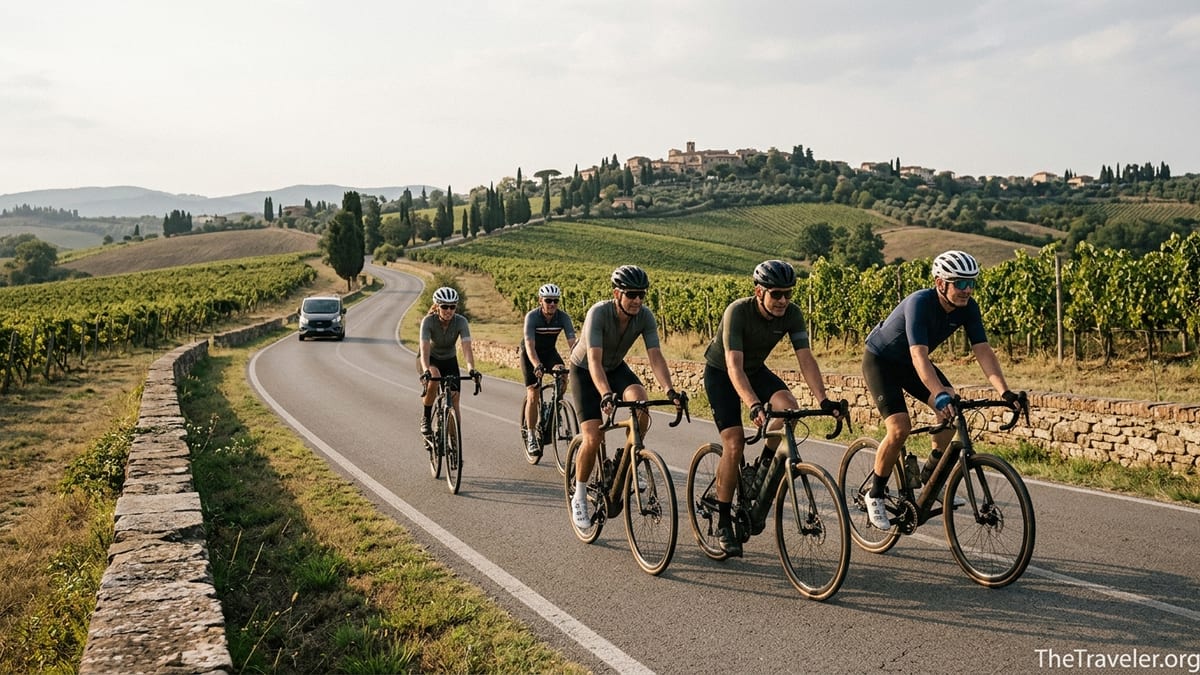
Who Backroads Is For (And Who Might Not Love It)
Backroads is designed for travelers who like the idea of an active trip, but want logistics, gear and most decisions handled for them. Typical guests are reasonably fit, often in their 40s to 70s, and want to see destinations like Tuscany, the Canadian Rockies or the Camino de Santiago in a way that feels immersive yet comfortable. Reviews and trip reports frequently mention guests who exercise a few times a week but are not hardcore cyclists or mountaineers, which shapes the way itineraries are built.
At the same time, Backroads positions itself at the luxury end of the active-travel spectrum. Trips often use boutique hotels or high-end lodges rather than simple guesthouses, and dinners may be at destination restaurants rather than casual cafes. A six-day biking trip in France or Italy commonly runs in the ballpark of several thousand dollars per person before flights, which is higher than many competitors. Travelers who are primarily price-sensitive or who are happy to camp and self-cater might find better value with more bare‑bones outfitters or self-guided trips.
The company also tends to attract travelers who like some social structure. Groups are usually small, but you will spend much of the week with the same 14 to 20 people, whether you are riding through the Spanish countryside or walking in Utah’s national parks. Guests who prefer a very independent style of travel, with spontaneous daily decisions and lots of unstructured time, may find the format too organized, while first-time solo travelers often appreciate the built-in community.
Backroads may not be the right fit if you are seeking highly technical adventures, such as mountaineering expeditions or remote, unsupported wilderness trips. The focus is on accessible challenge rather than extreme sport. Typical days involve several hours of activity on well-established routes, supported by vans and guides. If you dream of carrying a full pack into the backcountry and cooking over a camp stove, a different type of outfitter will serve you better.
Trip Styles, Destinations and What a Day Really Looks Like
Backroads runs three main types of itineraries: biking, walking & hiking, and multi-adventure, which blends activities such as cycling, hiking, kayaking and, in some destinations, snorkeling or rafting. Within those, there are classic adult departures, trips specifically for families with kids or teens, and private departures for pre-formed groups. You might see, for example, a classic biking trip through Burgundy, a family multi-adventure trip in Costa Rica, or a private hiking trip in the Dolomites.
The destinations are global and varied. Backroads operates in popular European regions like Provence, Tuscany and the Netherlands, but also in places such as Iceland, Japan and Vietnam. In the United States, there is a strong focus on national parks, including itineraries in Yellowstone and the Tetons, the Utah parks around Zion and Bryce Canyon, and Maine’s Acadia region. For example, a Utah biking and hiking trip might combine rides past redrock formations with hikes among hoodoos and evenings in a comfortable lodge, with the van ferrying your luggage between hotels.
A typical Backroads day starts with breakfast at the hotel, followed by a detailed route briefing from the leaders. On a biking trip, you might have several options: a shorter 20 to 25 mile loop, a moderate 35 to 40 mile ride, or a more challenging 60+ mile option for stronger riders. On hiking trips, the day could involve a five to nine mile route with an optional extension. The group does not move as one solid pack; instead, guests spread out at their own pace, with support vans shuttling along the route and leaders stationed at key junctions.
The social side is built into the schedule. Many itineraries include picnic lunches organized by the leaders, wine tastings or cooking demos, and group dinners. On a taste-of-the-Camino walking trip in Spain, for example, guests have described their luggage “magically” appearing in the next hotel room while they spent the day following pilgrim paths and stopping for coffee in stone villages, then regrouping for a shared dinner in the evening. Expect structured activity for most of the day, with some late-afternoon downtime before dinner.
Fitness Levels, E-Bikes and How Hard the Trips Really Are
One of the biggest concerns for first‑timers is whether they are fit enough. Backroads grades routes by “activity level,” and many itineraries offer multiple levels in the same day. On biking trips, Level 3 days typically involve around 26 to 42 miles of riding in three to five hours, often with rolling terrain. Harder Level 4 or 5 options can extend to 70 or more miles or several thousand feet of climbing for guests who want a stronger workout. Walking days might range from five miles to 13 miles, depending on the grade and route options.
Importantly, you are not locked into a single level for the entire trip. Guides usually present a menu of daily options and adjust based on how guests are feeling. On a multi-adventure itinerary that combines cycling and hiking in places like Zion or the Spanish Pyrenees, it is common for some guests to choose the easier bike loop in the morning and a longer hike in the afternoon, while others might opt for the opposite. The support vans allow for mid-day shuttles if you decide a hill was steeper than it looked on the map.
E-bikes have changed the dynamic significantly. On most bike itineraries, guests can reserve an electric-assist bike for an additional rental fee, often in the range of a few hundred dollars for a week. These bikes make it realistically possible for partners with different fitness levels to travel together on more demanding routes, such as hilly rides in the Alps or on the Amalfi Coast. Some departures are specifically labeled as “unplugged,” with only traditional road and hybrid bikes for those who prefer a classic, non-assisted ride.
Still, you should not underestimate the cumulative effect of multiple active days. Even with van support and e-bikes, you might be on your feet or in the saddle for several hours a day. Someone who rarely exercises may find a Level 3 trip in a hot climate exhausting, particularly in the middle of summer. A practical approach is to start training at least six to eight weeks before departure, even if that just means regular walks plus a couple of spin classes or hill sessions each week, so you arrive ready to enjoy the scenery rather than simply endure the distance.
What Backroads Trips Really Cost and What You Get for the Money
Backroads trips are a significant investment. Per-person land prices for six- to eight-day itineraries commonly fall in the mid four‑figure range, depending on destination and season. For example, a weeklong European biking trip in shoulder season will often price lower than a peak-summer national park itinerary or a trip that includes a small-ship river cruise. Single travelers should also factor in a single supplement if they prefer their own room, which can add a noticeable percentage to the base rate.
In return, a large portion of your on-the-ground costs are wrapped into the price. Lodging, most breakfasts, many lunches and dinners, vehicle support, guides, and high-end bikes where relevant are typically included. On a biking trip in Burgundy, that might mean a lightweight road bike or e-bike fitted to you, daily picnic spreads in vineyards, luggage transfers, route planning, and reserved tables at local bistros. On a Camino walking itinerary, it could include stays in historic inns, breakfasts and dinners, van support, and detailed cultural commentary from leaders.
There are still out-of-pocket expenses to plan for. Airfare or other transportation to the trip start and home from the trip end is never included. Some lunches and dinners will be on your own, especially in cities where guests are encouraged to explore. Alcohol is usually extra, beyond any tastings included in the itinerary. Optional pre- or post-trip hotel nights, gear you decide to buy, and gratuities for guides will also add to your total cost. In practice, many travelers find that incidentals, tips and a few independent meals can add a meaningful amount to the starting price.
Value is subjective, but it can help to compare Backroads with alternatives. When stacked against a more budget-oriented cycling company, you may find that Backroads consistently uses four- or five-star accommodations, while others pivot to mid-range hotels or guesthouses. A traveler choosing between a Backroads trip in Sicily and a similar itinerary with a lower-priced competitor might notice a difference of a couple thousand dollars per person, largely explained by hotel category, group size, and level of support. Understanding these tradeoffs in advance will help you decide whether the experience aligns with your priorities.
Booking, Deposits and the Fine Print on Cancellations
When you reserve a Backroads trip, you typically pay a per-person deposit, often in the range of several hundred dollars, to hold your spot. That deposit is generally fully refundable for a short window after booking as long as you are still well ahead of the final payment due date. For many standard departures, final payment is due roughly three months before the trip begins, though specialty departures, active cruises and private trips may have earlier due dates. The exact timing is laid out in the company’s current terms and conditions at the time you book.
The cancellation policy becomes stricter once you pass those deadlines. In general, cancelling closer to departure leads to a higher percentage of your trip cost being nonrefundable. Guests who cancel well before final payment may lose only their deposit or be able to transfer it to another departure, while those who cancel shortly before the trip may forfeit most or all of what they have paid. Importantly, there are usually no exceptions for common reasons such as illness, family emergencies, changes in work obligations or concerns about world events, unless you are covered by a separate insurance policy.
Backroads partners with a third-party travel insurance provider and also offers an optional flexible cancellation add-on that can convert a portion of your penalty into future trip credit if you need to cancel close to departure. These programs can change over time, but the broad idea is that, with the right combination of insurance and flexible cancellation coverage, you might recover much of your prepaid cost either as cash reimbursement through insurance or as a credit toward a future Backroads trip. This can be valuable peace of mind for higher-priced itineraries, especially if you are booking far in advance.
To use these protections effectively, you need to pay attention to timing. Many travel insurance policies require purchase within a set number of days after your initial trip payment to cover pre-existing conditions or to include “cancel for any reason” features. Likewise, optional flexible cancellation plans often must be added before final payment. If you are planning a major trip, such as an active cruise in the Galapagos or a multi-country biking itinerary, it is wise to speak with Backroads or your own insurance agent soon after you book, rather than waiting until a few weeks before departure.
Group Culture, Guides and the On-the-Ground Experience
The quality of your guides and group can make or break a guided trip, and Backroads invests heavily in both. Trips are usually led by two or three leaders, often a mix of local experts and veteran company staff. On the road, they handle navigation, safety briefings, daily logistics and group dynamics. Travelers often remark on details that make the week feel seamless, from water bottles topped up after every ride segment to bikes tuned overnight and picnic lunches laid out under a shady tree just as the group rolls in.
Backroads groups tend to be sociable, though not forcedly so. On a Danube bike-and-barge trip, for instance, you might find a mix of couples celebrating anniversaries, adult siblings traveling together, and a handful of solo travelers. Days are active, but evenings can feel like a dinner party with people who quickly become familiar. Demographically, guests often skew toward professionals and retirees with the means to pay for a premium trip, with a noticeable number of repeat travelers. Many trip reports mention that a significant portion of each group has traveled with Backroads before and is returning for another itinerary.
Guides also play a quiet but important role in setting the tone on the road. On a national parks hiking trip, they may stagger departures so that faster walkers start last, preventing crowding on the trail; they might quietly encourage a hesitant guest to try a short extension or help a stronger hiker find a more challenging variant. During longer van transfers, leaders often share local history or personal stories, turning what could be a dull drive into part of the experience. Gratuities, which are not included, are a standard way to acknowledge this work and should be factored into your budget.
The support level can feel almost invisible when it is working well. On a guided slice of the Camino de Santiago, for example, travelers have described arriving at a hilltop village to find cool drinks waiting in the van, or changing weather leading to a last-minute route change that still delivered views and a timely lunch. That kind of flexibility is one of the main reasons travelers choose a company like Backroads instead of trying to organize every detail on their own.
How Backroads Compares to Other Active Travel Companies
Backroads is not the only player in the active travel space, and understanding how it compares can help you decide if it is the right fit. Compared with some former mid-market brands that emphasized value over luxury, Backroads generally comes in at a higher price point, with more focus on premium lodging, extensive support and a polished, international operation. For example, where a value-oriented operator might choose a three-star hotel and a single support van, Backroads may book a four-star inn and run two vans to keep support flexible.
When measured against other upscale active travel companies, the differences become more nuanced. Some competitors specialize only in cycling, while Backroads spreads its expertise across biking, hiking and multi-adventure trips, as well as river and ocean cruise partnerships. Others may intentionally keep groups very small, capping at around a dozen guests, while Backroads departures can be somewhat larger but still well below the size of a typical coach tour. Your preference for trip style, group size and price will influence which operator feels right.
There are also regional specialists, such as small companies that focus on a single country or region, for example dedicated bike tour operators in places like Croatia or New Zealand. Those can sometimes offer more niche itineraries or lower prices, but may not match Backroads’ scale in terms of equipment fleets, backup resources if something goes wrong, or the breadth of destinations. A traveler deciding between a Backroads biking trip in Provence and a local French operator might see the trade-off as one between extensive support and local specialization.
Ultimately, the best comparison is to your own expectations. If your priority is to ride world-class routes with your luggage handled, stay in comfortable hotels and have choices each day about how hard you want to go, Backroads sits in a strong position. If you would rather sacrifice some comfort to cut the price in half, or if you want a fully independent self-guided experience, you may be better served elsewhere.
The Takeaway
Booking a Backroads trip is less like paying for a single guided hike and more like purchasing a full-service active vacation. You are buying route design, support vans, high-quality gear, experienced guides, comfortable lodging and a social framework, all woven into one package. For many travelers, especially those planning a major celebration trip or a return to active travel after a long break, that combination can be worth the premium.
To decide if Backroads is right for you, focus on a few key questions. Are you comfortable with the overall price once you factor in flights, insurance, gear and tips? Do the activity levels match your current fitness, or can you realistically train toward them? Does the idea of a structured but flexible group experience appeal to you more than planning everything independently? Honest answers will guide you toward the right decision.
If you do choose Backroads, the most satisfied travelers tend to be those who book early, read the detailed daily itinerary, train enough to feel confident, and purchase travel insurance that matches their risk tolerance. They also arrive ready to be social and flexible, knowing that weather, group dynamics and energy levels can nudge the plan in new directions. With that mindset, a Backroads trip can feel less like a packaged tour and more like a well-supported adventure with friends you have not yet met.
FAQ
Q1. How far in advance should I book a Backroads trip?
Booking several months to a year ahead is common, especially for popular summer departures in European regions or U.S. national parks, since group sizes are limited and prime dates often sell out early.
Q2. Are Backroads trips suitable for beginners?
They can be, as long as you are reasonably active and choose an itinerary with appropriate activity levels; many guests are first-timers who train a bit beforehand and use support vans or e-bikes when needed.
Q3. What is typically included in the trip price?
Most trips include lodging, breakfasts, many lunches and dinners, route planning, guide services, support vans, and high-quality bikes on cycling itineraries; flights, some meals, alcohol, insurance and tips are usually extra.
Q4. Do I need to bring my own bike or gear?
On biking trips, Backroads provides well-maintained road, hybrid or e-bikes, though you are usually welcome to bring your own saddle or pedals; you will still need personal gear such as cycling clothing, shoes and a helmet.
Q5. What happens if I cannot keep up with the group?
Backroads trips are structured so guests can move at their own pace, with support vans offering shuttles during the day, and guides routinely adjust plans and encourage route options so no one feels pressured to match the fastest participants.
Q6. Are Backroads trips family-friendly?
Yes, there are specific family and teen departures designed around school holidays, with activities and pacing tailored to kids and teens, plus flexible options so parents and children can choose different daily routes if they wish.
Q7. How much should I budget for tips and extras?
Exact amounts vary, but many travelers plan for several hundred dollars per person in gratuities for guides on a weeklong trip, plus extra for independent lunches, dinners, drinks, and any gear or souvenirs.
Q8. What if the weather is bad during my trip?
Guides typically adjust routes, timing and activities based on conditions, sometimes shortening rides, swapping days around or adding cultural stops, so you remain active and safe even if the weather does not cooperate.
Q9. Can I travel solo on a Backroads trip?
Many guests do, and solo travelers often find Backroads a comfortable environment with shared meals and activities; you can pay for a private room or, on some departures, request a roommate to avoid the full single supplement.
Q10. How does travel insurance work with Backroads bookings?
Backroads recommends, but does not require, travel insurance; you can purchase a policy through their preferred partner or use your own provider, and it is wise to compare coverage for medical issues, trip cancellation and delays before you finalize your plans.