


More news on this day
Hundreds of passengers arriving on international flights at Orlando International Airport say they were trapped in the federal inspection area for more than five hours after a major baggage delay, with some reporting they were warned they could face arrest if they attempted to leave without their checked luggage.
Get the latest news straight to your inbox!
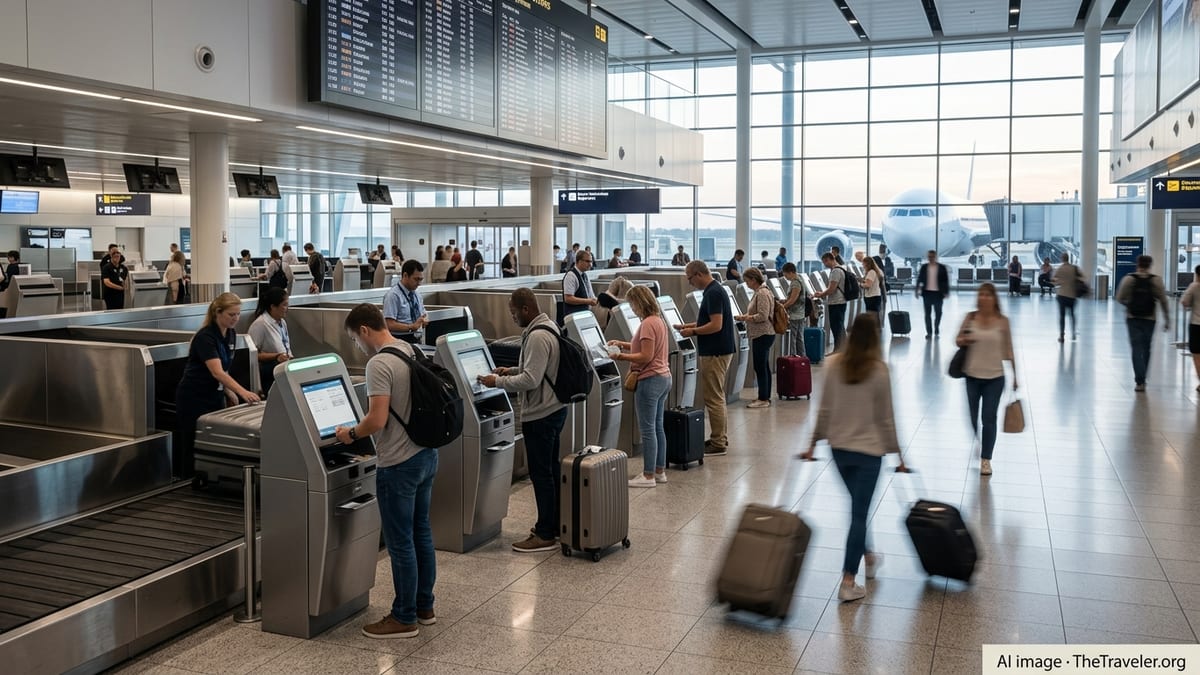
Hourslong Waits Leave Families Sleeping on Terminal Floors
Reports from passengers arriving at Orlando International Airport over the weekend describe a chaotic scene in the international arrivals area, where roughly 800 travelers from multiple long-haul flights were left waiting for luggage late into the night. According to published coverage and social media posts, the disruption primarily affected passengers on Virgin Atlantic services from the United Kingdom, whose bags did not appear on carousels until four to five hours after landing.
Parents described young children stretched out across the tile floor of the customs hall as the wait dragged on, while other travelers tried to rest against walls or on their carry-on bags. Some passengers said they had already spent eight to ten hours in the air before facing the additional delay, leaving them exhausted and with limited access to food or drinking water.
Images circulating online showed packed baggage claim areas with few available seats and passengers clustered around empty carousels. Several accounts indicated that airport concessions near the international arrivals zone were closed or had limited operating hours at the time, leaving many people to rely on snacks brought from the plane or vending machines.
Publicly available flight-tracking information and airport status boards for the same period show a pattern of weather-linked disruptions across Central Florida, with earlier storms contributing to a backlog of operations and baggage handling that continued into the night.
Confusion Over Threats of Arrest for Leaving Without Luggage
What turned an already difficult night into a flashpoint for traveler frustration were reports that some passengers were told they could be detained or arrested if they tried to leave the customs area without their checked bags. Several travelers recounted being warned that exiting would violate federal rules, prompting many to remain in place even as the hours passed with little clarity about when baggage delivery would resume.
Accounts collected by local outlets describe passengers asking whether they could file missing-bag reports and depart, only to be told that leaving was not an option. Some said they feared jeopardizing their immigration status or future travel if they ignored the instructions, even as fatigue and anxiety grew among the crowd.
Subsequent public statements referenced in news coverage indicate that neither the airport operator nor local law enforcement agencies acknowledged issuing formal arrest threats. Instead, officials pointed to the standard requirement that international arrivals complete customs processing in a secure area, which typically involves collecting all checked baggage before proceeding to exit checkpoints.
Aviation attorneys interviewed in prior cases have noted that there are procedures that, in some circumstances, allow international passengers to be released without bags if airlines document items as delayed or mishandled. However, travelers at Orlando said that option was not clearly explained or made available during the incident, leaving them uncertain about their rights.
Weather, Staffing and System Strain Behind Baggage Backlogs
The disruption unfolded against a backdrop of repeated operational strains at Orlando International Airport in recent months. Severe thunderstorms and unstable summer weather have produced rolling delays across Florida, with Orlando often appearing among the U.S. airports with the highest share of late or canceled flights. Such disruptions can ripple into ground operations, particularly baggage systems that rely on tightly choreographed staffing and conveyor capacity.
In earlier advisories, Orlando airport has warned that intense weather can slow both flight operations and baggage delivery, as ramp workers are sometimes required to halt activity during lightning and high winds. When flights then arrive in clusters after a ground stop, incoming bags can overwhelm carousels and sorting points, especially during peak tourism periods when international services are heavily loaded with checked luggage.
Longer term, Orlando’s airport authority has acknowledged baggage handling as a pressure point for the fast-growing hub. Past planning documents have referenced efforts to upgrade systems at the older terminals and to contract additional support for moving bags to remote screening areas, in part to reduce congestion at main baggage halls. Despite those investments, recurring reports of lengthy waits suggest that surges in demand and weather volatility continue to test the system.
Travel analysts note that airports serving major theme park destinations are particularly vulnerable to baggage strain because leisure travelers often check more bags than business passengers, including strollers, car seats and oversize items. On days when storms disrupt tightly packed arrival banks, even modest staffing shortages or equipment outages can quickly cascade into hourslong delays.
Passenger Rights and What Travelers Can Do in Similar Situations
The Orlando incident has renewed questions about what rights international passengers have when baggage delivery stalls for hours and whether they can choose to leave without their checked items. Consumer advocates point out that, in general, airlines are responsible for transporting luggage and for documenting when bags are delayed or mishandled, which can allow travelers to file claims and continue their journeys.
However, those general principles intersect with customs and border protection rules in international arrival zones, where passengers are expected to present all their belongings, including checked bags, for potential inspection before entering the country. In practice, this can limit the ability of travelers to walk away from luggage that is still in a secure handling area, particularly if there is no clear process in place for documenting the delay.
Specialists in air travel advise passengers caught in similar situations to request written confirmation from their airline that bags are delayed and to ask whether customs officials will permit exit based on that documentation. They also recommend that travelers keep essential medications, valuables and at least a day’s worth of clothing in carry-on bags to reduce the impact if checked luggage is significantly delayed.
In the wake of high-profile disruptions, some airports and airlines review communication protocols to ensure that frontline staff provide consistent information about options, including when passengers may safely leave, how to file baggage claims and how to seek reimbursement for necessary purchases while separated from their belongings.
Growing Scrutiny on Orlando’s Reliability as a Tourist Gateway
The baggage backlog adds to a series of high-visibility operational challenges at Orlando International Airport during one of the busiest travel periods of the year. The airport, which serves as a primary gateway to Central Florida’s theme parks and cruise terminals, has already faced recent scrutiny over flight delays and crowding in ticketing halls and security checkpoints.
Travelers and local commentators have increasingly taken to social platforms to question whether Orlando’s infrastructure and staffing are keeping pace with record passenger volumes. Posts describe long security lines, crowded gate areas and limited seating near baggage claim, contrasting the facility’s modern Terminal C with more dated spaces elsewhere on the campus.
Industry observers say that incidents such as the prolonged baggage delay risk eroding the airport’s reputation with international visitors, many of whom are arriving with families for milestone vacations. For those travelers, spending the first night of a long-planned holiday sleeping on a customs hall floor can shape their view not only of the airport but of the destination itself.
While detailed internal reviews of the latest disruption had not yet been made public, the scale of the delays and the volume of passenger complaints are likely to fuel calls for clearer contingency plans. Travelers and advocacy groups are expected to press airlines, ground handlers and airport managers to spell out how they will avoid a repeat of hundreds of passengers being stranded for hours in a secure area with little information and no clear path to leave.