


More news on this day
Eurostar services between London and Amsterdam are facing major disruption after a cable duct fire near Rotterdam damaged key rail infrastructure, prompting the operator to cancel or divert several trains at the height of the summer travel season.
Get the latest news straight to your inbox!
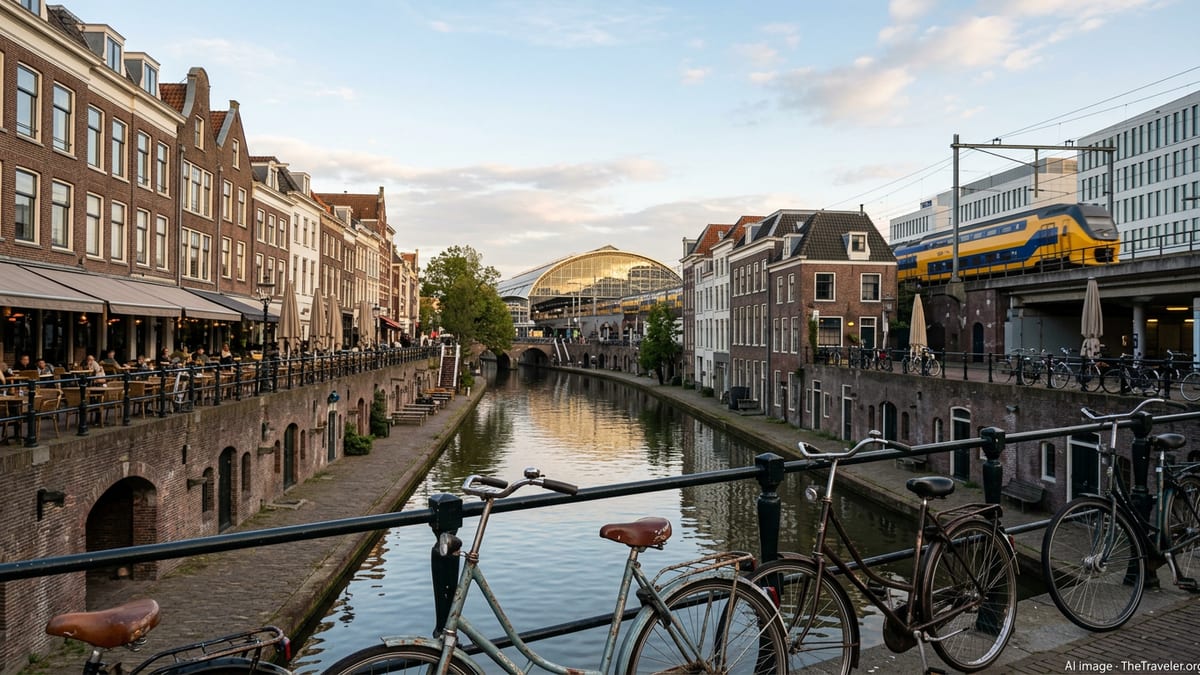
Fire near Rotterdam cripples key north–south corridor
Reports from Dutch rail outlets indicate that a fire in a cable duct near Rotterdam on 29 June damaged power and signalling equipment on one of the country’s busiest rail arteries. The affected section, south of Rotterdam, is critical for both domestic intercity traffic and international services linking the Netherlands with Belgium, France and the United Kingdom.
The incident led to a widespread power cut on parts of the network around Rotterdam. Publicly available information from Dutch media and rail infrastructure updates shows that services through the area were either halted entirely or forced to take long detours, producing delays, cancellations and significantly reduced capacity.
The disruption came on top of an extended period of strain on the rail network in northwestern Europe, where heat-related restrictions and previous infrastructure works had already led to timetable changes and precautionary cancellations across several operators.
London–Amsterdam Eurostar trains cancelled or skipping Dutch stops
According to Eurostar’s latest disruption notices, multiple trains on the London–Amsterdam route have been cancelled outright or are operating without their usual stops in Amsterdam Centraal and Rotterdam Centraal on 29 and 30 June, with impacts expected to spill over into early July. Some services that normally run through from London to the Dutch capital are instead terminating in Brussels, effectively suspending the cross-border leg between Belgium and the Netherlands for those departures.
The operator’s travel updates page lists several train numbers where Amsterdam and Rotterdam calls are removed, noting that the trains “will not be stopping” at those stations because of the power issues around Rotterdam. In practical terms, this means passengers booked from London to Amsterdam or Rotterdam on affected services are being left with only a partial journey, while travellers starting in the Netherlands are finding that their trains no longer depart from the advertised stations.
Reports shared by passengers on travel forums and social platforms suggest that some Amsterdam to London trains were cancelled at short notice, with rebooking options limited for at least the next one to two days. Several travelers describe being advised to reroute via Brussels or Paris, or to postpone their trips until the Dutch network has more capacity restored.
Knock-on effects for summer holidaymakers and business travelers
The timing of the Rotterdam incident is particularly challenging for cross-Channel rail users, coinciding with the start of the busy summer holiday period and a lingering regional heatwave. In recent days, Eurostar had already been canceling or rescheduling some services between London, Paris and the Netherlands due to high temperatures affecting infrastructure and rolling stock.
Public information from Eurostar shows that the operator has been encouraging flexibility, offering free changes on certain tickets where severe weather or infrastructure disruption is likely. Passengers impacted by the Rotterdam-related cancellations are being directed to manage their bookings online where possible, though anecdotal accounts indicate that popular alternative departures are quickly selling out.
Business travelers relying on the high-speed route between London and Dutch cities are also feeling the impact, with some reporting the need to switch to last-minute flights or slower rail and ferry combinations. The interruption underscores how dependent international journeys in this corridor are on a relatively small number of high-speed paths across national networks.
Alternative routes and what affected passengers can expect
Travel advice circulating from rail information services in the Netherlands suggests that passengers needing to move between Amsterdam, Rotterdam and London during the disruption should consider splitting the journey. One commonly recommended option is to travel on domestic or intercity services to Brussels, where many Eurostar trains are still operating toward London on a more regular pattern.
For some Amsterdam and Rotterdam passengers, the practical workaround involves taking Dutch domestic trains to alternative hubs that still have connections toward Belgium, then boarding Eurostar from Brussels Midi. However, published accounts from travelers indicate that ongoing infrastructure problems south of Rotterdam are limiting the reliability of that plan, and longer journey times should be expected.
Under European rail passenger regulations, customers whose trains are cancelled or significantly delayed may be entitled to refunds or partial compensation, depending on ticket type and actual delay. Publicly available guidance from consumer groups advises affected travelers to keep records of additional expenses such as hotels or replacement tickets, as these may be relevant in any subsequent claims.
Unclear timeline for full restoration of services
Information from Dutch rail sources indicates that damage to the cable duct near Rotterdam is extensive and that the replacement of affected power and signal lines could take several days. Local reports mention that no through traffic is expected on the worst-affected stretch until at least later in the week, leaving international timetables in flux.
Eurostar’s own updates reference “major disruption” in the Netherlands across 29 and 30 June and caution that services are “severely disrupted and extremely limited.” Some notices extend disruption expectations into 1 and 2 July, particularly for trains that normally start or end their journeys at Amsterdam Centraal or Rotterdam Centraal.
For now, travelers planning to use the London–Amsterdam route are being urged, through publicly accessible advisories, to check train status repeatedly in the hours before departure and to consider postponing nonessential trips. As repair work progresses and capacity returns on the Dutch network, operators are expected to phase back in the direct services that have become a popular low-carbon alternative to short-haul flights between the United Kingdom and the Netherlands.