


More news on this day
Bahrain is re-emerging on the British holiday map after the United Kingdom eased its security guidance for the Gulf kingdom in the wake of a United States Iran memorandum of understanding, a shift that is encouraging major hubs such as Dubai, Doha, Riyadh, Muscat and Kuwait City to accelerate efforts to restore traveller confidence across the region.
Get the latest news straight to your inbox!
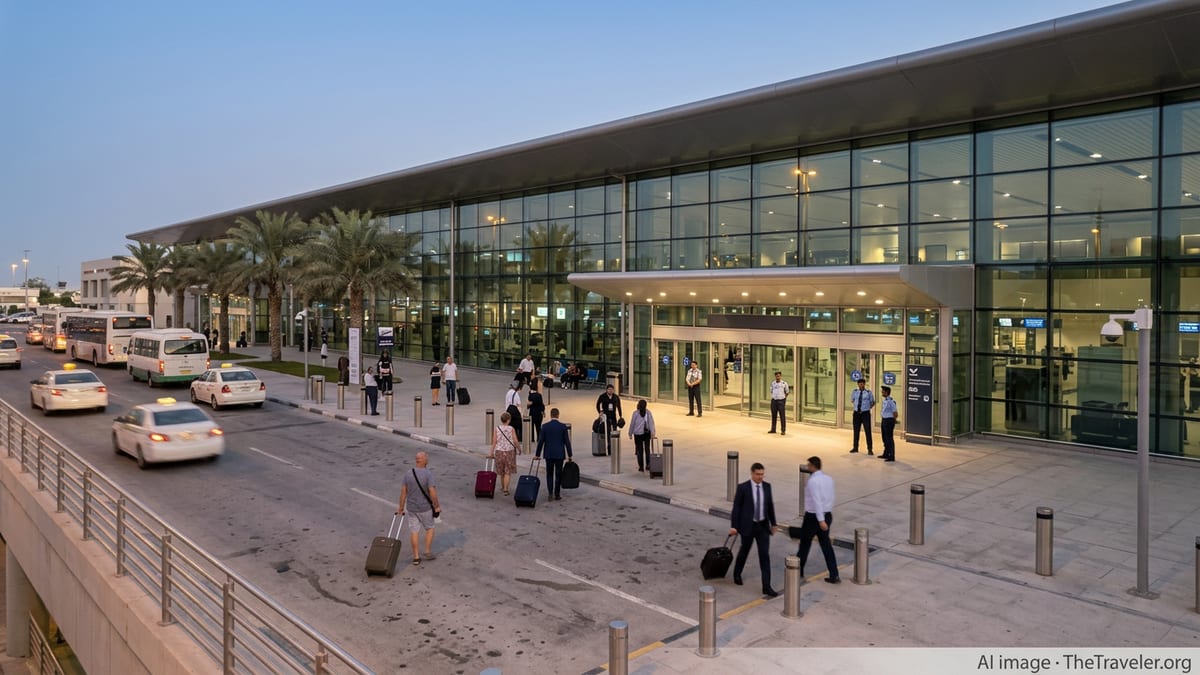
UK Eases Stance on Bahrain After US Iran Memorandum
Publicly available information from British government advisories shows that, following the signing of a United States Iran memorandum of understanding in mid June 2026, the United Kingdom has adjusted its security posture toward several Gulf states, including Bahrain. Specialist risk assessments indicate that the UK Foreign, Commonwealth and Development Office has downgraded its previous high alert status for Bahrain and neighbouring countries, removing broad advice against non essential travel for British nationals.
Security briefings produced for corporate travellers report that the revised UK guidance came shortly after Washington and Tehran agreed to a 14 point memorandum intended to halt hostilities, reopen the Strait of Hormuz and provide a framework for sanctions relief. Analysis by think tanks and law firms notes that the memorandum is not a final peace settlement, but it has reduced immediate military escalation risks that had weighed heavily on aviation and tourism throughout early 2026.
For Bahrain, which had faced missile threats, airspace disruptions and elevated insurance premiums during the conflict, the softening of British travel warnings is viewed within the tourism sector as a crucial signal to airlines, tour operators and travel insurers. Industry commentaries suggest that carriers are already reviewing capacity, while hotel groups are preparing marketing campaigns aimed at British leisure travellers and weekend visitors from the wider region.
Reopening Hormuz Resets Risk Calculus for Gulf Travel
The memorandum of understanding between the United States and Iran, signed electronically in the second half of June, calls for a permanent end to active hostilities and the reopening of the Strait of Hormuz. Policy and maritime briefings highlight that the corridor previously handled a significant share of global oil and liquefied natural gas, and that earlier closures and attacks on vessels had unsettled aviation and cruise itineraries that rely on predictable regional security conditions.
Conflict monitoring services point out that the memorandum introduces a 60 day negotiating window, during which both sides have pledged to maintain a ceasefire while working toward a broader nuclear and sanctions agreement. Analysts caution that the arrangement leaves difficult questions unresolved, including the long term security architecture for the Gulf and the future governance of maritime routes, but the immediate effect has been a reduction in missile and drone activity targeting Gulf cities and infrastructure.
Travel risk consultancies note that, even with a ceasefire, formal government advisories continue to emphasise vigilance in the Persian Gulf and Gulf of Oman, particularly for commercial shipping. However, the easing of large scale hostilities has already allowed airlines to reassess routings that had been diverted away from Iranian airspace and key Gulf hubs earlier in the year. This recalibration is seen as a prerequisite for any sustained rebound in visitor numbers to Bahrain and its neighbours.
Dubai, Doha and Riyadh Move to Rebuild Visitor Confidence
Across the wider region, leading tourism and aviation centres such as Dubai, Doha and Riyadh are using the relative lull in tensions to refocus on recovery. Industry digests tracking hotel performance and flight schedules report that occupancy and load factors dropped sharply in March and April as the war escalated, business events were postponed and many travellers chose to connect through alternative hubs in Europe and Asia.
Recent commentary from travel and hospitality analysts indicates that these cities are now pushing forward with coordinated campaigns to reassure visitors. Measures include visible security protocols at airports, flexible booking policies, and targeted promotion of stopover programmes that were central to pre conflict growth strategies. Airlines based in the United Arab Emirates and Qatar are gradually reintroducing frequencies on key European and Asian routes, signalling greater confidence that the memorandum will hold at least in the short term.
Riyadh, which has been investing heavily in its Vision 2030 tourism projects, is also reported to be recalibrating timelines rather than cancelling major developments. Large scale entertainment districts, new airport expansions and giga projects remain on the agenda, and Saudi tourism authorities are expected to lean on domestic and regional markets first while long haul travellers reassess their appetite for the Middle East.
Muscat and Kuwait City Emphasise Stability and Stopovers
In Oman and Kuwait, publicly available travel updates and regional commentary suggest that authorities and industry stakeholders are framing their tourism propositions around stability and connectivity. Muscat has traditionally positioned itself as a quieter alternative to the larger Gulf hubs, promoting coastal resorts and heritage sites that appeal to European and regional travellers seeking shorter stays. With the easing of UK alerts and the de escalation signalled by the US Iran memorandum, Omani hotels and tour operators are expected to highlight calm conditions and outdoor experiences away from conflict zones.
Kuwait City, which faced missile threats during the height of the fighting, is focusing on restoring its role as a niche business and transit destination. Aviation analysts report that local carriers are reviewing network plans that had been disrupted by airspace closures and risk premiums. Improved risk ratings from international insurers and more moderate government advisories are anticipated to support the gradual return of expatriate families and short break visitors who had postponed trips in recent months.
Both Muscat and Kuwait City are also watching developments in regional security cooperation closely. Policy research indicates that Gulf states are seeking to strengthen collective defence mechanisms and diversify security partnerships, steps that, if successful, could underpin a more durable sense of safety for visitors over the coming years.
A Cautious but Real Travel Recovery for the Gulf
Travel and security experts broadly characterise the current phase as a tentative recovery rather than a full return to pre crisis normality. While the memorandum between Washington and Tehran has calmed immediate fears of a wider regional war, think tank assessments stress that it is an interim political framework subject to complex follow on negotiations over nuclear monitoring, sanctions relief and the role of non state armed groups.
For British travellers, the recalibration of UK guidance toward Bahrain and other Gulf destinations signals a recognition that the most acute phase of the crisis has passed. Tour operators and airlines are likely to respond as demand returns, particularly for winter sun holidays, city breaks and long haul itineraries connecting through Gulf hubs. Nonetheless, industry briefings continue to advise that travellers monitor official advisories, maintain flexible itineraries and pay attention to any renewed tensions that could affect airspace or local security conditions.
Across Bahrain, Dubai, Doha, Riyadh, Muscat and Kuwait City, tourism planners appear to be treating the current environment as an opportunity to reinforce resilience. Investments in diversified source markets, upgraded infrastructure and enhanced crisis communication are emerging as central themes. Whether the Gulf’s travel revival becomes a sustained story will depend on how the diplomatic process between the United States and Iran evolves, and on the region’s ability to translate a fragile ceasefire into a more predictable climate for visitors.