


More news on this day
Flight-tracking data and regional air-traffic reports indicate that a fresh wave of disruption centered on Bangkok is affecting air travel across Asia, with 2,316 services delayed and 143 cancelled across 16 airports, complicating weekend and early-week travel plans for thousands of passengers.
Get the latest news straight to your inbox!
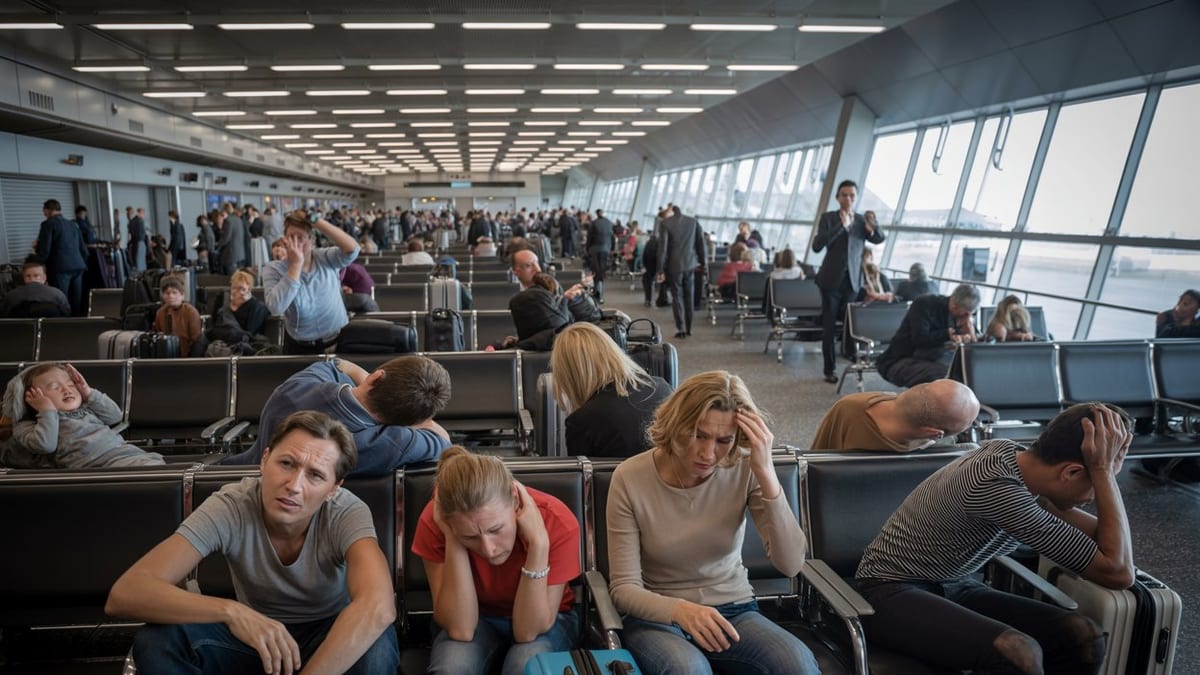
Bangkok Emerges as the Epicenter of Regional Disruption
Bangkok’s dual-airport system at Suvarnabhumi (BKK) and Don Mueang (DMK) is handling more than 2,300 commercial movements per day in late August 2026, according to aeronautical data published by Aeronautical Radio of Thailand. On 21 August, the Bangkok Flight Information Region handled 2,311 commercial flights in 24 hours, underscoring how even modest schedule shocks can rapidly cascade through regional networks.
Live airport dashboards for Suvarnabhumi show a steady flow of long-haul and regional services operating on 23 August, but flight-status trackers point to growing punctuality issues on key intra-Asian routes. Services between Bangkok and Singapore, Hong Kong, and major resort destinations are showing departure times pushed back by 30 to 90 minutes, contributing to the large tally of delayed operations and a rising count of outright cancellations.
Traffic statistics suggest that the current pattern is not a full-scale operational shutdown but a sustained period of strain in which capacity, weather, and scheduling buffers are misaligned. In a system that normally expects on-time departure rates above 80 to 85 percent on most trunk routes, a sudden spike in delayed departures centered on Bangkok quickly translates into missed connections and equipment rotations throughout Asia.
Delays on Bangkok–Singapore and Island Routes Highlight Strain
One of the clearest illustrations of the disruption is the Bangkok–Singapore corridor, one of Southeast Asia’s busiest city pairs. Flight-status data for Scoot’s TR611 service from Bangkok to Singapore on 23 August shows a new departure time of 20:05, more than an hour later than originally timetabled, with arrival pushed back to after 23:00 local time in Singapore. This comes on top of earlier days in August when the same route logged average delays of around 50 minutes.
Short-haul links from Bangkok to Thai island destinations are also under pressure. Trip-based data for Bangkok Airways routes between Bangkok and Phuket, and posts from recent travelers on the Bangkok–Koh Samui sector, indicate repeated late departures and, on certain days earlier in August, clusters of same-day cancellations. These problems are particularly disruptive because many travelers use Bangkok as a gateway to connect from long-haul flights onto domestic island services on tight margins.
Within Thailand’s southern Gulf, limited airline competition and constrained slot availability at privately operated Samui Airport leave few alternatives when schedules are disrupted. Recent traveler discussion highlights days with “barely any flights” on the Bangkok–Samui axis, leading some visitors to reroute via ferries and mainland airports such as Surat Thani and then continue to Bangkok or other Thai hubs on separate tickets.
Knock-on Effects Across 16 Asian Gateways
Because Bangkok functions as both a destination and a through-hub for many regional carriers, delays there ripple outward to other Asian airports. Publicly available timetables show Bangkok-origin and -bound flights connecting to hubs such as Singapore, Hong Kong, Tokyo, Seoul, and Sharjah, with aircraft cycling through multiple intra-Asia legs each day. When an early Bangkok departure leaves late, every subsequent segment on that aircraft is vulnerable to further delay.
Data from flight-information services for routes such as Sharjah to Bangkok, as well as daily arrival and departure boards at Suvarnabhumi, illustrate how tightly scheduled many of these aircraft rotations are. A slip of even 30 minutes on an inbound leg can reduce or eliminate ground turnaround buffers, leaving minimal resilience when crews, ground handling, or weather introduce additional variability.
The 16 airports referenced in current tracking tallies span both major hubs and secondary cities, including leisure gateways that rely heavily on seasonal traffic. While the absolute number of cancellations, at 143, remains a small fraction of total scheduled operations, the concentration of these cancellations on specific days and routes has an outsized impact on passengers, particularly those traveling on separate tickets or low-cost carriers without protected connections.
Traveler Experience: Missed Connections and Limited Alternatives
The practical effect of the disruption is most visible in traveler experiences reported in real time. Recent posts from passengers in Bangkok and Koh Samui describe back-to-back late departures on Bangkok Airways island services and a perception that certain afternoon and evening banks of flights are “often delayed.” Such accounts align with statistical snapshots showing flights in these banks departing significantly behind schedule on multiple consecutive days.
For travelers originating outside Thailand who connect through Bangkok, even moderate delays create uncertainty about onward legs, hotel check-ins, and ground transportation. Passengers on flights like TR611 to Singapore or regional services toward South Asia and East Asia face similar challenges when their Bangkok departure is pushed into late evening hours, compressing rest time before early-morning onward connections or business commitments.
Some travelers are responding by building in larger layover buffers at Bangkok, avoiding last flights of the day on island sectors, or routing via alternative hubs such as Kuala Lumpur and Singapore when possible. However, during peak holiday periods, seat availability on workaround routes can be limited, making it difficult to rebook at short notice when cancellations occur.
What the Data Suggests for the Coming Days
Operational dashboards from Thailand’s air traffic management system, including airport demand and capacity displays around Bangkok, show continued high traffic volumes into the final week of August. Suvarnabhumi and Don Mueang together remain near or above 2,200 daily commercial movements, according to recent Aeronautical Radio of Thailand traffic summaries, suggesting that pressure on the system is unlikely to ease immediately.
In this environment, even routine factors such as localized thunderstorms, temporary runway works, or minor ground-handling delays can precipitate a fresh round of schedule adjustments. With multiple carriers operating tightly banked departures out of Bangkok to hubs across Asia, airlines have limited room to absorb further shocks without additional delays or selective cancellations.
For upcoming trips through Bangkok and the 15 other affected airports, publicly available guidance from travel platforms emphasizes frequent status checks via airline apps or airport screens, allowing extra time for connections, and considering travel insurance that specifically covers delays and missed connections. While the current disruption does not reflect a long-term closure or safety issue, it highlights how quickly Asia’s dense, interlinked air networks can become vulnerable when a key hub like Bangkok experiences sustained operational strain.
Aeronautical Radio of Thailand – flight statistics
Scoot TR611 Bangkok–Singapore status
Bangkok Airways Bangkok–Phuket status