


More news on this day
Persistent operational strains at Bangkok’s two main airports in August 2026 have cascaded across Asia’s aviation network, contributing to more than 2,300 delayed flights and widespread schedule disruption at 16 major regional hubs.
Get the latest news straight to your inbox!
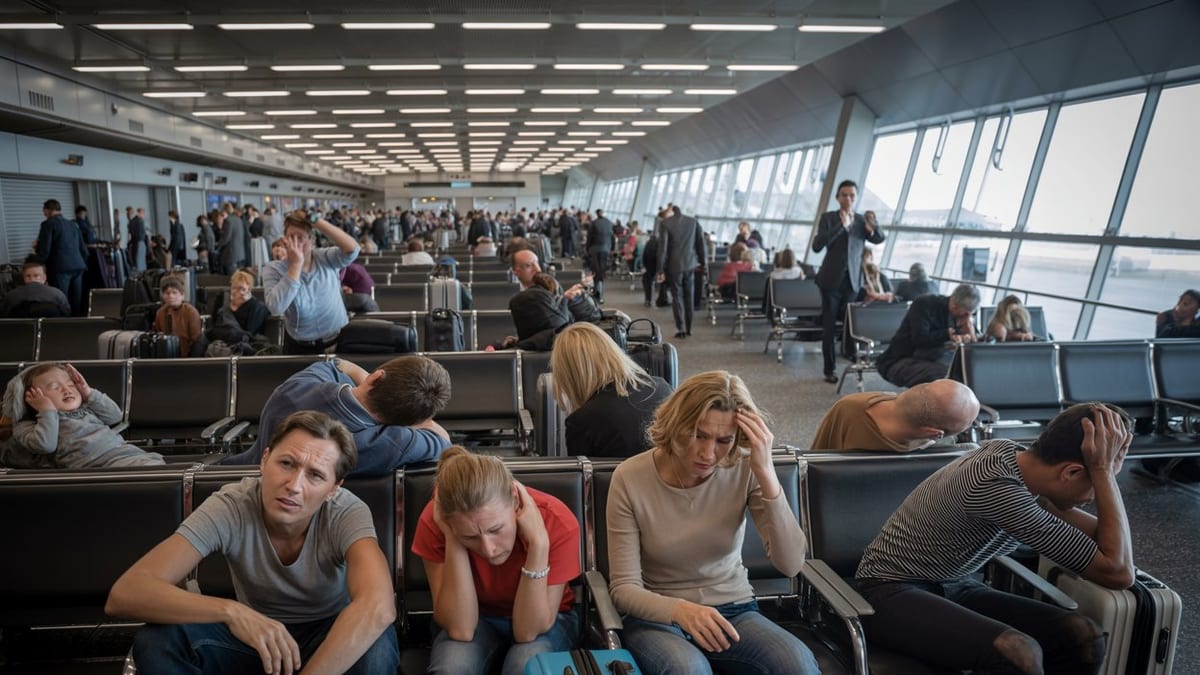
Bangkok Bottlenecks Turn Local Issues Into Regional Delays
Bangkok’s Suvarnabhumi (BKK) and Don Mueang (DMK) airports continue to operate under heavy pressure during the peak August travel period, with live departure and arrival boards showing repeated late departures, rolling delays and short-notice cancellations on both domestic and international routes. Publicly available flight-tracking data for mid to late August indicates multiple services from Bangkok departing well behind schedule, including regional routes to Tokyo, Penang and island destinations in southern Thailand.
These punctuality problems at Bangkok have had an outsized impact on cities that rely on Thailand’s capital as a transfer gateway. Regional carriers route passengers and aircraft through Bangkok to connect onward to Japan, India, mainland China, Malaysia, Singapore and the Philippines. When aircraft and crews are held up in Bangkok, knock-on delays typically appear hours later at secondary hubs across the region, compounding the disruption.
Reductions in scheduled capacity have not been enough to prevent congestion. Several Thai carriers moved earlier in the summer to pare back frequencies on international routes from Bangkok, but August has still brought tight aircraft utilization and limited slack in the system. As a result, even minor issues have tended to cascade into long queues at gates, extended waits on taxiways and missed connections for transfer passengers.
Fuel Costs, Capacity Cuts and Strained Schedules
Published coverage of Thailand’s aviation sector in June and July 2026 highlighted a sharp spike in fuel costs and an associated cutback in scheduled flights by Thai airlines, including Thai Airways, Thai Lion Air and Thai AirAsia. Reports described thousands of cancellations and a substantial loss of available seats across the network as carriers tried to contain operating expenses while preserving core routes out of Bangkok.
Industry schedule data compiled by specialist route-tracking services shows how aggressively some operators trimmed their international operations ahead of the August peak. One low-cost carrier reduced more than half of its international departures from Thailand in June, with further cuts into July, including suspensions or heavy reductions on services from Bangkok to cities in China, India and Southeast Asia. These measures were designed to stabilize operations but also concentrated traffic onto remaining flights, raising load factors and leaving fewer options when irregular operations occurred.
At the same time, Thailand’s air navigation service provider extended temporary relief on air navigation charges for July and August 2026, aiming to ease cost pressures and encourage airlines to maintain connectivity. Public statements around that policy emphasized efficient airspace management to minimize delays, yet the combination of high demand, leaner schedules and ongoing fleet and crew constraints meant that bottlenecks still emerged around Bangkok, especially during peak morning and evening waves.
Island Links and Regional Gateways Hit Hardest
The disruption has been particularly visible on the heavily trafficked Bangkok–Koh Samui corridor, a key link for international tourists connecting through Bangkok to the island. Passenger reports shared on public forums through July and August describe repeated delays, last-minute timetable changes and sharply reduced availability on Bangkok Airways services between the capital and Samui. Some travelers have reported being automatically rebooked via Phuket or facing limited alternatives when flights were canceled or retimed at short notice.
These operational issues on domestic island routes have fed into wider regional disruption, as delayed inbound flights from Samui and other Thai destinations arrive late into Bangkok and miss onward departure slots. When aircraft scheduled to continue from Bangkok to regional hubs such as Hong Kong, Singapore, Kuala Lumpur or Manila arrive behind schedule, downstream flights often push back late or require substitution, contributing to the overall tally of more than 2,300 delays across 16 Asian airports over the month.
Secondary gateways that rely on Bangkok as a feeder, including Penang and various provincial airports in East and Southeast Asia, have also experienced off-schedule arrivals. Live-tracking data in mid to late August shows multiple Bangkok-originating services into regional airports operating significantly behind timetable, reinforcing the picture of a stressed network built around a congested central hub.
Knock-On Effects for Travelers and Airlines
For travelers, the cumulative impact of these disruptions has included missed connections, overnight stays, rerouting through alternative hubs and, in some cases, the need to abandon original itineraries. Airline customer-notification systems have issued repeated schedule-change emails to passengers transiting Bangkok, as timetables are adjusted to reflect reduced frequencies and updated operating times.
On the airline side, the situation has demanded intensive operational juggling. Carriers have drawn on spare aircraft where possible, swapped equipment on short notice and adjusted crew rosters to keep as much of the network running as feasible. However, public flight-status portals continue to show a pattern of late departures from Bangkok on a range of carriers, from full-service airlines to low-cost operators, underlining how difficult it has been to restore punctuality while fuel prices remain elevated and fleets are stretched.
Tourism and business travel flows across Asia are also feeling the effects. Bangkok’s status as a popular transfer point for travelers from Europe, the Middle East and North Asia heading to beach destinations or secondary cities in the region means that delays there can reverberate widely. Travel agents and booking platforms have begun flagging the possibility of irregular operations on some Bangkok-centered itineraries for August, and some travelers appear to be favoring itineraries that route through alternative hubs when schedules permit.
Prospects for Stabilization Heading Into Autumn
Looking ahead to September and the autumn shoulder season, publicly available information suggests that Thai carriers are seeking a more sustainable balance between capacity and demand. Seasonal timetable adjustments filed earlier in the year already envisioned frequency changes on several Asian routes from late August and early September, which may help relieve pressure on aircraft utilization and improve on-time performance if demand moderates after the peak.
Policy measures such as temporarily reduced air navigation charges are scheduled to cover at least July and August 2026, and further decisions on cost-relief and slot coordination could shape how quickly operations normalize at Bangkok’s airports. Industry observers will be watching load factors, cancellation rates and average delay times through September to gauge whether the worst of the disruption has passed or whether structural capacity constraints continue to limit reliability.
For now, the August figures tell the story of a regional network under strain, with Bangkok at its center. Travelers planning to connect through Thailand’s capital in the near term are widely advised by airlines and booking platforms to allow generous connection times, monitor flight-status updates closely and remain prepared for last-minute changes as carriers and airports work to reduce the backlog of delays that has rippled across 16 Asian hubs.
Sources: Nation Thailand; AeroRoutes; Avionio live flight data; r/kohsamui community reports