


More news on this day
A BC Ferries passenger is calling for compensation after being left overnight in the remote coastal community of Bella Bella when a northern sailing did not proceed as planned, describing the experience as “not fair” and alleging the company failed to adequately support disrupted travelers.
Get the latest news straight to your inbox!
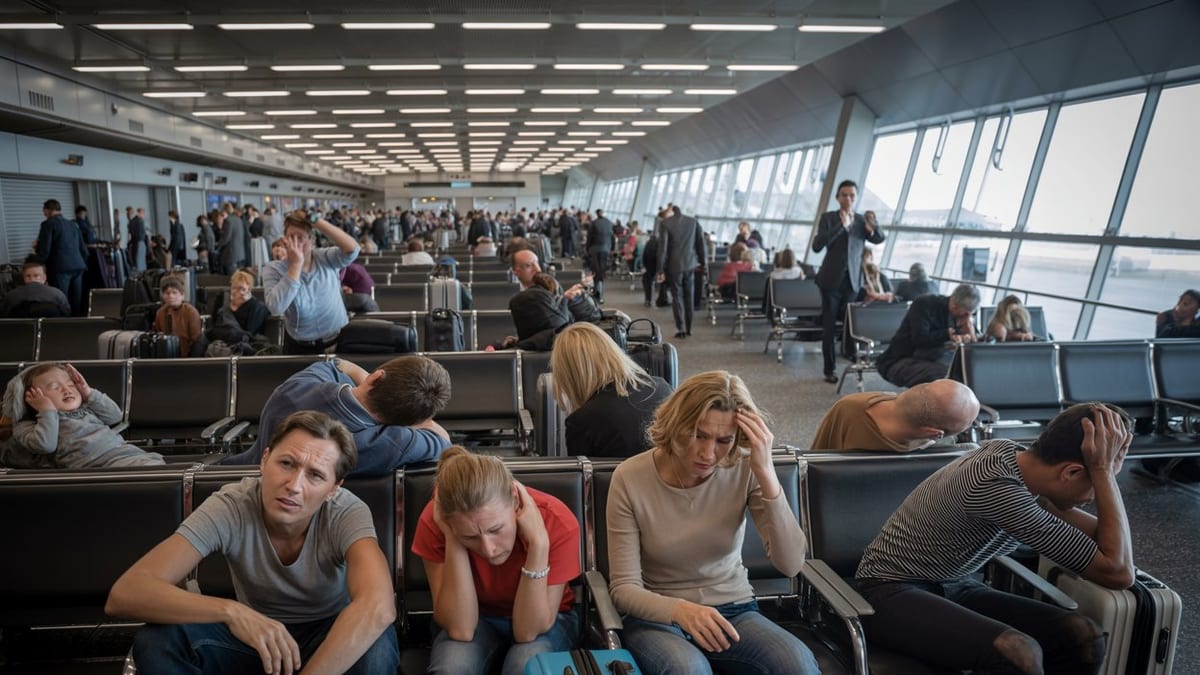
Disrupted northern sailing leaves traveler in remote community
Recent coverage of BC Ferries’ northern routes indicates that ongoing mechanical issues and schedule changes have led to a series of cancellations affecting sailings linking Port Hardy, Bella Bella, Bella Coola, Ocean Falls and Shearwater. The Northern Sea Wolf, the primary vessel on these mid-coast runs, has faced extended repairs, with a published advisory in August noting that cancellations would continue into early September and that communities along the route should expect ongoing disruption.
Among those affected was a passenger traveling between Vancouver Island and the central coast who reports being left in Bella Bella overnight after a planned connection did not go ahead. The traveler says there was limited clarity on when service would resume and what support would be available, characterizing the situation as being “stranded” with few options and describing the outcome as “not fair” given that the ticket had been purchased weeks in advance.
Bella Bella, also known by the Heiltsuk name Waglisla, is a small community on British Columbia’s inside passage. Public information notes that it relies heavily on a combination of ferry and small-aircraft links for access to regional hubs. When a coastal ferry does not sail, alternative ground transport is not available, which can leave passengers dependent on last minute airfares or overnight stays if no contingency transport is provided.
Accounts shared through regional media and social channels say the Bella Bella incident unfolded against a backdrop of broader concerns about reliability on BC Ferries’ long northern runs, where any cancellation can mean days rather than hours of delay. In this case, the impacted traveler is now seeking some form of reimbursement or credit, arguing that the disruption caused additional accommodation and meal costs that were not anticipated when the trip was booked.
Fares paid in advance, compensation far from certain
Publicly available information on BC Ferries’ fare policies shows that while the company provides refunds for sailings it cancels, it does not routinely cover secondary costs such as hotels, meals or missed onward travel, even on longer, reservation-only routes. Passengers whose sailings are cancelled are typically rebooked on the next available departure and may receive refunds of booking fees and fares, but coverage of out of pocket expenses is limited.
The Bella Bella passenger at the centre of the latest complaint argues that this approach does not reflect the realities of remote travel, where there may be only one or two sailings per week and where there are few alternative options if a connection fails. The individual reportedly sought compensation not only for the unused portion of the original ticket but also for the extra night’s accommodation in Bella Bella and the cost of reworking onward reservations, saying that “being left without support in a community you can only reach by boat or plane is not the same as a short delay on a commuter route.”
Engagement documents and regional feedback compiled for provincial ferry consultations over the past decade show that concerns about fairness and compensation have surfaced repeatedly, especially from residents of ferry dependent communities. Commenters have pointed out that motorists on the provincial highway system are not charged extra when detours or closures occur, and some argue that coastal residents effectively face higher risk without a matching duty-of-care standard from the ferry operator.
For travelers planning complex coastal itineraries, the current episode underscores the financial exposure that can accompany disruptions. Without a formal compensation regime beyond fare refunds, passengers booking non-refundable accommodation or connecting flights bear much of the risk if northern sailings do not depart as scheduled, even when tickets have been booked well in advance and all official requirements have been met.
BC Ferries’ contingency tools and their limits on the mid-coast
BC Ferries has detailed a range of contingency measures in planning documents for the 2026 summer season, including deploying water taxis, adding extra sailings on adjacent routes and reverting to off peak schedules on its long northern corridors when vessels are pulled from service. For mid-coast communities, those plans note that when the Northern Sea Wolf is unavailable, there may be no immediate replacement and that, in some cases, tug and barge service or limited water taxi capacity could be used to maintain basic connectivity.
Reports related to the Bella Bella incident suggest that while some passengers were eventually moved onward, capacity was constrained and there was uncertainty about timing. The traveler now seeking compensation contends that, once it became clear that the scheduled sailing would not operate, more proactive arrangements should have been offered to ensure that those already en route were not left to arrange their own accommodation on short notice.
Information published by BC Ferries explains that its “Current Conditions” tools and online service notices are designed to help customers make informed decisions by showing live departure status and available vehicle space. Critics responding to the Bella Bella case argue that such tools are only helpful before a trip begins. Once a passenger has boarded an earlier leg or reached an isolated transfer point, they have little flexibility if conditions change and a promised connection is withdrawn.
In the mid-coast context, contingency options are also shaped by geography. Bella Bella has no road link to the provincial highway network, and while scheduled flights connect the community with larger centres, same day air seats can be limited and costly. For travelers relying on through tickets between Port Hardy, Bella Bella and Bella Coola, a missed connection can quickly become a multi day disruption, especially outside peak season when sailings are less frequent.
Traveler frustration adds to scrutiny of ferry reliability
The complaint from Bella Bella comes at a time when BC Ferries is already under heightened scrutiny over service reliability. In recent weeks, widely reported cancellations on major routes between Vancouver Island and the Lower Mainland have drawn attention to vessel breakdowns and capacity constraints across the network, including instances where large numbers of passengers were delayed and police were called to manage tensions at terminals.
On online forums and in regional news comment sections, travelers describe a sense of fatigue with repeated disruptions, citing not only missed vacations and appointments but also the cumulative impact on residents who depend on ferries for work, medical travel and schooling. Some voices in ferry dependent communities say that occasional service interruptions are unavoidable, but argue that communication and support when sailings are cancelled have not kept pace with rising fares and demand.
The Bella Bella case has resonated in part because it highlights how reliability issues on high profile southern routes can ripple into smaller communities along the coast. When a single vessel is out of service on the mid-coast run, it can affect an entire chain of ports, leaving both residents and visitors with limited options and little clarity on when normal service will resume.
For the passenger now demanding compensation, the concern is less about a single cancelled departure and more about what they view as a gap between what travelers are promised when they buy a ticket and what happens when plans unravel in a place with no roads out. Their experience is now being cited by others as evidence that a more formal framework is needed to address the needs of passengers caught in similar situations on British Columbia’s most remote ferry routes.
What the Bella Bella incident means for future coastal travel
Travel and consumer advocates following ferry developments in British Columbia note that the Bella Bella episode could influence ongoing public conversations about how service standards should apply on strategic but lightly populated routes. Some observers argue that long distance coastal services should be treated more like essential transportation links than discretionary travel products, with clearer obligations around rebooking, accommodation and communication when itineraries break down.
At the same time, publicly available financial and planning documents for BC Ferries indicate that the company is managing aging vessels, complex coastal conditions and growing demand, all within a regulated fare framework. Introducing broader compensation or automatic reimbursement for out of pocket expenses would carry costs that might need to be balanced against investment in new ships and terminals.
For travelers considering itineraries that include Bella Bella and other mid-coast ports, the latest reports serve as a reminder to build extra time into schedules, investigate refundable accommodation options and review travel insurance coverage for disruptions outside the operator’s control. While BC Ferries publishes seasonal schedules well in advance and offers reservation systems for key routes, the Bella Bella complaint illustrates that, on the edges of the network, even confirmed bookings can be vulnerable to last minute change.
As attention focuses on the experience of one passenger left overnight in a remote community, the larger question for British Columbia’s coastal transportation system is whether future policy changes will offer more certainty to those who must travel by sea, or whether the risks highlighted in Bella Bella will remain an accepted, if often frustrating, part of journeying along the province’s outer shores.