


More news on this day
A long-haul Qantas service between Perth and Rome has turned into a hygiene scare after passengers reported suspected bed bug bites on board, forcing the airline to ground a Boeing 787 Dreamliner in Italy for a full cabin deep clean and leaving some travelers stranded for up to two days.
Get the latest news straight to your inbox!
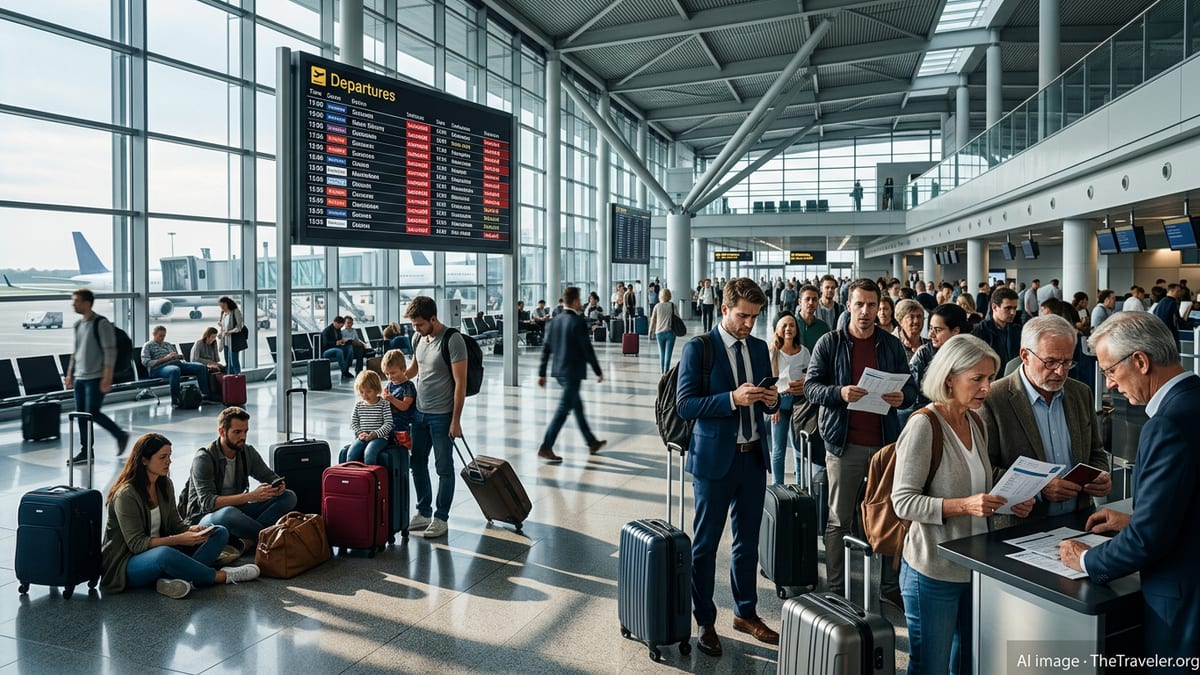
Seventeen-hour flight ends with aircraft grounded in Rome
Publicly available reports indicate that the incident occurred on flight QF5 from Perth to Rome on 9 October 2026, a nonstop route of nearly 17 hours linking Western Australia with the Italian capital. The Boeing 787-9 Dreamliner continued to its destination, but multiple passengers in the front of the economy cabin later reported itchy bites consistent with bed bug exposure during the long overnight sector.
Coverage in Australian and international media describes travelers alerting cabin crew mid-flight after noticing bites and spotting small insects near their seats. According to several accounts summarised by local outlets, affected passengers were provided with antihistamines on medical advice, although supplies reportedly ran out before landing.
After QF5 arrived at Rome Fiumicino Airport, the suspected infestation triggered an inspection of the cabin. Information published by outlets including The Guardian, The New Daily and The Independent indicates that bed bugs were believed to be present in a limited number of economy seats near the front of the cabin, prompting a decision to remove the aircraft from service.
The aircraft involved had been scheduled to operate the return Rome to Perth service the following day, a key link on Qantas’s seasonal European network. Instead, the jet remained on the ground at Fiumicino while specialist cleaning teams prepared for an intensive decontamination process.
Return flight cancelled while deep clean and fumigation carried out
The discovery meant the Rome to Perth leg, scheduled for 10 October, was cancelled so that the Dreamliner could undergo what the airline has described in public statements as a deep clean. Reports indicate that this process included full-cabin fumigation targeting any remaining insects, with the aircraft taken completely out of commercial service during the operation.
According to coverage from multiple news organisations, Qantas arranged hotel accommodation in Rome for affected passengers and rebooked travellers on alternative services to Australia, generally within 48 hours of their original departure time. Some passengers remained in Italy for up to two days while they awaited new itineraries on Qantas and partner airlines.
Qantas has reiterated in its public comments, as reported by Australian media, that its aircraft cabins are cleaned regularly and treated with disinfectant approximately every 50 days as part of standard maintenance routines. The airline has also indicated that when pests such as bed bugs are suspected, aircraft can be withdrawn from operation for more extensive fumigation and inspection of seat cushions, carpets and hard-to-reach crevices.
Bed bug-focused deep cleans typically require technicians to access the cabin without passengers or crew present, which limits an airline’s ability to respond while an aircraft is away from its main engineering bases. In this case, the grounding in Rome temporarily reduced capacity on Qantas’s non-stop link between Italy and Western Australia at the height of the northern autumn travel period.
How bed bugs reach aircraft cabins
Entomology specialists cited in Australian coverage note that bed bugs are unlikely to originate from the aircraft structure itself and are more commonly transported inadvertently in passenger luggage or on clothing. Once on board, the insects can migrate to seat upholstery, seams, carpets and nearby fixtures, where they remain hidden during the day and emerge at night to feed.
Bed bugs feed on human blood and their bites can cause itching, redness and swelling, but health agencies generally state that they are not known to transmit disease. The greater concern for airlines and travelers lies in the difficulty of eradicating infestations and the risk of the insects spreading to homes and hotels through carry-on bags and checked luggage.
Industry guidance for the transport and hospitality sectors highlights that even a small number of insects can quickly become established in confined spaces such as aircraft cabins. Once an incident has been identified, pest control contractors may deploy chemical treatments, heat-based systems or a combination of methods, often repeating inspections to ensure all life stages of the insect have been eliminated.
Travel-sector analyses published in recent years suggest that resurgent bed bug populations in several major cities, including in Europe and North America, have increased the likelihood of transport-related encounters, particularly where high passenger turnover and tightly scheduled turnarounds limit the time available for detailed cabin inspections between flights.
Passenger rights and compensation questions
The Qantas disruption has revived discussion about what protections long-haul passengers have when hygiene problems lead to cancellations. Consumer-rights platforms examining the Rome to Perth case note that, because the cancelled service was departing from an airport in the European Union, travelers may be covered by EU air passenger regulations that govern compensation and care obligations in the event of delays and cancellations.
Specialist flight-claim firms point out that these rules can apply to non-European airlines operating from EU airports, and that eligibility often depends on whether the disruption is considered within the carrier’s control. While pest outbreaks are unusual, some legal commentaries suggest they may be treated differently from weather-related disruptions, as cleaning and maintenance policies fall under airline responsibility.
In practice, reports show that Qantas has focused on providing immediate assistance in the form of hotel rooms, meals and rebooked flights. Any additional compensation claims are likely to be assessed individually, with passengers encouraged by consumer advocates to retain documentation such as boarding passes, photographs of any bites and receipts for out-of-pocket expenses incurred during the extended stay in Rome.
Travel insurance policies may also address health-related costs associated with insect bites, such as medical consultations or medications, although coverage varies widely. Analysts advise travelers who believe they were affected to review their policy wording carefully and to contact insurers promptly if they intend to lodge a claim linked to the incident.
Growing scrutiny of cabin cleanliness and pest controls
The Rome incident comes amid increased public sensitivity around cabin hygiene on long-haul flights, as airlines continue to rebuild their international networks. Bed bug encounters onboard aircraft remain rare compared with the overall volume of flights, but high-profile cases frequently attract global attention due to the discomfort involved and the fear of bringing pests home.
Airlines generally promote their disinfection and cleaning regimes as a competitive advantage, highlighting routine vacuuming, surface disinfection and periodic deep cleans of seats and soft furnishings. Events such as the grounding of the Qantas Dreamliner in Rome are likely to intensify scrutiny of how carriers inspect hard-to-see areas beneath seats and around seat tracks where insects can hide.
Public health agencies and pest management experts typically recommend that travelers take simple precautions, including checking the seat area and visible seams when boarding, keeping bags off the floor where possible, and inspecting luggage and clothing on arrival at their destination. For those concerned about potential exposure on a recent trip, widely shared guidance suggests placing travel garments in a hot dryer cycle or sealed plastic bags until they can be laundered.
For Qantas, the grounding of the Perth–Rome aircraft has created an operational and reputational challenge on one of its flagship long-haul routes. The carrier continues to emphasise publicly that the affected aircraft will only return to service once specialist contractors and internal maintenance teams are satisfied that the infestation has been completely eradicated and the cabin is ready to welcome passengers again.