


More news on this day
Rail passengers across Bedfordshire continue to face disruption after a fatal collision between two passenger trains near Bedford on 19 June, as investigators examine how a southbound East Midlands Railway service passed a red signal before striking a stationary train close to Elstow.
Get the latest news straight to your inbox!
What happened south of Bedford
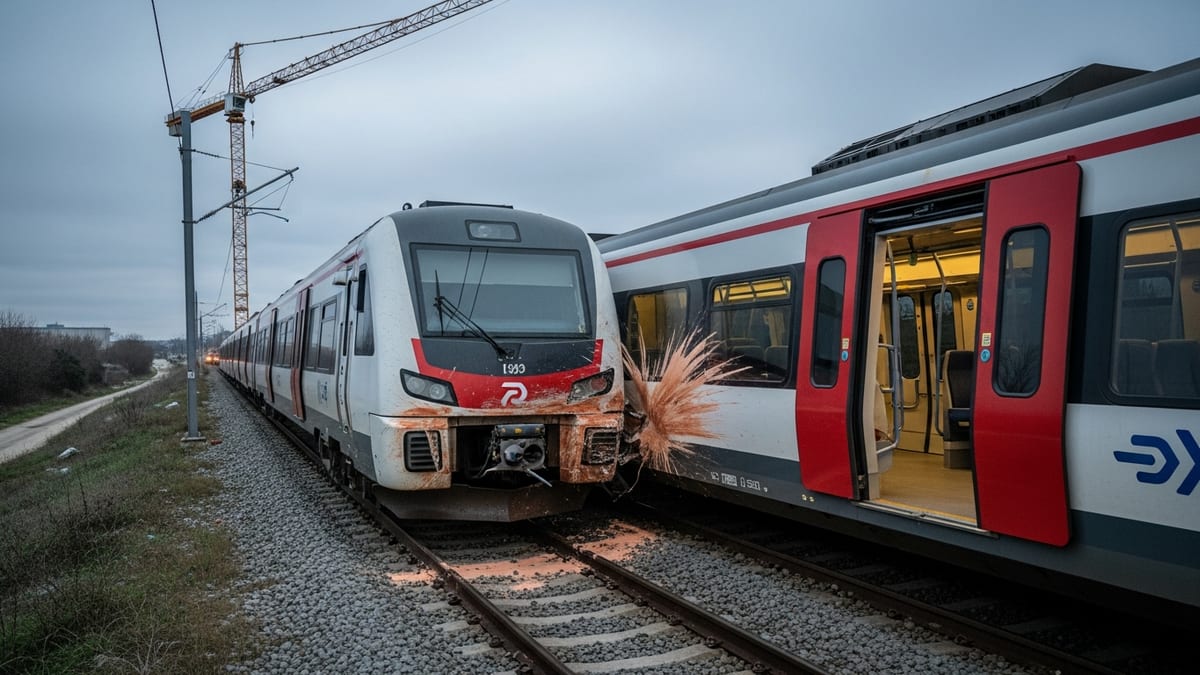
The collision occurred in the early evening of 19 June on the Midland Main Line just south of Bedford, near the Elstow interchange between the A421 and the A6. Publicly available information indicates that both services were operated by East Midlands Railway and were travelling towards London St Pancras when one train ran into the rear of the other on the same line.
Reports identify the services as the 16:40 Corby to London St Pancras and the 15:50 Nottingham to London St Pancras, which had stopped on the line shortly after passing Bedford. The following Corby train left Bedford station a few minutes before the crash and subsequently struck the back of the stationary service.
A major emergency response followed, with fire, ambulance and police teams attending alongside specialist railway staff. A large perimeter was established around the scene and services on the route between Bedford and Luton were halted while passengers were evacuated from the damaged carriages and taken for medical assessment.
According to national and regional news coverage, one of the train drivers died at the scene and dozens of passengers sustained injuries ranging from minor to critical. Rail operators described the event as a rare but serious incident on one of the country’s busiest intercity corridors.
Casualties and community impact
Subsequent reports named the driver who died in the collision as a 60 year old railway worker with long service on the network. Rail unions and local representatives have paid tribute, describing him as a well regarded colleague and a familiar face on the route through Bedfordshire.
Early tallies from hospitals and emergency services indicate that around 90 to 100 passengers required treatment, with several remaining in critical condition in the days after the crash. Injuries reported in local coverage include fractures, head wounds and shock, reflecting the force of the rear end impact and the sudden deceleration of the moving train.
The incident has had a visible effect on the surrounding villages, particularly Elstow, where residents reported seeing emergency helicopters overhead and long convoys of response vehicles. Community venues in and around Bedford have been used to support stranded passengers and to provide space for welfare teams.
For many regular commuters on the Midland Main Line, the collision has raised fresh concerns about day to day rail safety, even as national statistics continue to describe the UK rail network as one of the safest modes of transport. Travellers using the line in the days since the crash have spoken in media coverage about mixed feelings of gratitude for the response and anxiety about returning to the route.
What investigators have revealed so far
An interim summary from the Rail Accident Investigation Branch, referenced in government and media reports, indicates that the Corby to London service passed a signal at danger shortly before the collision and then applied emergency braking around nine seconds before impact. Data from train systems show that the train had just departed Bedford station and was travelling on the Up Slow line when it encountered the red signal protecting the stationary Nottingham to London service ahead.
The preliminary findings state that the collision was a rear end impact rather than a head on crash, a factor that may have reduced the severity of the outcome for passengers despite the significant number of injuries. Investigators are examining signalling arrangements in the area, the performance of train protection systems and the actions of staff in the minutes leading up to the crash.
According to information published by the Department for Transport and the Rail Accident Investigation Branch, a full independent investigation is now under way. This process typically includes detailed analysis of signal logs, on train data recorders, trackside equipment and maintenance records, together with interviews and site inspections.
Network Rail has publicly described the event as a tragic and isolated incident and has stated that it is working with investigators to identify any lessons for the wider network. Rail safety specialists note that rear end collisions on modern main lines are rare, but that any such event can lead to renewed scrutiny of signalling design, driver workload and route familiarisation.
Continuing travel disruption through Bedford
The collision has caused substantial disruption for passengers travelling through Bedford, Luton and surrounding stations during one of the busier periods of the year. Following the crash, East Midlands Railway suspended services into and out of London St Pancras on the affected route for the remainder of the day, and Thameslink services between Bedford and Luton were also brought to a halt.
In the days since, operators have run limited or diverted services while engineers remove damaged rolling stock, assess track conditions and carry out repairs to infrastructure. Network Rail statements reported by regional outlets indicate that the section of line between Bedford and Luton is expected to remain partially or fully closed until at least 28 June, affecting both long distance and commuter traffic.
Passengers have been advised through journey planning tools and station announcements to check services before travelling, to allow extra time and to expect replacement road transport on certain legs. With reduced capacity on parallel routes into London, travellers have reported crowded trains and longer journeys, particularly at peak times.
The disruption has knock on effects for tourism and business travel, as the Midland Main Line connects the East Midlands and parts of Yorkshire with central London. Hotels and attractions in Bedford and nearby towns are preparing for possible cancellations and delayed arrivals while the line remains constrained.
Safety questions and next steps for the route
As services gradually resume, attention is turning to the broader implications for rail safety policy and investment. Public discussion following the Bedford collision has highlighted the age and complexity of parts of the UK signalling system and debated how technology such as enhanced train protection or in cab signalling could reduce the risk of similar events.
Industry commentators note that major incidents often accelerate planned upgrades, particularly on intensively used corridors such as the stretch between Bedford and Luton. Any recommendations from the Rail Accident Investigation Branch, once the final report is published, are expected to inform decisions on future signalling projects and driver training programmes on the route.
For regular passengers and visitors planning journeys through Bedfordshire in the coming weeks, the focus remains on practical questions about timetables, capacity and reassurance. Travel operators are encouraging people to monitor service updates closely and to be prepared for short notice changes while investigation and recovery work continues alongside a phased restoration of normal operations.
Local tourism and business groups are watching developments carefully, aware that confidence in the reliability of the Bedford corridor is important for attracting visitors and investment to the wider region. The coming months are likely to see ongoing attention on how quickly services stabilise and how the findings of the investigation are translated into visible safety and infrastructure improvements on this key part of the network.