


More news on this day
New Orleans is long known for gumbo, po boys, and beignets, but a new wave of global flavors is positioning the city at the center of a wider movement in which urban hubs from Melbourne to Los Angeles compete to become the world’s most diverse food capitals.
Get the latest news straight to your inbox!
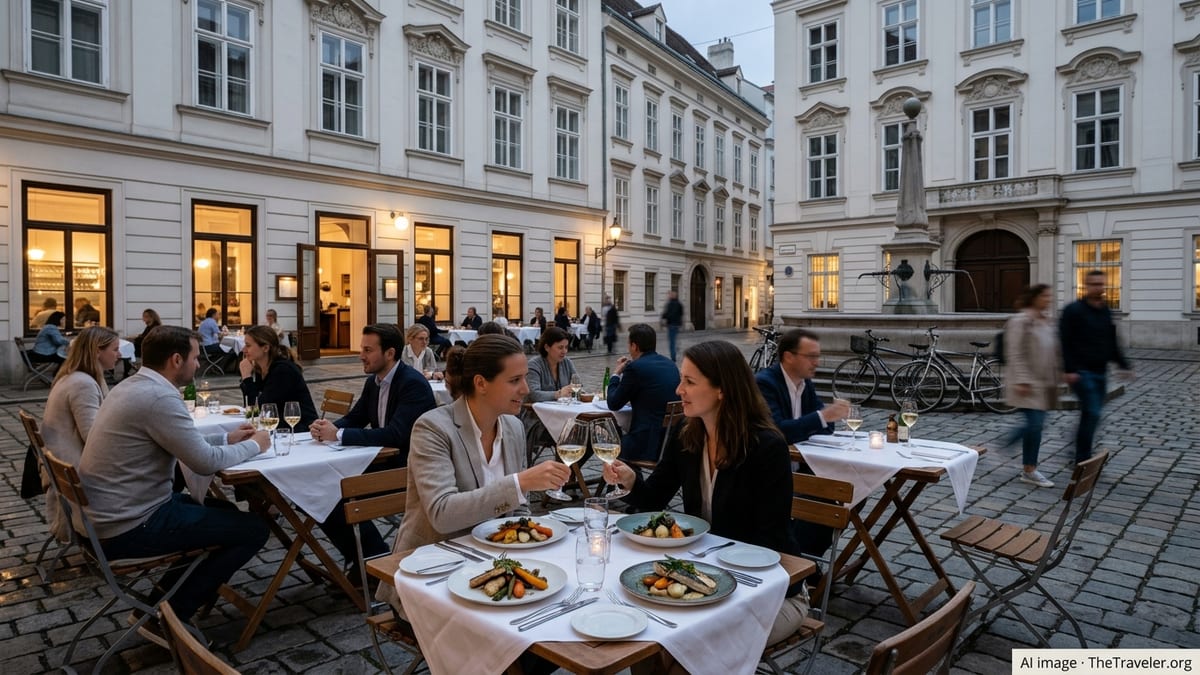
New Orleans Reinvents Its Culinary Identity
Publicly available information shows that New Orleans is expanding far beyond its classic Creole and Cajun base as new restaurants highlight West African, Caribbean, Vietnamese, and contemporary Asian cuisines alongside traditional local dishes. Recent roundups of openings point to places such as a Senegalese tasting menu, Caribbean concepts that reinterpret New Orleans comfort food, and Asian-inspired fine dining that treats Gulf seafood and Louisiana produce through a different lens. This mix is reinforcing the city’s reputation as a destination for serious diners rather than only a showcase for heritage recipes.
Tourism and major events are accelerating that shift. Reports indicate that the city is preparing for international attention linked to global sports tournaments and large cultural festivals, and hospitality groups are using the moment to introduce more globally inflected menus. Hotel restaurants, pop ups, and chef collaborations increasingly experiment with ingredients and techniques from Latin America, West Africa, and East Asia, turning New Orleans into a testing ground for cross cultural cooking.
Local tourism updates emphasize that the city’s most talked about tables now range from omakase counters and modern izakaya style spots to dining rooms grounded in West African flavors. At the same time, classic dishes such as gumbo or étouffée appear in new formats, paired with ferments, spice blends, and plating styles more often associated with contemporary Nordic or Japanese cooking. The result is a scene in which visitors can still find long standing favorites while also sampling menus that would have been unthinkable in the city a decade ago.
City initiatives are also reshaping how food reaches diners. New funding for urban agriculture and a comprehensive food systems plan is intended to connect small producers, community organizations, and restaurants. Supporters describe the effort as a way to keep the city’s food culture rooted in local farms and neighborhoods even as it becomes more international in outlook, adding resilience to a sector that is central to New Orleans’ global brand.
Global Rankings Spotlight a New Class of Food Capitals
Across the world, rankings and surveys are increasingly treating food as a defining metric for urban appeal. Lifestyle publications and travel researchers now release annual lists of the best cities for food, street food, or culinary diversity, based on local surveys, expert panels, and tourism data. These compilations regularly highlight long established heavyweights such as Tokyo, Bangkok, and New York while also elevating cities that until recently were less prominent on the global dining map.
In 2026, coverage from international travel media singled out Melbourne as the most diverse food city in the world, citing its blend of Asian, European, and Middle Eastern cuisines, vibrant café culture, and steady stream of new restaurant openings. According to that reporting, locals consistently described the city’s food scene as both diverse and accessible, with everything from neighborhood bakeries to boundary pushing tasting menus contributing to the same story.
Other surveys of American metropolitan areas by culinary institutes and hospitality schools rank cities on factors such as the number of distinct cuisines available, density of restaurants, and concentration of immigrant owned food businesses. These analyses often place New York, Los Angeles, Houston, Chicago, and Washington, D.C. near the top for variety and depth, noting that decades of immigration and demographic change have transformed once narrow dining scenes into something closer to a global buffet.
New Orleans rarely tops these diversity tables because its restaurant landscape is still strongly anchored in regional traditions. Yet observers increasingly note that the city’s growing roster of West African, Caribbean, Vietnamese, and pan Asian venues aligns it more closely with the global food capitals identified in recent international surveys. Taken together, the rankings suggest that the idea of a “food city” is broadening beyond fine dining alone to encompass everyday multicultural eating.
Immigration, Neighborhoods, and the New Urban Menu
The evolution of New Orleans mirrors broader urban trends. Studies of global food culture highlight how immigration has remade the restaurant economies of major cities, from Los Angeles strip malls packed with Oaxacan, Korean, and Thai storefronts to Toronto and Sydney neighborhoods where Caribbean, South Asian, and Middle Eastern eateries share the same blocks. Publicly available demographic hubs for these cities show that high proportions of foreign born residents correspond closely with the range of cuisines found on city streets.
New Orleans has its own distinct immigration story. Vietnamese communities along the Gulf Coast, Latin American workers in hospitality and construction, and growing interest from chefs trained abroad have all left marks on local menus. Recent cultural programming and food forums in the city emphasize this history, spotlighting cooks who blend Southeast Asian techniques with Louisiana seafood, or reinterpret West African stews using local okra, rice, and hot peppers.
Neighborhood level dining is where these changes become most visible. Reports from local food media indicate that formerly quiet corners of the city now host pop up kitchens, micro bakeries, and natural wine bars with menus that move easily from boudin to bao. Food halls and shared commercial kitchens offer lower cost entry points for first time restaurateurs, encouraging experimentation with cuisines that may not yet support full scale standalone venues.
Similar patterns are unfolding in other food forward cities. In Los Angeles, guides produced by hospitality schools and city tourism agencies describe a patchwork of enclaves where Armenian bakeries, Thai boat noodle shops, and Salvadoran pupuserias coexist. In Melbourne and Bangkok, survey based rankings emphasize the way alleyway vendors, markets, and small dining rooms are as essential to a city’s food identity as headline grabbing luxury restaurants. New Orleans’ emerging diversity slots naturally into this global picture.
Tourism, Guides, and the Race for Culinary Recognition
As travelers place food at the center of their itineraries, official recognition systems are adapting. According to recent announcements, the Michelin Guide is rolling out new regional coverage in the American South, with Louisiana among the states expected to be evaluated. Industry observers describe this as a symbolic turning point, signaling that international arbiters now view the region’s restaurants as contenders on the world stage.
Tourism organizations in New Orleans and other cities increasingly market food as a primary reason to visit, not simply an added attraction. Campaigns highlight tasting menus, chef collaborations, and festivals alongside more traditional draws such as music or architecture. Major cultural events, from jazz festivals to global sports tournaments, are promoted as occasions to explore both heritage dishes and newly arrived cuisines in a concentrated time frame.
At the same time, global guides and indices from private firms emphasize that the most attractive cities for travelers are often those with the widest range of dining options across different price points. Data drawn from payment networks and visitor surveys points to cities where international visitors are most likely to spend at restaurants and markets, suggesting that culinary diversity now functions as a soft power tool in city branding.
For New Orleans, this environment creates both opportunity and pressure. The city is working to preserve the character of historic dining rooms and corner po boy shops while still encouraging new voices that reflect the realities of a changing population. Industry watchers note that the next round of global rankings is likely to pay close attention to how effectively cities like New Orleans integrate immigrant led food businesses, sustainability goals, and local sourcing into a coherent culinary narrative.
From Heritage Plates to Experimental Fusion
Looking across these developments, one theme stands out: food cities are no longer defined solely by tradition or high end gastronomy. Instead, the world’s most dynamic dining destinations blend heritage plates with experimental fusion, street food with chef driven tasting rooms, and local ingredients with global influences. New Orleans, with its deep culinary roots and growing international connections, is positioned at the forefront of this shift.
Publicly available trend forecasts from industry groups argue that younger diners in particular seek out menus that feel both authentic and exploratory, whether that means a classic bowl of gumbo followed by Nigerian jollof rice, or Vietnamese iced coffee shared after a plate of barbecue shrimp. Social media and delivery platforms further accelerate the spread of ideas, allowing a novel dish in Melbourne or Bangkok to inspire a New Orleans pop up within months.
For now, cities across continents appear to be in a friendly race to claim the title of most diverse food capital. Melbourne is leaning on a documented mosaic of immigrant neighborhoods and a thriving café scene, Los Angeles on the breadth of its diaspora communities, and New Orleans on a unique fusion of Black, Indigenous, European, and newer global influences. Together, they illustrate how the modern food city has become one of the clearest expressions of globalization at street level.
As chefs experiment and diners travel more widely, the map of global gastronomy is likely to keep shifting. New Orleans’ challenge and opportunity will be to remain unmistakably itself while embracing the flavors of a world that is increasingly eating, cooking, and reinventing recipes across borders.