


More news on this day
A Frontier Airlines Airbus A321neo operating Flight F93174 from Denver to Chicago on August 9 returned to Denver International Airport after an in flight issue prompted the crew to divert back to the carrier’s Colorado hub.
Get the latest news straight to your inbox!
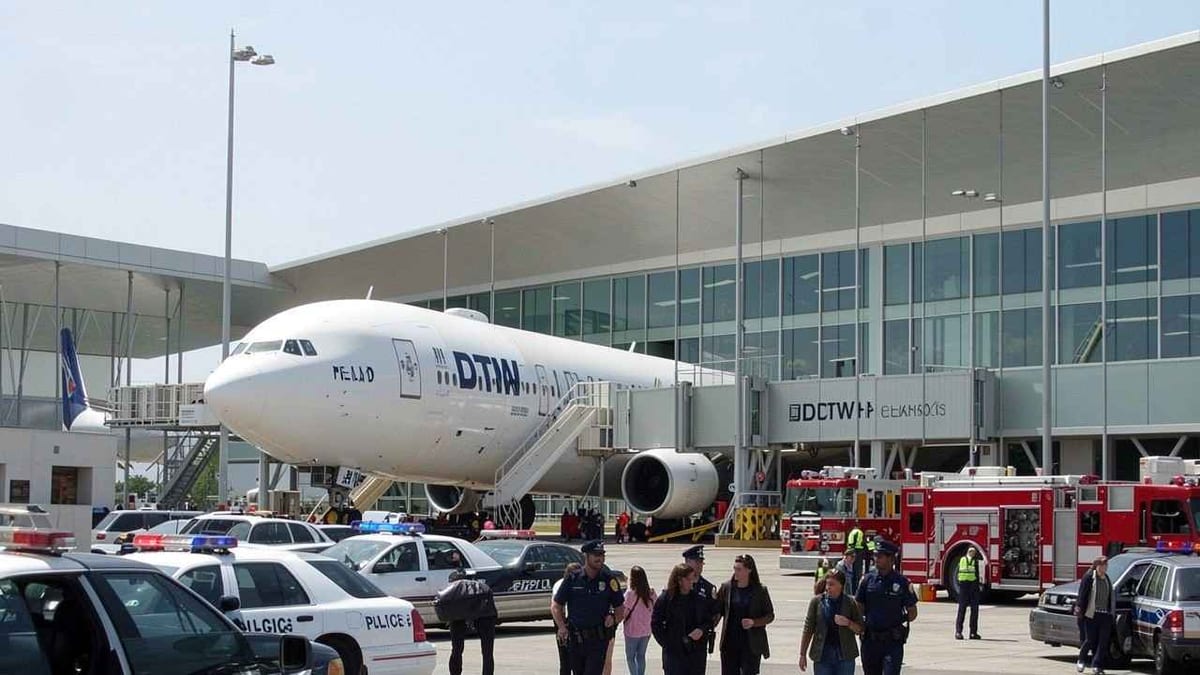
Frontier Flight Returns to Denver Shortly After Departure
Publicly available flight tracking data indicate that Frontier Flight F93174, an Airbus A321 271NX, departed Denver International Airport on a scheduled service to Chicago on August 9 before reversing course and returning to its departure airport. The service is one of Frontier’s regular links between Denver and Chicago and typically operates into Chicago O Hare.
Data show the aircraft climbing away from Denver along its planned eastbound routing before the trajectory shifted and the jet initiated a turn that positioned it back toward the Rocky Mountain hub. The overall airborne time was noticeably shorter than a routine sector between Denver and Chicago, highlighting that the decision to divert was taken relatively early in the flight.
Available information does not specify the exact technical or operational trigger behind the diversion. However, the pattern of a climb, level off and return to origin is broadly consistent with a range of in flight issues that can include technical alerts, pressurization concerns, or other safety related considerations identified by the crew.
The Airbus A321 271NX variant flown by Frontier on the route is part of the carrier’s newer generation fleet, featuring Pratt & Whitney geared turbofan engines and a high density single class layout tailored for domestic and medium haul flying.
Operational Response and Impact on Passengers
According to flight status information made available via tracking platforms and airport data feeds, the aircraft landed back at Denver International Airport without further incident. There were no immediate indications of any emergency evacuation or runway closure, suggesting that the return was managed under a controlled approach and landing.
Details regarding the handling of passengers following the diversion have not been widely reported, but standard practice in similar events typically includes returning customers to the terminal and arranging onward travel once the situation with the original aircraft is evaluated. In cases where a technical inspection is required, airlines may opt to delay the same aircraft, substitute a different airframe, or rebook travelers on alternative services.
The diversion of F93174 contributed to localized disruption on the Denver to Chicago corridor, a route that is generally busy and served by multiple carriers. Travelers on the affected flight likely faced missed connections in Chicago and potential changes to same day plans, a common knock on effect when a mid continent service is interrupted.
Publicly accessible records do not show any related irregularity on the reciprocal leg originating in Chicago with the same flight number on August 9, underlining that the disruption was concentrated on the Denver outbound sector.
Denver and Chicago as Key Nodes in Frontier’s Network
Denver International Airport is a central hub for Frontier Airlines, and the Denver Chicago pairing is among the competitive domestic routes in the United States. Multiple airlines serve the city pair, using both Denver’s position as a connecting hub and Chicago’s role as a major business and leisure gateway.
Air service data and previous schedule publications highlight Frontier’s strategy of using high capacity single aisle aircraft on trunk domestic routes, including flights between Denver and Chicago. The A321neo family is central to that approach, offering lower fuel burn per seat compared with earlier generation aircraft and supporting the airline’s low cost model.
Chicago O Hare remains one of the busiest airports in the country, and the route from Denver is important for both point to point travelers and those connecting onward. Any disruption on a core route such as Frontier’s F93174 can ripple beyond the initial flight, particularly for passengers relying on time sensitive onward journeys.
While diversions are relatively rare events compared to the total number of daily departures from Denver and Chicago, they are part of routine operational risk management in commercial aviation. Returning to a hub such as Denver often provides access to more extensive maintenance support and customer handling resources than might be available at a smaller diversion field.
Context: Diversions and Safety in Commercial Aviation
Flight diversions such as the return of Frontier Flight F93174 to Denver illustrate the layers of caution built into modern airline operations. Industry data and academic studies on flight reliability describe diversions as infrequent but expected interruptions that arise when crews respond conservatively to technical alerts, weather changes or other in flight concerns.
Research into delay and disruption patterns in U.S. aviation shows that unplanned returns to departure airports represent a small share of overall irregular operations when compared with weather related delays or routine schedule changes. Even so, diversions draw attention because of their visibility on flight tracking platforms and their immediate impact on passengers onboard.
For travelers, the experience of a diversion can mean extended travel times and uncertainty, but it is generally viewed in the industry as an indication that crews are prioritizing safety margins over schedule adherence. Turning back to a well equipped hub airport typically allows engineers, dispatchers and operations teams to assess any issue with greater resources on hand.
The August 9 diversion of F93174 from Denver to Chicago fits within this broader safety focused framework. While specific technical details have not been disclosed through public channels, the decision to curtail the flight and return to Denver aligns with standard industry practice when any doubt arises about continuing to destination as planned.