


Ranua Resort in Finnish Lapland often appears in Instagram feeds as a dreamy combination of glass igloos, snow-draped forests, and close-up encounters with Arctic wildlife. The reality can be just as memorable, but it is also far more practical than the marketing suggests. Before you lock in a nonrefundable stay, it helps to understand how the seasons affect prices, what is really included in your igloo or villa, and how remote Ranua feels once the tour buses leave. Drawing on current information and recent traveler experiences, this guide walks through what guests wish they had known before booking.
Get the latest updates straight to your inbox!
Ranua Resort Is a Wildlife Park First, a Hotel Second
Ranua Resort grew out of Ranua Wildlife Park, which has operated since 1983 as a zoo focused on Arctic and northern species. Today, it combines accommodation and wildlife experiences on the same site in the small municipality of Ranua, about 80 kilometers south of Rovaniemi in Finnish Lapland. The wildlife park is open year-round, typically from 10:00 to 16:00 in shoulder seasons and extended to 18:00 in summer, and many guests time their stay around a park visit rather than treating the resort as a classic full-service hotel.
This matters because the rhythm of your stay is shaped by the wildlife park’s schedule. Families often spend a full day walking the several-kilometer loop past polar bears, lynx, wolverines and owls, then eat in the on-site Wild Arctic Restaurant, which serves lunch most of the day and extends hours in summer. Outside those opening times, the resort feels quiet and self-contained. If you are picturing a bustling Lapland village with bars and nightlife, Ranua will feel subdued once the park gates close.
In practice, many visitors combine one night at Ranua with time in Rovaniemi, Levi, or another resort town that has more restaurants and activities. For example, a common itinerary is two nights in Rovaniemi for Santa Claus Village and husky safaris, followed by one or two nights in Ranua focused on wildlife and, in winter, Northern Lights watching from an igloo. Understanding that Ranua Resort is built around the park helps set realistic expectations for atmosphere and evening options.
You should also be prepared for walking and outdoor time. Even though paths are well maintained, seeing the animals means being outside in subzero temperatures during winter or in cool, sometimes rainy weather in autumn and spring. Guests who arrive dressed for a typical “hotel break” rather than a day at an Arctic zoo often find themselves shopping last-minute for thicker gloves, spikes for shoes and extra base layers in Rovaniemi before driving down to Ranua.
Season and Timing Change the Experience Completely
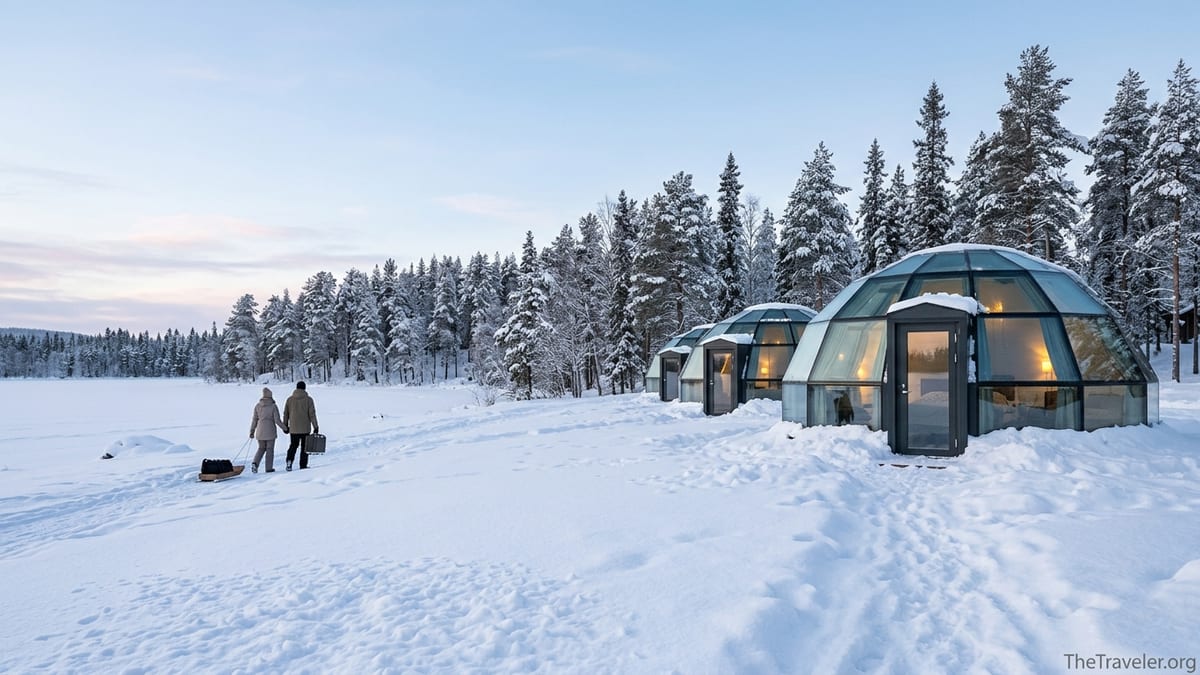
Ranua Resort operates in a climate of long, dark winters and bright, short summers. That transforms not only how it looks, but what you can realistically expect from your stay. From November to March, you are likely to find deep snow, very limited daylight, and temperatures that can fall below minus 20 degrees Celsius. This is when the glass igloos are at their most photogenic, with frozen Lake Ranuanjärvi and snow-laden trees all around, and when travelers hope to watch the Northern Lights from bed.
However, winter also brings challenges. Daylight may be only a few hours around midday in December and early January, so fitting in wildlife park visits, outdoor activities and transfers requires planning. Road conditions can be icy, and long walks between the igloos and main resort buildings can feel exposed in strong wind or heavy snowfall. Travelers not used to subarctic conditions often report being surprised at how difficult it feels to stay outside for longer than an hour without proper thermal gear.
By contrast, June through August transforms Ranua into a lakeside nature destination. The wildlife park extends its opening hours into the early evening and the forest paths become dry and easy, with families spending slow afternoons between animal enclosures, playgrounds and the café terraces. The lake thaws, offering canoeing or simple lakeside strolls, and the Midnight Sun gives long, luminous evenings. Yet this is also mosquito season; guests sometimes comment that they underestimated how persistent the insects can be near the forest and lake, especially at dusk. Packing strong repellent and light, long-sleeved clothing makes a real difference.
Between seasons, particularly in April, May, September and October, you may find lower prices and fewer crowds, but also more unpredictable conditions. Trails can be slushy or muddy, the lake may be half frozen, and foliage is less photogenic than in deep winter or high summer. This shoulder season, though, can suit travelers who are more interested in peace and wildlife watching than in specific seasonal activities, and who appreciate the quieter, almost local feel of the park when bus tours thin out.
Prices Spike in Peak Winter and What They Really Include
One of the biggest surprises for first-time visitors is just how sharply prices rise in the high winter season. Recent rate sheets for the Arctic igloos show twin igloos for one or two people starting around 250 to 300 euros per night in the low summer season, but rising to well over 700 euros per night during the busiest Christmas and New Year period. Lakeside igloos that can host small families cost even more, with peak rates approaching four figures per night. These prices are broadly in line with what major booking platforms report, with a June night for two often around 280 to 320 US dollars and December dates much higher.
These nightly rates usually include breakfast, bed linen and towels, and use of standard amenities in the igloo such as a small kitchenette, private bathroom and sauna in some categories. They typically do not include activities, wildlife park tickets or half board unless you book a specific package. During parts of the winter season, especially around Christmas and New Year, half board dinner supplements can be mandatory for certain bookings. Recent price lists mention three-course dinners around 50 euros per adult per night, with special gala dinners on Christmas Eve and New Year’s Eve costing more.
Guests sometimes only discover these extra costs after choosing nonrefundable deals on third-party sites. For example, a family of four booking a lakeside igloo in late December might find that while the base room rate appears high but manageable, adding mandatory half board for four people on a three-night stay quickly adds several hundred euros to the bill. It is wise to read the small print on the resort’s own site or confirmation email carefully and budget realistically for food and activities on top of the room.
If your travel dates are flexible and your main goal is the igloo experience rather than Christmas-specific activities, consider early December outside the core holiday dates, or late January through February. Prices are typically lower than the Christmas and New Year peak, snow conditions are reliable, and chances of clear skies for aurora viewing can be good. Another cost-saving approach is to spend only one night in an igloo and the rest in a more traditional villa or hotel, using that one night for your “glass roof under the stars” experience.
Getting to Ranua: Remote Enough to Require Planning
Ranua’s setting feels pleasantly remote once you are there, but the distance from major transport hubs surprises some visitors. The nearest gateway city is Rovaniemi, which is well connected by flights and overnight trains from southern Finland. From Rovaniemi, you still need to cover about 80 kilometers by road to reach Ranua. Under good summer conditions this is roughly a one-hour drive, but winter weather, darkness and icy roads can easily extend the journey time.
Many guests choose to rent a car from Rovaniemi, especially if they plan to combine Ranua with other Lapland stops such as Santa Claus Village or the ski slopes in Ruka or Levi. Rental cars in peak winter can be expensive, but they come equipped with proper winter tires and often engine heaters. Travelers who have driven that route in midwinter frequently mention that while the main highway is well maintained, visibility can be poor in snowstorms and long stretches of forest offer few services. Planning fuel stops and keeping warm clothing and some food and water in the car is sensible.
There are also bus services between Rovaniemi and Ranua, though schedules change by season and day of week, and some routes may only operate on school days. Travel times are generally around 1 to 1.5 hours, and tickets bought locally are typically much cheaper than private transfers, but you must align your arrival and departure times carefully. Some travelers report missing connections because they assumed a bus would run every day, only to discover that a specific service stopped early on weekends or during holidays.
Private transfers arranged through tour companies or directly through the resort are the most straightforward but also the most costly option. For a family or group arriving late in the evening with luggage and children, paying for a pre-booked door-to-door transfer from Rovaniemi Airport can feel worthwhile, especially in January when roads may be icy and unfamiliar. Ultimately, the choice depends on your comfort level with winter driving and your schedule, but everyone should avoid assuming that Ranua is just a quick shuttle ride from the airport in any conditions.
What Staying in an Arctic Igloo or Villa Actually Feels Like
Marketing photos of Ranua’s Arctic igloos highlight star-filled skies and aurora swirling above the bed. While those nights certainly happen, everyday experience is more nuanced. The igloos are modern, compact units built on the lakeshore, with large heated glass walls facing north toward the lake and forest, and insulated structures facing away from the view. Inside, you can expect at least a double or twin bed positioned toward the glass, a small sitting area, bathroom, and in some units a private sauna or kitchenette. Space is efficient rather than spacious; most guests describe it as cozy for two but tight for a family with luggage.
A key point travelers wish they had known is that clear-sky aurora views are not guaranteed even at the height of winter. Cloud cover can persist for days, and some guests spend their igloo night watching gentle snowfall instead of green lights. Those who come away happiest tend to treat the glass roof as a bonus rather than the sole reason for the trip. They enjoy the feeling of being in a warm bubble surrounded by snow and darkness, whether or not the skies put on a show.
Temperature control also comes up frequently in reviews. In deep winter, the igloos are heated, but large glass surfaces can create cooler spots near the windows. Guests often recommend packing warm socks and comfortable lounge clothes so you can sit by the glass without feeling chilled. In summer, with near-constant daylight, the glass can allow a lot of light into the space. Blackout materials help, but light-sensitive sleepers may prefer a villa with traditional walls and curtains during June and July.
The alternative accommodation at Ranua Resort includes holiday villas closer to the wildlife park and main restaurant. These tend to feel more like conventional cottages, often with more space, separate bedrooms, and better suited to families or longer stays. They do not offer the same dramatic sky views as the igloos, but guests appreciate the extra room to spread out, cook simple meals, and dry winter gear. Some travelers pair one night in an igloo with several nights in a villa for a balance of novelty and comfort.
Food, Park Tickets and Activities Add Up Quickly
Once at Ranua Resort, daily costs are shaped by where and how you eat, and what you choose to do beyond simply staying in your room. The on-site Wild Arctic Restaurant typically offers a buffet-style or set lunch, with soup, main courses and salad options, alongside café items like pastries and coffee. Prices are in line with other Lapland tourist facilities, often around mid-teens to low twenties in euros per person for a basic lunch, and higher for full dinners. Alcoholic drinks add noticeably to the bill, as in the rest of Finland.
Entry to the wildlife park is not normally included in accommodation unless you purchase a specific package. Current public price lists from regional tourism boards suggest adult tickets around the mid-twenties in euros when bought online, with slightly higher prices at the gate, and discounted rates for children, students and families. For a family of four, a full-price family ticket can quickly approach or exceed 70 to 80 euros for a single visit, making it important to factor park entry into your holiday budget rather than seeing it as a small incidental cost.
On top of this, many guests want to book activities such as husky safaris, reindeer farm visits or snowmobile excursions. While Ranua itself offers some of these, many organized tours depart from Rovaniemi. This is one reason travelers often base themselves in Rovaniemi and visit Ranua as a day trip instead of staying overnight, especially if their main interests are Santa Claus Village and adventure activities. For visitors who do stay at Ranua, choosing a bundled holiday package that includes accommodation, wildlife park tickets and one or two activities can sometimes offer better value than booking everything separately.
Self-catering can reduce costs, especially for longer stays. Villas with kitchenettes allow you to prepare simple breakfasts and dinners, with a supermarket and basic services in Ranua town a short drive away. However, in midwinter, when driving in the dark and cold may feel less appealing after a full day outside, many guests end up using the resort’s restaurant more than they planned, so it is worth acknowledging that reality when working out whether a higher-priced but more inclusive package might make sense.
The Reality of Arctic Weather and Winter Driving
Perhaps the single most important thing repeat visitors emphasize is that Lapland’s weather is not just a pretty backdrop; it shapes everything you do. In December and January, daylight is short, the sun sits low on the horizon, and temperatures often stay well below freezing. Even simple tasks like walking from your igloo to the restaurant or standing still to photograph a polar bear enclosure at the wildlife park can feel intense if you are underdressed. Wind chill on the open lakeshore around the igloos can make the air feel significantly colder than the forecast suggests.
Winter driving, in particular, catches many visitors off guard. Roads are well maintained, but surfaces can be packed snow or ice for long stretches, especially at night or after fresh snowfall. Local advice stresses driving below the posted speed limits when conditions are slippery, avoiding sudden braking or sharp turns, and being prepared for wildlife such as reindeer or moose crossing the road unexpectedly. Travelers arriving from milder climates often comment afterwards that they underestimated the mental effort required to drive for an hour or more on dark, snowy roads after an already tiring travel day.
It is worth planning your arrival so that your drive from Rovaniemi to Ranua takes place in daylight if possible, particularly if you lack experience with snow and ice. For example, arriving on a mid-morning flight, picking up a rental car, and driving to Ranua in early afternoon before checking in leaves you time for a relaxed first evening. Arriving on a late-night flight and attempting the same drive in the dark, possibly after a long-haul journey, is rarely wise.
In all seasons, but especially in winter, layering is key. Thermal base layers, insulating mid-layers, a windproof and waterproof outer shell, insulated boots, thick wool socks, and gloves or mittens with liners make a noticeable difference in comfort. Hand warmers are inexpensive and can transform your experience of slow walks through the wildlife park. Guests who invest in proper gear before arrival tend to spend more time actually enjoying the scenery rather than rushing indoors to warm up.
The Takeaway
Ranua Resort can deliver exactly the kind of northern escape many travelers dream about: a lakeside glass igloo surrounded by snow-covered forest, close encounters with Arctic animals, and long, quiet evenings far from city lights. Yet those same qualities mean it is not a plug-and-play holiday where you can arrive unprepared and expect everything to fall into place. The resort is built around a wildlife park, it sits an hour’s drive from the nearest city, and its prices fluctuate widely with the season.
The travelers who come away most satisfied tend to be those who choose their timing consciously, understand what their room rate does and does not include, and plan transport and clothing for real Arctic conditions rather than brochure images. For some, that means a single splurge night in an igloo combined with more affordable nights elsewhere. For others, it means visiting in summer with children when days are long, paths are dry and the wildlife park becomes an easygoing family outing.
Before you hit the “book now” button on a nonrefundable rate, take a moment to map out how you will get there, what you will do on a short winter day or a long summer evening, and how food, tickets and extras will fit into your budget. With realistic expectations and a bit of planning, Ranua Resort can feel less like a surprise expense in the snow and more like a well-earned Arctic highlight of your trip.
FAQ
Q1. Is it better to stay overnight at Ranua Resort or visit as a day trip from Rovaniemi?
For many travelers, a day trip is enough to visit Ranua Wildlife Park and have lunch, especially if they are based in Rovaniemi for other activities. Staying overnight makes more sense if you specifically want the glass igloo experience, a quieter setting, and time to enjoy the lake and forest surroundings without rushing.
Q2. How much does a night in an Arctic igloo at Ranua typically cost?
Prices vary significantly by season. In the quieter spring and summer months, twin igloos can start around the mid-200 euro range per night, while during the Christmas and New Year peak, rates can rise to several times that amount. Always check current prices for your exact dates, as discounts and packages can change.
Q3. Are wildlife park tickets included in the accommodation price?
Generally, standard room or igloo bookings do not include wildlife park tickets unless you choose a specific package. You should budget separately for park admission, which for a family can add a substantial amount to the total cost of your stay.
Q4. Do I need a car to stay at Ranua Resort?
You do not strictly need a car, as there are bus services and private transfers between Rovaniemi and Ranua, but having your own vehicle offers more flexibility, especially in winter. If you plan to visit other Lapland attractions or travel outside fixed bus times, renting a car is often the most practical option.
Q5. How realistic are my chances of seeing the Northern Lights from the igloo?
The resort is in a good location for aurora viewing, but sightings depend on both solar activity and clear skies. Even in the best months, you are not guaranteed a display. Think of the glass roof as giving you the chance to watch the sky in comfort if conditions cooperate, rather than as a guaranteed show.
Q6. What should I pack for a winter stay at Ranua Resort?
Pack serious cold-weather clothing: thermal base layers, insulating mid-layers, a windproof and waterproof outer jacket, insulated boots, warm socks, hat, scarf or neck warmer, and good gloves or mittens. Hand and foot warmers and indoor lounge clothes that keep you comfortable in cooler corners near the igloo glass also help.
Q7. Is Ranua Resort suitable for young children?
Yes, many families visit with children, and the wildlife park is a major draw. However, in winter you will need to manage short daylight hours, cold temperatures, and sometimes slippery paths. Villas with more space and kitchen facilities often work better for families than igloos, which can feel tight with multiple children and luggage.
Q8. Are there many restaurant options around Ranua Resort?
Most guests rely on the on-site Wild Arctic Restaurant and café services, especially in winter. The nearby town of Ranua has basic services, including a supermarket and a few local options, but this is not a destination with a wide restaurant scene. If dining variety is important to you, consider splitting your stay with time in a larger town like Rovaniemi.
Q9. How challenging is the drive from Rovaniemi to Ranua in winter?
Under good conditions, the drive is about an hour on a main road, but in winter it can feel demanding due to darkness, snow and ice. Drivers unfamiliar with such conditions should take it slowly, avoid night arrivals if possible, and consider a private transfer if they feel unsure.
Q10. When is the best time of year to visit Ranua Resort?
It depends on your priorities. December to March is ideal for deep snow, winter landscapes and possible aurora, but is cold, dark and often more expensive. June to August brings long days, easier walking conditions and a more relaxed family atmosphere in the wildlife park, at the cost of losing the winter wonderland feel.