


Germany remains one of Europe’s key destinations for international professionals, driven by sustained skills shortages and a diversified economy. For expats evaluating relocation, however, the choice of city within Germany has a decisive impact on career prospects, sector access, and integration into globally oriented labour markets. This briefing identifies and analyses the best cities and urban regions in Germany for expats and professionals, based on job concentration, sectoral strengths, internationalisation, and talent demand as of early 2026.
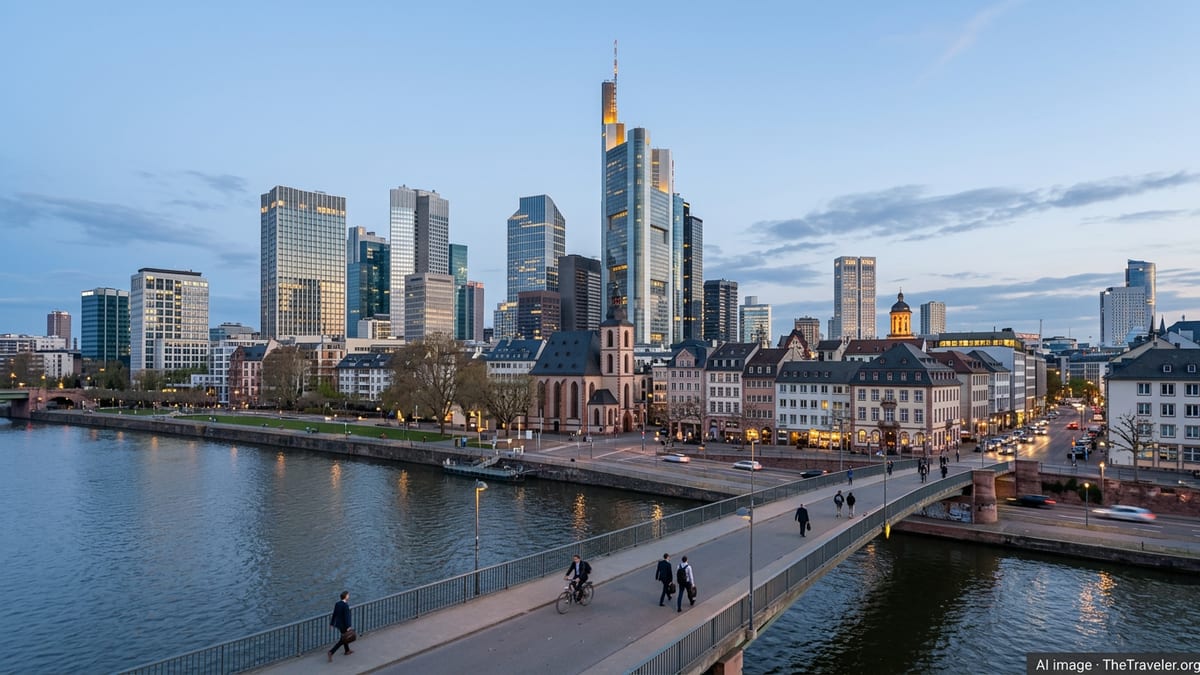
How to Assess German Cities for Expats and Professionals
For internationally mobile professionals, the most relevant German cities are those that combine strong labour demand with internationalised employers, English-friendly workplaces, and established migrant communities. Nationally, Germany continues to report annual needs of roughly several hundred thousand additional foreign skilled workers to stabilise its labour market, with particular pressure in IT, engineering, healthcare, and technical trades.([dw.com](https://www.dw.com/en/germany-skilled-workers-africa-labor-shortage-economy-immigration-citizenship-v2/a-73022000?utm_source=openai))
At city level, decision making is best guided by a small set of structural indicators. Key factors include the size and diversity of the local economy (often approximated by city GDP and metropolitan output), the concentration of high value sectors such as automotive, advanced manufacturing, finance, and digital industries, and the share of residents with a migration background, which signals how accustomed local institutions and employers are to international talent.([en.wikipedia.org](https://en.wikipedia.org/wiki/List_of_German_cities_by_GDP?utm_source=openai))
Professionals should also consider each city’s position in broader European networks. Financial centres, logistics hubs, and research clusters connect more directly into global value chains and transnational projects, which typically translates into more roles where international profiles and foreign languages are an asset. The German urban system is polycentric, so career opportunities for expats are not confined to a single dominant metropolis, but distributed across several large cities and a few mid-sized specialist hubs.
Finally, sector-specific geography matters. IT and digital roles cluster strongly in Berlin and the Rhine-Main-Neckar “IT cluster,” automotive and engineering roles in Munich and Stuttgart, finance in Frankfurt, and logistics and trade in Hamburg and the Rhine-Ruhr corridor. Understanding this spatial specialisation is critical for aligning relocation choices with professional trajectories.([en.wikipedia.org](https://en.wikipedia.org/wiki/IT_cluster_Rhine-Main-Neckar?utm_source=openai))
Berlin: International Talent Magnet and Tech Hub
Berlin stands out as Germany’s primary magnet for international job seekers. It consistently ranks among the leading global cities for attracting foreign workers and offers the country’s highest concentration of English-language job postings, particularly in tech, startups, and international business services.([iwbnews.com](https://www.iwbnews.com/p/germany-ranked-5th-most-popular-destination?utm_source=openai))
The city’s economy is diversified but particularly strong in information technology, creative industries, and knowledge-intensive services. National labour market analysis shows that IT and ICT professions in Germany employ around 1.5 million skilled workers, with foreign professionals driving a significant portion of recent growth. As the political and administrative capital, Berlin also hosts numerous international organisations, embassies, and NGOs, creating additional roles suited to global profiles.([arbeitsagentur.de](https://www.arbeitsagentur.de/en/press/2025-29-foreign-skilled-workers-drive-employment-growth-in-information-and-communication-technology?utm_source=openai))
From a professional integration perspective, Berlin’s very high share of residents with migration background, diverse neighbourhoods, and English-using workplaces reduce entry barriers for new arrivals. While language skills in German remain important for long-term advancement, many early-career and mid-level roles in IT, digital marketing, product development, and design accept English as the working language.
Expat professionals should be aware that Berlin’s job market is highly competitive in popular sectors, especially for junior positions, and salaries can be lower than in Munich or Frankfurt for comparable roles. However, the depth and variety of employers make it particularly attractive for people seeking to transition sectors or build careers in high-growth digital fields.
Munich and Stuttgart: Automotive, Engineering, and Advanced Manufacturing Powerhouses
Munich and Stuttgart form the core of Germany’s southern industrial belt and are central locations for high value engineering, automotive, and advanced manufacturing roles. Metropolitan GDP figures place the Munich region among Germany’s top performers by output per capita, reflecting the concentration of high productivity industries and headquarters of major global corporations in automotive, technology, and insurance. The Stuttgart metropolitan region similarly ranks near the top for economic output per resident, underpinned by automotive and mechanical engineering supply chains.([en.wikipedia.org](https://en.wikipedia.org/wiki/List_of_German_cities_by_GDP?utm_source=openai))
Both cities have above-average proportions of residents with migration background, typically close to or above the 45 to 50 percent range, indicating a long history of attracting foreign workers into industrial and technical occupations. Stuttgart and several nearby cities in Baden-Württemberg appear in national tables of urban areas where at least 30 to 40 percent of the population has a migration background, while Munich is one of the major cities with roughly half of residents having such a background.([en.wikipedia.org](https://en.wikipedia.org/wiki/Migration_background?utm_source=openai))
For expats and professionals, Munich and Stuttgart are particularly relevant for roles in automotive engineering, robotics, industrial software, embedded systems, and applied research. Major employers and dense supply networks create sustained demand for mechanical, electrical, and software engineers as well as project managers and technical consultants. German is more commonly the main working language than in Berlin, especially in smaller firms and traditional engineering environments, so professional German skills tend to carry greater weight in recruitment and advancement.
Professionals choosing between the two should treat Munich as slightly more diversified, with strong clusters in finance, insurance, and media alongside engineering, while Stuttgart is more specialised around automotive, machinery, and high-end manufacturing. Both cities are suitable for mid-career specialists seeking to integrate into global industrial value chains.
Frankfurt and the Rhine-Main-Neckar Region: Finance and Digital Industry Cluster
Frankfurt am Main is Germany’s leading financial centre and one of Europe’s top banking hubs. In global financial centre rankings, Frankfurt typically sits within the top 20 worldwide, reflecting the presence of major international banks, the European Central Bank, and a dense ecosystem of financial services, legal, and consulting firms. Other German cities such as Berlin and Munich also appear in financial centre indices but with lower scores, confirming Frankfurt’s regional dominance in this sector.([en.wikipedia.org](https://en.wikipedia.org/wiki/Global_Financial_Centres_Index?utm_source=openai))
From an expat perspective, this translates into strong demand for professionals in corporate banking, asset management, risk, compliance, financial IT, and related advisory services. English is common in international-facing roles, especially in investment banking and capital markets, although day-to-day life and some client interactions still require German proficiency.
Beyond Frankfurt itself, the wider Rhine-Main-Neckar region is recognised as one of Europe’s most important IT and high-tech clusters, often referred to as Germany’s “Silicon Valley.” The region hosts significant concentrations of software companies, data centres, enterprise IT providers, and research institutions, anchored by cities such as Darmstadt, Mainz, and other nearby municipalities. National industry associations have designated parts of this region as a focal area for digital transformation of the economy.([en.wikipedia.org](https://en.wikipedia.org/wiki/IT_cluster_Rhine-Main-Neckar?utm_source=openai))
For international professionals, viewing Frankfurt and the Rhine-Main-Neckar area as a combined labour market is practical. Commuting across the region is common, and professionals can access both financial and technology roles within a single integrated metropolitan area. The region’s high share of residents with migration background and established expat communities in Frankfurt, nearby Offenbach, and other towns is reflected in local statistics that show well over half of residents in some municipalities having migrant roots.
Hamburg and the North: Trade, Logistics, and Media
Hamburg is Germany’s leading northern metropolis and a central hub for trade, logistics, and media. In metropolitan GDP rankings it is among the top German regions by total output, supported by port-related activities, aviation, and a diverse services economy. The city’s large port and logistics infrastructure connect directly to global supply chains, generating continuous demand for specialists in supply chain management, shipping, freight forwarding, and related IT systems.([en.wikipedia.org](https://en.wikipedia.org/wiki/List_of_German_cities_by_GDP?utm_source=openai))
For expats and professionals, Hamburg offers a broad spectrum of roles: from maritime engineering and aircraft manufacturing through to digital media, advertising, and publishing. English is widely used in internationally oriented companies and in port-related business, which can ease professional integration for those still building German language skills.
Hamburg typically scores highly in national rankings of livable or “smart” cities, competing closely with Munich in assessments of digital infrastructure, municipal services, and innovation capacity. In recent analyses of German cities’ digitalisation levels, Hamburg and Munich have effectively formed the top group, indicating that both cities provide a relatively advanced environment for technology-enabled work and digital services.([smartcountry.berlin](https://www.smartcountry.berlin/en/concept/press/press-releases/news_11392.html?utm_source=openai))
In the wider northern region, professionals may also find opportunities in nearby metropolitan areas connected via rail and logistics corridors. However, Hamburg remains the primary focal point for international careers in the north, particularly for supply chain, aviation, and media professionals seeking long-term positions in globally facing industries.
Rhine-Ruhr and Emerging Mid-Sized Hubs
Beyond the large “headline” cities, the Rhine-Ruhr corridor and several mid-sized German cities present compelling options for expats and professionals willing to look beyond the most internationally known locations. In national rankings of cities for jobs or expat work, cities such as Düsseldorf, Cologne, and Dortmund frequently appear alongside Berlin, Munich, and Frankfurt, supported by strong regional labour markets and diversified economies.([chancenkarte.in](https://www.chancenkarte.in/post/top-cities-in-germany-for-job-seekers-2025-rankings?utm_source=openai))
Düsseldorf combines corporate headquarters functions with strengths in fashion, media, and digital industries, and is known for hosting sizeable Japanese and Indian business communities. Cologne has a mixed economy spanning media, trade, and manufacturing, and benefits from its central position within the Rhine-Ruhr region. While these cities may have smaller international communities than Berlin or Frankfurt, regional statistics show that many Rhine-Ruhr municipalities record migration background shares of 30 to 40 percent or more, indicating substantial diversity and experience with foreign workers.([en.wikipedia.org](https://en.wikipedia.org/wiki/Migration_background?utm_source=openai))
In parallel, several mid-sized cities have developed niche specialisations that can be attractive for specific profiles. Leipzig, for example, has been highlighted as an emerging location for technology, creative industries, logistics, and startups, drawing both domestic and international talent seeking alternatives to the higher-cost southern metros. Other cities such as Nuremberg, Augsburg, and Mannheim register high migration background shares and maintain robust industrial or service sector bases.([ktvz.com](https://ktvz.com/stacker-money/2025/10/27/10-hidden-cities-where-your-career-could-take-off-in-2026/?utm_source=openai))
For relocation planning, these cities can offer a balance between access to professional opportunities and a less saturated job market. However, English-language roles are generally less common than in Berlin or Frankfurt, meaning that professional proficiency in German becomes more critical for long-term career progression.
The Takeaway
For expats and international professionals, Germany’s best cities are not interchangeable. Berlin excels as an international and tech-focused labour market with relatively high availability of English-language roles, making it particularly suited to digital professionals, early-career workers, and those seeking diverse urban networks. Munich and Stuttgart provide deep opportunities in automotive, engineering, and advanced manufacturing, primarily benefiting mid-career technical specialists and those prepared to operate in more German-speaking professional environments.
Frankfurt and the broader Rhine-Main-Neckar region stand out for finance, consulting, and enterprise IT, offering integrated access to both high-end financial services and one of Europe’s strongest digital industry clusters. Hamburg is the central node for trade, logistics, and media in northern Germany, while the Rhine-Ruhr cities and selected mid-sized hubs such as Leipzig, Nuremberg, and Augsburg present targeted opportunities for professionals willing to engage with markets that are less visible internationally but often dynamic at the regional level.
Ultimately, the optimal German city for any given professional will depend on sector, seniority, language skills, and appetite for competition in saturated markets. A structured comparison of sectoral strengths, internationalisation levels, and labour demand across the cities discussed in this briefing provides a solid basis for longlist and shortlist decisions in a relocation strategy.
FAQ
Q1. Which German city offers the best overall prospects for international professionals?
Berlin offers the widest range of roles for international professionals, particularly in tech, startups, and creative services, with comparatively high availability of English-language positions.
Q2. Where should finance and banking professionals focus in Germany?
Frankfurt am Main is the primary choice for banking and capital markets, while Munich and Düsseldorf provide additional options in insurance, asset management, and corporate finance.
Q3. Which cities are strongest for engineers and automotive specialists?
Munich and Stuttgart are the key hubs for automotive, mechanical engineering, and industrial technology, with extensive supplier networks and large employers in these sectors.
Q4. Are there good options for expat professionals beyond the major cities?
Yes. Cities such as Leipzig, Nuremberg, Augsburg, Mannheim, and parts of the Rhine-Ruhr region offer solid regional labour markets and specialised opportunities, especially for those with good German skills.
Q5. In which cities is English most commonly used at work?
English is most prevalent in Berlin and Frankfurt, especially in tech, startups, and international finance. Hamburg and Munich also have substantial English-speaking corporate environments in selected sectors.
Q6. How important is the migration background share when choosing a German city?
A higher share of residents with migration background, as seen in Frankfurt, Munich, Stuttgart, and parts of the Rhine-Ruhr area, generally signals greater experience with international talent and more diverse employer practices.
Q7. Which German city is most suitable for logistics and supply chain professionals?
Hamburg is the primary hub for maritime trade and logistics, while the Rhine-Ruhr region and Leipzig also offer strong logistics clusters linked to road, rail, and air freight.
Q8. Are startup opportunities concentrated only in Berlin?
Berlin is the largest startup hub, but significant startup and scale-up activity also occurs in Munich, Hamburg, Frankfurt/Rhine-Main-Neckar, and emerging ecosystems in Leipzig and Cologne.
Q9. Does city choice matter for securing roles under German skilled immigration schemes?
Yes. Cities with acute skills shortages in IT, engineering, and healthcare, such as Berlin, Munich, Stuttgart, and Frankfurt, tend to generate more job offers that can underpin skilled immigration pathways.
Q10. How should expat professionals shortlist German cities for relocation?
Professionals should match their sector and role type to each city’s core strengths, assess language requirements, consider the degree of internationalisation, and then compare concrete job postings and employer profiles across two or three shortlisted cities.