


More news on this day
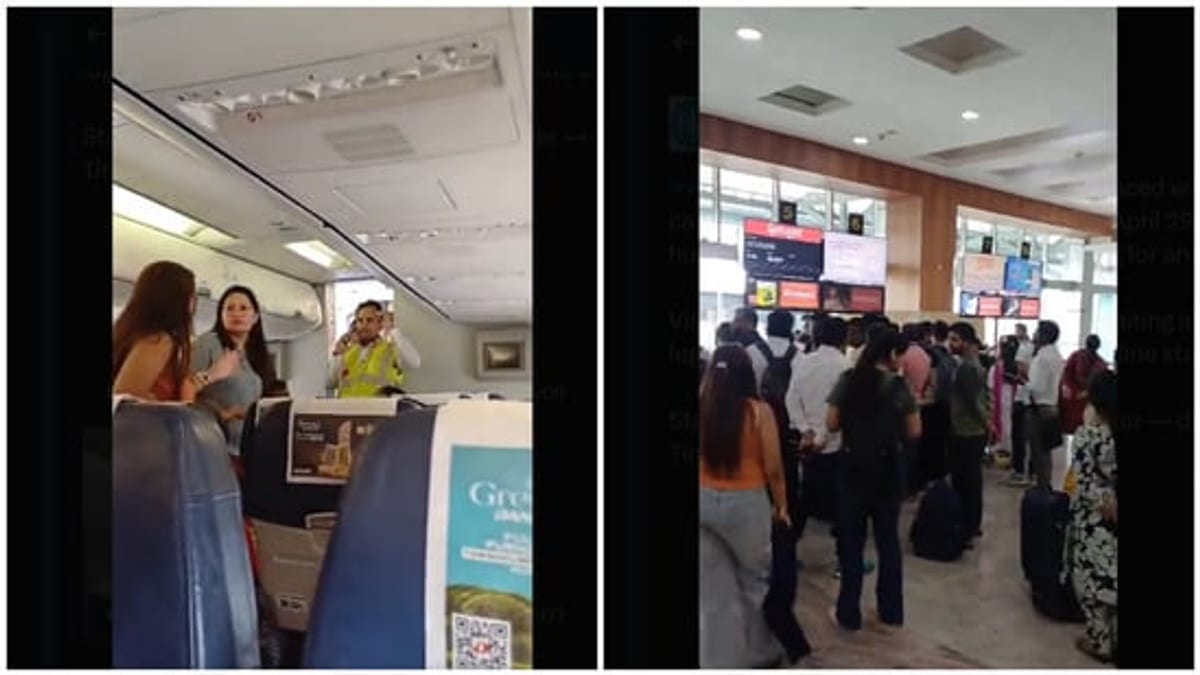
Hundreds of SpiceJet passengers were left stranded for hours at Mumbai’s Chhatrapati Shivaji Maharaj International Airport after a string of late night delays and last minute cancellations triggered chaotic scenes, angry protests and a flood of videos from the terminal.
Get the latest news straight to your inbox!
Overnight disruption hits key SpiceJet routes
The disruption unfolded from late Wednesday night into Thursday morning at Terminal 1, which handles domestic low cost carriers. Published accounts indicate that multiple SpiceJet departures to Bengaluru, Ahmedabad and Delhi were either heavily delayed or cancelled outright, forcing travelers to spend the night in the terminal with little clarity on when they would finally depart.
According to coverage in Indian media, one Bengaluru bound red eye flight left Mumbai roughly nine hours behind schedule, finally departing well into Thursday morning. Another service to Delhi was delayed for several hours before being cancelled, while an Ahmedabad flight reportedly pushed back by around three hours. Reports from the scene describe exhausted passengers sprawled across the floor and long queues at airline counters as people sought rebooking or refunds.
Separate reporting points to at least three additional SpiceJet flights from Mumbai to Delhi, Gorakhpur and Bengaluru that were cancelled at short notice on Thursday, adding to the pressure on already stretched check in and customer service desks. The affected flights were operating from the same domestic terminal, magnifying the sense of congestion and confusion for those trying to leave the city.
SpiceJet has publicly attributed the disruptions primarily to operational reasons, including aircraft related issues and weather at previous stations, according to open statements cited in local coverage. The airline has not indicated that air traffic control restrictions or airport infrastructure problems in Mumbai were the main driver of the cancellations.
Stranded passengers share videos and vent online
As delays mounted through the night, frustrated travelers turned to their phones to document the unfolding situation. Videos posted on social media platforms show crowds clustering near departure gates and check in counters, some passengers chanting slogans against the airline while others argue with ground staff over a lack of information.
In several widely shared clips, passengers can be seen demanding clarity on revised departure times and questioning why flights that initially showed as delayed were subsequently cancelled after hours of waiting. One traveler’s post from around Thursday morning described having waited at Terminal 1 since around midnight as departure times were repeatedly pushed back. The tone of many messages reflected a mix of fatigue, anger and anxiety as the night wore on.
Reports from Indian news outlets note that passengers alleged minimal announcements over the public address system and limited proactive communication from the airline, with many relying on app updates or social media to piece together what was happening. Families with children, elderly travelers and business passengers with connecting commitments appeared to be among the worst affected, based on incident descriptions.
The latest videos from Mumbai add to a broader catalogue of recent passenger generated footage involving SpiceJet operations across India, from long delays and diversions to onboard incidents. Aviation observers say the recurring visibility of such clips helps explain why individual disruption episodes now resonate far beyond a single airport or route.
Operational challenges and safety incidents under scrutiny
The turmoil at Mumbai comes at a time when SpiceJet is already facing heightened scrutiny over reliability and operational resilience. In recent months, the airline has been the subject of multiple reports about lengthy delays that left passengers stranded for hours in cities such as Pune and Srinagar, as well as emergency landings and technical problems on domestic routes.
Publicly available information on India’s aviation sector points to rising input costs, competitive pressure from larger rivals and lingering pandemic era financial strains as significant headwinds for smaller and mid sized carriers. Industry analyses indicate that schedule disruption often spikes when airlines are operating with tight spare aircraft capacity, making them more vulnerable when a single jet goes out of rotation due to maintenance or technical issues.
SpiceJet’s recent record also includes several high profile safety related incidents that, while not directly connected to the latest Mumbai cancellations, shape public perceptions of the brand. Reports have documented emergency returns to origin airports after technical alerts, as well as hardware problems in flight that prompted precautionary landings. Regulators in India have previously ordered additional checks and oversight of specific fleets following clusters of such events.
Aviation commentators note that for budget carriers, repeated episodes of disruption and headline grabbing incidents can erode the price advantage that draws many travelers in the first place. When passengers factor in the risk of missed connections, extra hotel nights and last minute alternative tickets, low headline fares may come to feel less compelling.
Regulatory rules and passenger rights in India
The scenes in Mumbai have renewed focus on what Indian domestic air travelers are entitled to when flights are delayed or cancelled. Under guidelines issued by the Directorate General of Civil Aviation, airlines are expected to provide minimum levels of care and, in some situations, financial compensation when disruptions occur for reasons within the carrier’s control and short notice is given to affected passengers.
For cancellations announced close to departure time and not caused by extraordinary circumstances such as severe weather or air traffic control shutdowns, the norms provide for options including alternative flights at no extra cost or refunds, along with fixed compensation caps that vary with flight length. For extended delays, carriers are also expected to offer meals or refreshments and, in some cases, hotel accommodation when overnight stays become unavoidable.
Travel rights advocates argue that many passengers remain unaware of these provisions and may accept vouchers or partial gestures of goodwill that fall short of what the rules specify. Social media posts and online forums discussing recent SpiceJet disruptions frequently reference these regulations, with users sharing template complaints and guidance on how to escalate matters to consumer courts or aviation grievance portals.
Legal and consumer experts quoted across Indian media suggest that repeated episodes of large scale disruption, such as the one at Mumbai’s Terminal 1, are likely to intensify calls for stricter enforcement of passenger protection norms and greater transparency from airlines about the causes of delays and cancellations.
Impact on Mumbai’s role as a key aviation hub
Mumbai’s Chhatrapati Shivaji Maharaj International Airport is one of India’s busiest gateways, handling tens of millions of domestic and international passengers each year. Terminal 1 serves as a major hub for low cost carriers, and extended disruption at a single airline can quickly ripple through to queues at security, baggage handling strain and congestion in common areas.
Industry reports note that late night and early morning departures are particularly critical in Mumbai, as they connect business travelers, migrant workers and tourists to key southern and northern cities before the workday begins. When flights in these windows are cancelled or delayed by many hours, the knock on effects can include missed onward trains and buses, lost working days and additional accommodation costs in already expensive metropolitan areas.
The latest SpiceJet episode underscores how vulnerable passengers remain to cascading operational problems, even at a major, well resourced airport. Observers say that unless airlines enhance contingency planning and communication protocols, similar scenes of stranded crowds and viral protest videos are likely to recur during peak travel seasons, holiday rushes or periods of intense weather disruption.
For now, travelers using Mumbai’s domestic terminals are closely watching airline performance metrics and anecdotal reports as they make booking decisions. The events of this week appear set to weigh heavily on SpiceJet’s reputation among frequent fliers, and may push more passengers toward competitors that are perceived as more reliable, even if fares are slightly higher.