


More news on this day
Hours long delays and abrupt cancellations of multiple SpiceJet flights at Mumbai’s Chhatrapati Shivaji Maharaj International Airport have left passengers stranded overnight at Terminal 1, with social media videos showing crowds demanding answers and accusing the airline of poor communication.
Get the latest news straight to your inbox!
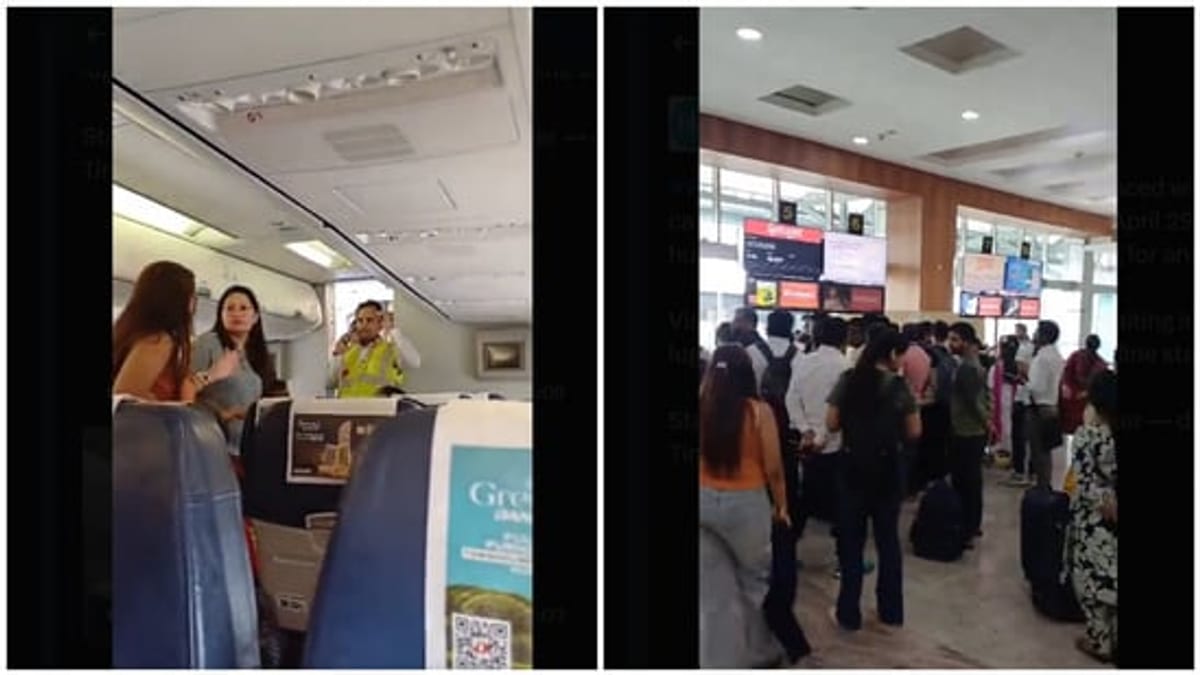
Late night chaos at Mumbai’s Terminal 1
According to published coverage from Mumbai on April 30, several late night and early morning SpiceJet departures from Terminal 1 were repeatedly delayed and then cancelled, affecting services to cities including Bengaluru, Ahmedabad and Delhi. Reports indicate that disruption stretched from Wednesday night into the early hours of Thursday, catching many travellers mid journey with few immediate alternatives.
Footage circulated on social platforms shows long queues at SpiceJet counters and groups of passengers gathered at departure gates, some with luggage sprawled on the floor after hours of waiting. In one widely shared clip, stranded travellers can be seen raising slogans near an aerobridge area while airport buses stand idle outside on the apron, underscoring the confusion inside the terminal.
Local media reports describe a scene of mounting frustration as departure times were revised multiple times on display boards before some flights were finally cancelled. For many passengers who had already cleared security and reached the boarding area, the announcements came after midnight, leaving them with limited options for rebooking and few clear updates on when they might be able to travel.
Airport operations at the rest of the city’s network continued, but the concentration of cancellations on one carrier at the domestic Terminal 1 low cost hub created a bottleneck that rippled through early morning schedules. Travellers arriving at the terminal for first wave departures encountered tired crowds that had already been waiting for much of the night.
Passengers say ‘no one is answering’
Frustrated flyers took to social media through the night, posting images of crowded waiting areas and alleging that airline counters were either unmanned or offering only limited information. Several posts described situations in which call centres and helplines were unreachable, leading some travellers to complain that “no one is answering” as they tried to confirm the status of their flights.
Accounts compiled from public posts suggest that many customers first learned of delays through airport display boards rather than direct notifications on their phones. In some instances, travellers reported that flights that had already been delayed by several hours were then marked as cancelled shortly before revised departure times, long after passengers had checked in and cleared security.
Passengers also expressed concern about the lack of clarity over refunds, rebooking options and entitlement to meals or accommodation. Some travellers reported sleeping on terminal chairs with young children or elderly family members while they tried to arrange new flights on other airlines at significantly higher walk up fares.
Consumer forums and travel rights advocates point out that India’s civil aviation rules require airlines to provide specific assistance when delays or cancellations are within the carrier’s control, including refreshments, hotel stays in some cases and compensation caps based on sector length. The overnight scenes at Mumbai have renewed debate over how consistently these rules are applied in practice and how easily stranded travellers can access their rights in the middle of a disruption.
Operational pressures and a wider industry squeeze
The episode in Mumbai comes at a time when SpiceJet and other Indian carriers are navigating a combination of high fuel costs, capacity constraints and intense competition on key domestic routes. In a recent communication highlighted in national media, an industry body representing major airlines warned that sustained increases in aviation turbine fuel prices risk forcing more schedule cuts and cancellations if not offset by regulatory relief.
Operational strains at some carriers have already drawn scrutiny in previous seasons for their impact on punctuality. Data cited in local reports shows that SpiceJet has recently recorded among the lowest on time performance figures at Mumbai, with barely a third of departures leaving as scheduled over a measured period, even before the latest wave of cancellations.
Analysts note that low cost carriers typically operate tighter schedules with shorter turnaround times, making them more vulnerable to knock on delays if aircraft or crew are not available. When disruptions stack up across a day, flights late in the schedule can end up cancelled entirely as duty time limits for crew are reached or as aircraft are repositioned to protect other routes.
In this context, the concentrated disruption at Mumbai’s Terminal 1 is being viewed by some observers as a symptom of wider fragility in India’s aviation system, where rapid traffic growth has not always been matched by fleet expansion or spare capacity. For passengers caught in the middle, however, such structural explanations offer little comfort while they wait on the floor of a crowded gate area.
Travel rights, remedies and what passengers can do
The events at Mumbai have prompted renewed interest in what concrete steps stranded passengers can take when confronted with rolling delays and last minute cancellations. Publicly available guidelines from India’s aviation regulator outline minimum standards of care, including meals and refreshments after specified waiting times and, in some circumstances, hotel accommodation where a stay becomes unavoidable.
In cases where cancellations are not caused by extraordinary circumstances such as severe weather or air traffic control restrictions, passengers may also be eligible for monetary compensation subject to caps that vary by flight length. Travel advocates encourage affected flyers to retain boarding passes, written acknowledgements of disruption and all receipts for additional expenses to support subsequent claims.
Experts also recommend that travellers check both the airline’s direct channels and independent flight tracking services in real time, rather than relying solely on airport display boards. When staff at the airport are overwhelmed, online rebooking tools or direct communication through official digital channels can sometimes provide faster access to alternative flights or refunds.
For international visitors and domestic holidaymakers passing through Mumbai during peak travel periods, the disruption is a reminder to build in extra buffers for connections and critical appointments when flying on routes that have recently seen recurring delays. Travel planners suggest that where schedules allow, early day departures can sometimes offer a lower risk of cascading delays compared with late night flights that depend on aircraft arriving on time from earlier legs.
Impact on Mumbai’s image as a key aviation hub
Mumbai’s Chhatrapati Shivaji Maharaj International Airport is one of India’s busiest gateways, serving as a crucial domestic and international hub. Images of stranded families and late night protests at Terminal 1 are now circulating widely, raising questions over how repeated airline specific disruptions may affect perceptions of reliability at one of the country’s flagship airports.
While operational responsibility for cancellations rests primarily with airlines, the passenger experience is shaped by how airport infrastructure and coordination respond in times of stress. Limited seating, crowded food courts and bottlenecks at customer service counters can amplify frustration when large numbers of travellers are suddenly stuck in one area for prolonged periods.
Tourism industry commentators warn that sustained episodes of disruption, particularly during holiday seasons or major events, risk undermining hard won gains in attracting both domestic leisure travellers and international visitors. For business travellers, repeated overnight delays may also influence decisions on preferred carriers or routings through other hubs.
For now, attention remains focused on how quickly normal operations can be restored and whether affected passengers receive timely redress. As videos of the latest disruption continue to circulate online, the experience of being stranded for hours at Mumbai’s Terminal 1 is likely to feed into a broader conversation about reliability, accountability and passenger care across India’s rapidly expanding aviation market.