


More news on this day
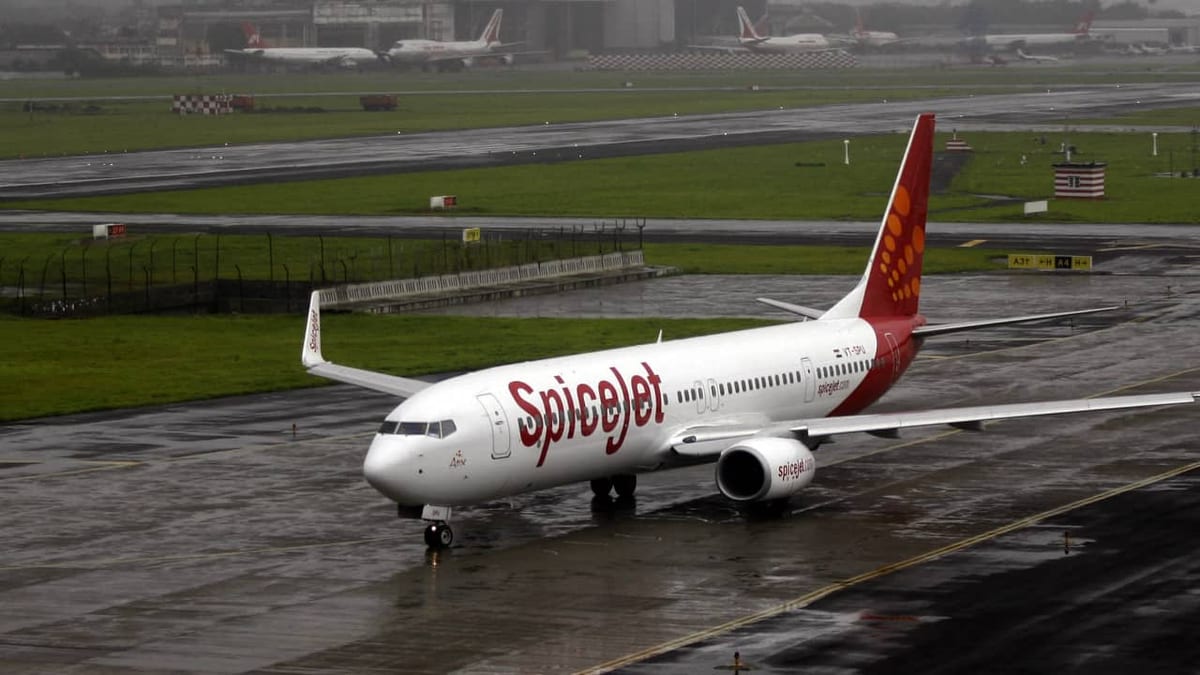
Prolonged delays and abrupt cancellations of multiple SpiceJet flights at Mumbai’s Chhatrapati Shivaji Maharaj International Airport have triggered chaotic scenes at Terminal 1, with videos and posts from stranded passengers describing an overnight ordeal of uncertainty, crowded gates and scant information from staff.
Get the latest news straight to your inbox!
Late Night Disruptions Leave Passengers Stranded
Reports from Mumbai indicate that disruption began late on Wednesday and extended into the early hours, as several SpiceJet departures from Terminal 1 were repeatedly delayed before some were ultimately cancelled. Coverage from Indian news outlets describes crowds of frustrated travellers gathering around departure gates, with many saying they were left to spend the night inside the terminal while they tried to secure alternative arrangements.
According to published coverage, at least three SpiceJet flights, including services to Bengaluru and other domestic destinations, were affected by last minute operational changes. In some cases, passengers had already completed check in and security screening before discovering that departure times had been pushed back by hours or that flights would not operate at all.([indianexpress.com](https://indianexpress.com/article/cities/mumbai/spicejet-flight-cancellations-mumbai-chaos-10663773/?utm_source=openai))
Videos circulating on social media and referenced in local reports show scenes of raised voices at gates, long queues at airline counters and passengers sitting or lying on the floor with their luggage through the night. One widely shared clip captures a traveller shouting in frustration about the lack of clear explanations, while others demand updates on revised timings or rerouting options.([timesofindia.indiatimes.com](https://timesofindia.indiatimes.com/city/mumbai/what-the-hell-is-wrong-chaos-at-mumbai-airport-due-to-inordinate-spicejet-flight-cancellations/articleshow/130625141.cms?utm_source=openai))
Passengers quoted in these accounts describe families with children, elderly travellers and business passengers all caught up in the disruption. Several complained that they received no proactive communication and had to rely on announcements at the terminal or information shared by fellow travellers.
Confusion Over Cancellations and Limited Support
Published coverage from Mumbai notes that the most intense anger appears to have followed instances where flights were cancelled after extended delays, rather than scrubbed well in advance. At Terminal 1, some passengers reported being held for hours past the original departure time before being informed that their flights would not operate, prompting chants and slogans criticising the carrier.([indianexpress.com](https://indianexpress.com/article/cities/mumbai/spicejet-flight-cancellations-mumbai-chaos-10663773/?utm_source=openai))
Accounts in local media indicate that airline counters and ground staff struggled to cope with the volume of queries from stranded passengers. Travellers alleged that information was provided in fragments, with different staff giving different answers regarding rebooking, refunds or accommodation. Several reports mention that many passengers ultimately chose to book last minute alternatives on other airlines at significantly higher fares, while others opted to abandon or postpone their trips.([indianexpress.com](https://indianexpress.com/article/cities/mumbai/spicejet-flight-cancellations-mumbai-chaos-10663773/?utm_source=openai))
In coverage of the incident, SpiceJet has been cited as attributing a portion of recent disruption to “operational reasons,” including aircraft and crew availability. In similar past episodes involving the airline, public statements have also referred to Flight Duty Time Limitations, which restrict how long crew members can legally operate without rest, occasionally forcing last minute cancellations even when an aircraft is on the ground.([indianexpress.com](https://indianexpress.com/article/cities/mumbai/spicejet-flight-cancellations-mumbai-chaos-10663773/?utm_source=openai))
However, from the passenger perspective, the key complaint highlighted in the latest reports is not only the delay itself but the experience inside the terminal. Travellers describe limited assistance, uncertainty over food or refreshment options, and a lack of clarity on whether they could safely leave the airport or should remain near the gate in case operations resumed.
Pattern of Complaints Around Delays and Communication
The latest turmoil at Mumbai’s Terminal 1 adds to a growing body of public criticism directed at the airline’s handling of delays and cancellations. Social media posts and travel forums have, in recent months, carried multiple accounts of long waits, rolling schedule changes and late night disruptions on SpiceJet routes touching Mumbai and other Indian airports.([reddit.com](https://www.reddit.com/r/AirTravelIndia/comments/1s64o58/absolute_nightmare_with_spicejet_harassment_6/?utm_source=openai))
Earlier reporting from Mumbai documented an instance where a SpiceJet flight to Dubai was delayed by more than 10 hours, with passengers again alleging poor communication and insufficient information about alternative options. Similar reports have emerged from other cities, including cases where delays stretched to 11 or 12 hours before flights were either operated or cancelled, leaving passengers to navigate compensation and rebooking with little guidance.([indianexpress.com](https://indianexpress.com/article/cities/mumbai/passengers-complain-dubai-flight-delayed-by-10-hrs-10124359/?utm_source=openai))
On a broader level, publicly available data on domestic on time performance show that, in recent months, SpiceJet has trailed several competitors at major Indian airports, including Mumbai. A recent analysis of flight punctuality indicated that the airline’s on time performance on key routes serving large metros lagged behind carriers such as IndiGo and Akasa Air, underscoring how persistent operational issues can ripple through already congested hubs.([infra.economictimes.indiatimes.com](https://infra.economictimes.indiatimes.com/news/aviation/domestic-air-traffic-rises-to-4-37-crore-in-march-quarter-flight-delays-hit-1-21-lakh-passengers-last-month/130621217?utm_source=openai))
Industry observers point out that in a tightly scheduled network, even a few disrupted rotations can cascade into missed connections, crew rescheduling challenges and further delays. When this occurs at a busy terminal such as Mumbai’s domestic Terminal 1, the knock on effect can be especially visible, with limited seating, crowded check in areas and pressure on customer service counters.
Regulatory Context and Passenger Rights Spotlighted
The scenes at Mumbai have also renewed attention on India’s passenger rights framework and what stranded travellers can reasonably expect in cases of long delays or last minute cancellations. The Directorate General of Civil Aviation has issued detailed Civil Aviation Requirements setting out obligations around meals, refreshments, accommodation and compensation when disruptions are attributed to reasons within an airline’s control.([reddit.com](https://www.reddit.com/r/AirTravelIndia/comments/1s5td4l/spicejet_delays_flight_by_12_hours_then_cancels/?utm_source=openai))
Consumer advocates and frequent flyers commenting online argue that while these rules exist on paper, awareness among passengers remains patchy, and enforcement often depends on travellers proactively citing regulations at the airport or pursuing complaints after the fact. Recent first hand accounts from those affected by significant SpiceJet delays describe difficulties in securing hotel stays, meal vouchers or compensation, even where travellers believed they were eligible under the guidelines.([reddit.com](https://www.reddit.com/r/AirTravelIndia/comments/1sv47am/spicejet_has_no_shame_zero_accountability_boycott/?utm_source=openai))
The Mumbai disruption has therefore become part of a wider national conversation about how Indian carriers communicate with passengers during operational crises. Commentary in the aviation community suggests that clearer real time updates, more visible escalation channels at airports and better staffed customer service desks could help defuse tensions before they erupt into the kind of chaotic scenes seen this week.
For travellers, the episode serves as a reminder to monitor flight status closely, keep documentation of any changes or delays and familiarise themselves with the compensation and assistance rules that apply to domestic air travel in India. As domestic traffic continues to grow and terminals such as Mumbai’s handle ever higher volumes, the balance between operational resilience and passenger experience is likely to remain under scrutiny.