


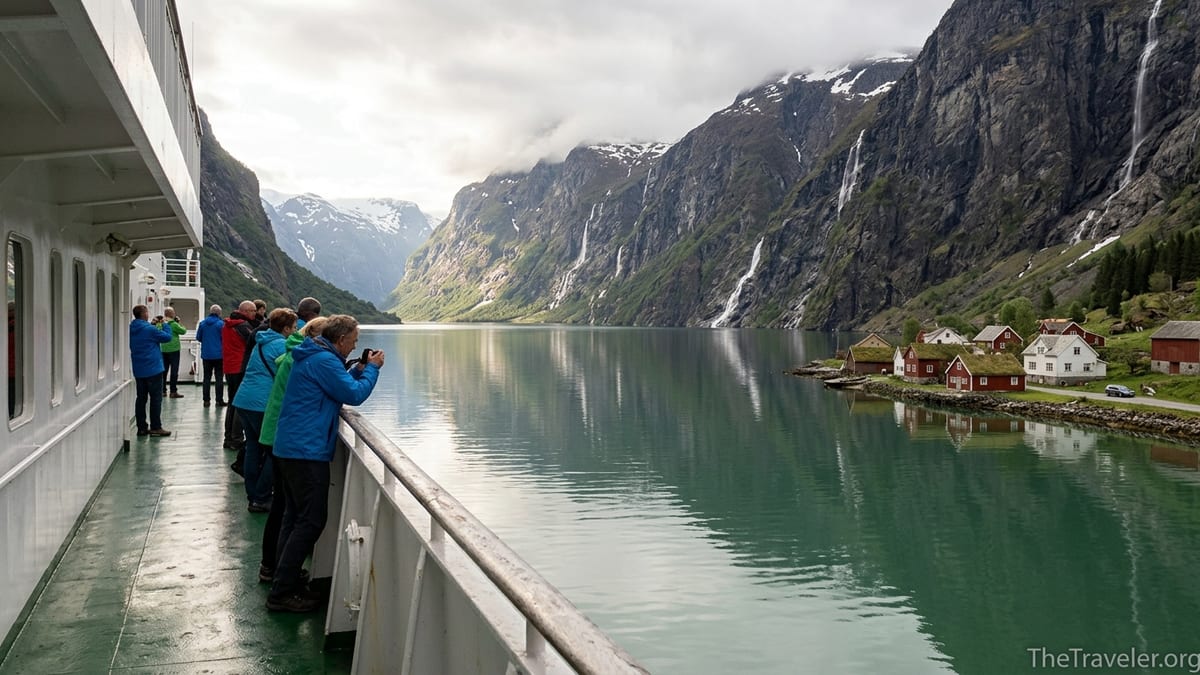
Nobody ever forgets their first glimpse of a Norwegian fjord. Sheer rock walls, waterfalls threading down from snowfields, and tiny red boathouses hugging glassy water create a landscape that feels almost unreal. The good news for travelers is that Norway has turned this wild scenery into a network of thoughtful tours, cruises and travel packages that make it surprisingly easy to experience. From classic coastal voyages and compact fjord day trips to Northern Lights escapes and rail-and-sail combinations, here are the best Norway tours, cruises and packages to book now for an unforgettable journey.
Get the latest updates straight to your inbox!
How to Choose the Right Norway Tour or Cruise
Norway looks small on the map, but travel times can be long and weather is highly seasonal. The first step is deciding what kind of experience you want most: slow coastal cruising, high-drama fjords, Northern Lights, or a mix. As a rule of thumb, travelers with 7 to 10 days often combine a few nights in Oslo and Bergen with a signature tour such as Norway in a Nutshell, while those with 10 to 14 days might add a Hurtigruten or Havila coastal voyage or time in the Lofoten Islands.
Budget also shapes the decision. A classic 12-day roundtrip Hurtigruten Coastal Express cruise between Bergen and Kirkenes in peak summer often starts around the equivalent of 2200 to 2500 US dollars per person in an inside cabin with full board, while a compact self-guided fjord tour from Bergen can cost closer to 250 to 350 dollars per person depending on season. Many travelers combine one “hero” experience, such as a coastal cruise, with simpler, pay-as-you-go rail and ferry segments elsewhere.
Finally, consider how structured you want your trip to be. Fully packaged itineraries from major operators bundle hotels, rail tickets, fjord cruises and internal flights into one booking, which saves time and reduces stress, especially for first-time visitors. Independent travelers often use point-to-point rail tickets and book individual fjord cruises and activities themselves. A hybrid approach is popular: use a package for the most logistically complex piece, like a winter Northern Lights safari or coastal cruise, and build the rest of your trip around it.
Iconic Fjord Journeys: Norway in a Nutshell and Beyond
Norway in a Nutshell is one of the country’s most famous tours for good reason. Operated as a self-guided journey by Fjord Tours, it threads together the Bergen Railway across Norway’s mountain plateau, the steep Flåm Railway down to the tiny village of Flåm, a fjord cruise on the narrow Nærøyfjord, and a scenic bus link through the valleys. Most travelers start in either Oslo or Bergen and complete the core route in a long day or over one or two nights.
Typical prices for a one-day Norway in a Nutshell itinerary between Oslo and Bergen that includes the Bergen Railway segments, the Flåm Railway, fjord cruise and bus connection usually fall somewhere in the range of 250 to 350 US dollars per adult in high season, depending on route and class of rail seat. Many visitors choose to stretch the journey over two days, adding an overnight in Flåm to enjoy quieter evening hours beside the fjord and optional activities like a rib boat safari or short hikes above town.
The individual components of Norway in a Nutshell can also be booked independently. For example, you can buy point-to-point tickets on the Bergen Railway between Oslo and Myrdal, purchase a separate ticket on the Flåm Railway to descend to Flåm, and then join a standalone Nærøyfjord cruise between Flåm and Gudvangen. Travelers who piece it together themselves sometimes save a modest amount of money and gain more flexibility on exact departure times, but they also take on the work of coordinating all segments and ensuring enough transfer time.
For a slightly different twist, look at Sognefjord-focused day trips from Bergen, which combine a fast boat along the longest fjord in Norway with optional rail segments. These tours often run from roughly April to October and appeal to travelers who prefer to stay based in Bergen but still want a serious fjord experience without changing hotels.
Classic Coastal Voyages: Hurtigruten and Havila
The spine of Norway’s coastal tourism is the long-established shipping route between Bergen and Kirkenes. Two companies now run passenger voyages along this route: Hurtigruten, the historic operator that has sailed the coast since the late nineteenth century, and Havila Voyages, a newer line with modern, energy-efficient ships. Both combine locals using the boats as practical transport with international visitors treating the route as a scenic cruise.
A full 12-day roundtrip voyage from Bergen to Kirkenes and back is the signature experience, visiting around 30-plus ports along the way. Passengers wake up to fishing villages like Ålesund or Svolvær sliding past their cabin windows, spend afternoons on deck as the ship threads narrow channels between islands, and often disembark for short walking tours in towns such as Trondheim or Tromsø. Summer sailings focus on scenery and the Midnight Sun, while winter departures showcase the Northern Lights with dark skies and snow-covered peaks.
Prices on the coastal route vary by season, cabin type and how far you sail. As a broad guide, a seven-day northbound segment from Bergen to Kirkenes in standard inside accommodation with meals often starts around 1700 to 2000 US dollars per person in mid-season, while a full 12-day roundtrip in a window cabin during peak summer can climb into the 3000 to 4500 dollar range or more. Early-booking discounts and shoulder-season departures in April, May, September and October can bring the cost down while still offering striking scenery.
Shore excursions, such as rib boat safaris to Trollfjord, visits to the North Cape plateau, or Sami cultural experiences with reindeer sledding near Honningsvåg, are typically sold separately. Travelers on a tighter budget often stick to walking around port towns independently, using the ship itself as the main attraction. Those looking for a touch of comfort will find cozy lounges, panoramic observation decks, simple but hearty Norwegian cuisine focused on local seafood, and optional upgrades to superior cabins or small suites.
Northern Lights and Arctic Norway Packages
Northern Norway sits directly under the auroral oval, which makes it one of the world’s most reliable regions for spotting the Northern Lights between roughly late September and late March. Popular bases such as Tromsø, Alta and the Lofoten Islands host a growing number of dedicated Northern Lights packages that bundle flights or long-distance transport, accommodation and nightly aurora-chasing excursions.
A typical three- or four-night Northern Lights package based in Tromsø might include airport transfers, hotel with breakfast, one or two guided aurora hunts by minibus or small coach, and daytime activities such as dog sledding or a fjord cruise. Price-wise, travelers can expect many midrange packages to start somewhere around 900 to 1500 US dollars per person for several nights, rising with upgrades to boutique lodges, glass-roof cabins or small-group photography tours.
When comparing Northern Lights tours, look beyond just price and pay close attention to group size and guiding credentials. Local authorities in Tromsø have introduced guidelines to manage the rapid growth of aurora tourism, and recent traveler reports highlight the difference between licensed operators using safe vehicles and unregulated guides who may crowd roadside viewpoints or drive long distances in difficult winter conditions. Choosing established companies with clear safety policies and good recent reviews is a practical way to protect both your experience and local communities.
Travelers who want to combine Northern Lights viewing with coastal cruising can book winter departures on the Bergen to Kirkenes route or shorter segments such as Tromsø to Kirkenes. Some voyages promote an aurora “guarantee” in winter, offering onboard announcements when lights appear and darkened deck areas for photography. Even so, the aurora is a natural phenomenon, and the best strategy is to build in a few nights on land before or after your cruise to maximize your chances of clear skies.
Rail and Sail: Scenic Train Routes That Elevate Any Itinerary
Even if you do not book a full package, Norway’s scenic railways can turn simple transfers into highlights. The Bergen Railway between Oslo and Bergen is often cited as one of Europe’s great train journeys, climbing from forests in eastern Norway to a high mountain plateau around Finse before descending through waterfalls and valleys toward the west coast. The full trip takes around six and a half to seven hours, with multiple daily departures and the option to stop at small mountain stations en route.
Branching off the Bergen Railway at Myrdal, the Flåm Railway drops around 860 meters in roughly 20 kilometers, passing steep-sided valleys, a famous waterfall viewpoint at Kjosfossen, and clusters of old farm buildings now used as summer cabins. Short as it is, the ride is dramatic enough that many visitors prioritize it even on tight schedules, either as part of Norway in a Nutshell or as a day trip from Bergen or Oslo. Both railways operate year-round, though winter timetables are slightly more limited and snow can lead to slower conditions at times.
Several international tour companies sell “rail and sail” style packages that wrap these lines into broader Scandinavian itineraries. For example, you might see a 10- to 14-day route that starts in Stockholm, connects to Oslo by train, crosses Norway via the Bergen Railway with a side trip on the Flåm line, cruises a fjord like Nærøyfjord, then joins a Hurtigruten or Havila coastal voyage from Bergen northward. These packages typically sit in the mid- to upper price bracket, but they reduce the planning required across multiple countries and often include luggage transfers between hotels.
Independent rail travelers can book Norwegian train tickets directly through national rail and private operators and then add individual fjord cruises or bus connections. Standard advance fares between Oslo and Bergen can be quite reasonable outside peak dates, especially when booked several months ahead. For travelers who value flexibility and do not mind comparing timetables, building a personalized rail-and-fjord route can be one of the best value ways to see a lot of Norway in a short time.
Short Fjord Cruises and Day Tours from Oslo and Bergen
Not everyone has time for a long cruise or multi-day package, and that is where Norway’s day tours shine. From Bergen, a classic choice is a three- to five-hour fjord cruise into nearby waterways such as the Osterfjord and Mostraumen. Boats depart close to the city center and sail through narrow passages between cliffs, often easing under low bridges and approaching waterfalls close enough that deckhands collect a splash of fresh mountain water for passengers to taste.
Longer day trips departing Bergen by fast catamaran head into Sognefjord, sometimes paired with a short rail segment or bus transfer to complete a loop. These tours run largely from spring through autumn and cater to travelers who want serious fjord scenery while still keeping Bergen as a base. Typical prices often sit in the range of 100 to 200 US dollars per person for a full-day combination of boat and land transport, depending on season and included segments.
From Oslo, fjord sightseeing usually focuses on the sheltered Oslofjord, with two- to three-hour cruises passing islands dotted with summer houses and wooded shores. The scenery is gentler than the dramatic west coast fjords, but it offers a pleasant introduction to Norwegian coastal life and can be combined with walking or cycling on the peninsula of Bygdøy, home to several major museums. Some operators also offer evening cruises with simple meals, which can be a relaxed way to end a whirlwind city-break itinerary.
Several regional hubs such as Ålesund, Tromsø and Bodø offer their own fjord and island excursions by boat, often marketed under names like “midnight sun cruise” in summer or “winter fjord safari” between late autumn and early spring. For travelers designing their own itineraries, these short cruises are useful building blocks, allowing you to dip into fjord landscapes without committing to a full multi-day voyage.
Best Seasons, Budget Tips and Booking Strategies
Seasonality is central to any Norway trip. June through August bring the warmest weather, most daylight and the widest choice of tours and departures, but also the highest prices and crowds on the most famous routes. Shoulder months such as May and September can offer a good balance of lower prices, lingering snow on mountain peaks and fewer tour groups, though some rural accommodations and activities may operate on reduced schedules or close entirely outside the main summer window.
Winter, from roughly late November through March, is the prime time for Northern Lights trips and snow-based activities such as dog sledding and snowshoeing. Coastal voyages, rail journeys and many fjord cruises still operate year-round, but timetables may be reduced, and weather-related delays are more likely. Travelers need to plan extra buffer time, especially if they are connecting to long-haul flights from Tromsø or other northern hubs.
Norway has a reputation for being expensive, but thoughtful planning can keep costs under control. Booking rail tickets and coastal voyages several months ahead usually yields better fares, as does traveling in April, May, September or early October instead of peak July and early August. Many packaged tours price in Norwegian krone, so fluctuations in exchange rates can affect final costs for visitors paying in dollars or euros. Checking whether meals are included on cruises or packages is important, as onboard and restaurant dining can add up quickly.
Travel insurance that covers missed connections, weather-related disruptions and medical care is strongly recommended, particularly for winter trips north of the Arctic Circle. Norway’s infrastructure is generally excellent, but storms can still close mountain roads, delay ferries or disrupt flights, and having coverage allows you to book essential tours and transport with greater confidence.
The Takeaway
What makes Norway stand out as a destination is not just the scenery but the way it has been woven into a network of smart, flexible tours. Whether you board a Hurtigruten ship in Bergen for a slow journey past cod-drying racks and fishing villages, ride the Flåm Railway down to a mirror-still fjord, or wrap up under reindeer hides on a Northern Lights chase outside Tromsø, each experience feels distinct yet connected.
For a first visit, many travelers find a sweet spot in combining a few days in Oslo and Bergen with a signature scenic package like Norway in a Nutshell, then adding either a short fjord cruise or part of the coastal voyage. Those returning for a second or third time might focus on a single region, such as the Lofoten Islands or the far north, using rail and coastal ferries to dig deeper.
The most unforgettable Norwegian journeys are rarely the most complicated ones. They are the mornings when you slide open a cabin curtain to find a new harbor outside, the way clouds cling to a mountain shoulder as a train hugs the contour, or the first time the Northern Lights spill across the sky. With the right mix of tours, cruises and packages, Norway makes those moments not just possible, but pleasantly straightforward to arrange.
FAQ
Q1. How many days do I need in Norway to include a fjord tour and a coastal cruise?
Most travelers who want both a fjord tour and a segment of the coastal voyage should plan at least 9 to 12 days. That allows 2 to 3 days split between Oslo and Bergen, 1 or 2 days for a route like Norway in a Nutshell, and 4 to 6 days for a one-way coastal segment between Bergen and ports such as Tromsø or Kirkenes without feeling rushed.
Q2. Is Norway in a Nutshell worth booking as a package, or should I arrange it myself?
Norway in a Nutshell works well both ways. The official package costs roughly the same as buying the components separately, but it combines everything into one ticket and coordinated timetable, which many first-time visitors value. Independent travelers comfortable with timetables sometimes book the Bergen Railway, Flåm Railway, fjord cruise and bus separately for a little more flexibility on departure times.
Q3. When is the best time of year for a fjord cruise in Norway?
The prime fjord season is from late May through early September, when boats run more frequently and most mountain roads are open. July and early August have the most departures but also the biggest crowds. May, June and September can offer a good balance of snow-dusted peaks, relatively mild temperatures and fewer tour groups.
Q4. How far in advance should I book a Hurtigruten or Havila coastal cruise?
For popular summer departures and Christmas or New Year sailings, booking 6 to 9 months in advance is wise, especially if you want a specific cabin type. Shoulder-season voyages in spring and autumn may be available closer to departure, but early bookings still tend to secure better prices and cabin choice.
Q5. Can I see the Northern Lights from a regular fjord cruise or coastal voyage?
Yes, on winter departures above the Arctic Circle there is a reasonable chance of seeing the Northern Lights directly from the ship on clear nights. Many operators provide aurora alerts and dim deck lights when the lights appear. However, it is still worth adding a few nights on land with a dedicated Northern Lights tour to increase your chances and allow for cloudy evenings.
Q6. Are Norway tour packages suitable for families with children?
Many Norway tours and cruises are family-friendly, especially in summer. Coastal voyages and fjord day cruises typically welcome children, and rail journeys are often easier with kids than long car drives. When booking, check cabin layouts, availability of triple or family rooms, and whether excursions such as rib safaris have minimum age or height requirements.
Q7. How expensive is food on Norwegian cruises and tours?
Food in Norway is generally expensive by many visitors’ standards, and this extends to cruise ships and tour areas. Packages that include at least breakfast and some dinners can help manage costs. On coastal voyages, many travelers eat the included buffet meals on board and limit extra snacks or drinks, since those can add up quickly over a multi-day trip.
Q8. Do I need to rent a car if I am using tours and public transport?
No, it is entirely possible to explore large parts of Norway without renting a car. Trains, long-distance buses, domestic flights and organized tours connect most major scenic areas, and packages often combine these modes for you. A car becomes more useful if you want to explore smaller villages at your own pace or stay in remote cabins not served by public transport.
Q9. What should I pack for a Norway cruise or multi-day tour?
Layers are essential in Norway, regardless of season. Pack a waterproof jacket, warm mid-layer, comfortable walking shoes, a hat and gloves even in summer for windy decks or mountain stops, and a small daypack for shore excursions. In winter, insulated boots and thermal base layers make outdoor activities like Northern Lights chasing and dog sledding far more comfortable.
Q10. Are Norway tours accessible for travelers with limited mobility?
Accessibility varies by operator and itinerary, but many trains, ferries and larger cruise ships have step-free access, elevators and adapted cabins. Some fjord cruise boats and coastal ships also provide accessible viewing decks. It is important to discuss specific needs with tour providers before booking, as certain excursions, such as steep village walks or rib safaris, may not be suitable for all travelers.