


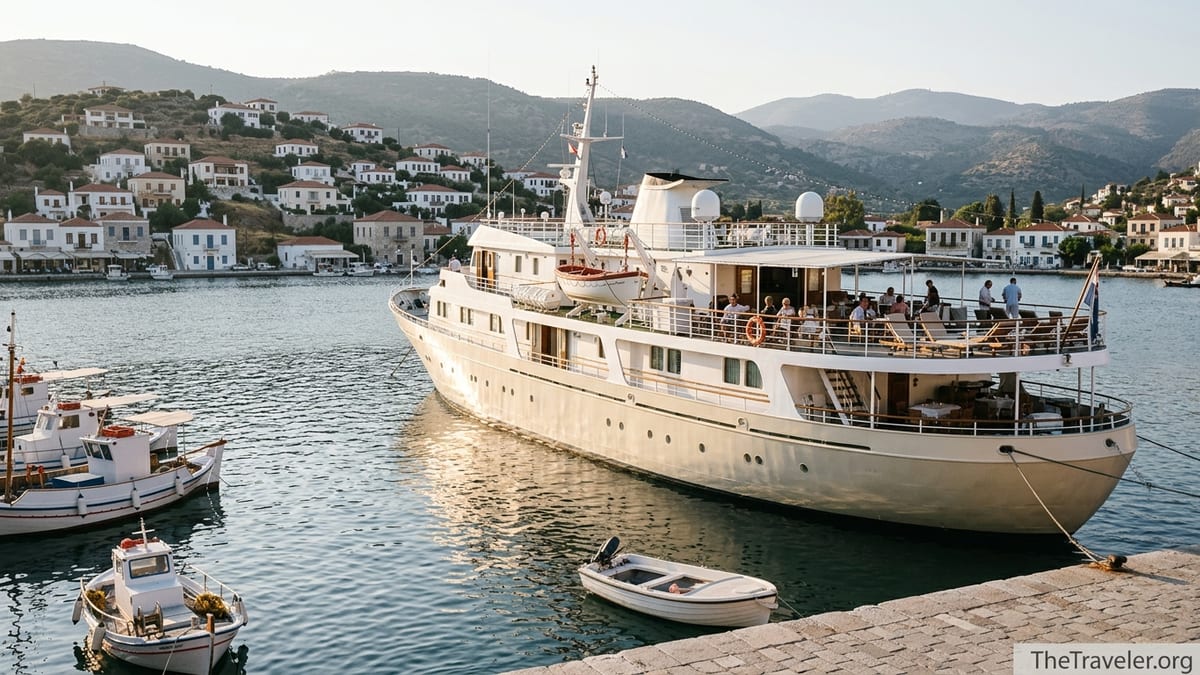
If you love the idea of waking up to a new horizon every morning but dread packed pool decks, lengthy buffet lines, and overbooked shore excursions, small cruise ships offer a very different way to travel. Instead of thousands of passengers competing for loungers and dining reservations, these vessels focus on space, service and access to quieter ports. From yacht-style ships that feel more like a floating boutique hotel to expedition vessels exploring remote wilderness, there are now more options than ever for travelers who want the ocean without the crowds.
Why Ship Size Matters When You Hate Crowds
The biggest difference between a mega-ship and a small ship is not just the number of people on board, but how that number affects every part of your day. Modern mega-ships can carry more than 6,000 passengers, while many small-ship and expedition lines cap capacity at a few hundred guests or fewer. That gap shapes everything from how easily you find a quiet corner with a book, to how stressful it feels to move through public spaces at peak times.
One practical way cruise experts compare experiences is space ratio, which is the ship’s gross tonnage divided by its passenger capacity. A higher space ratio generally means more elbow room per person and fewer pinch points where lines form. Guides that compare ship sizes typically group vessels under about 1,000 passengers as “small” and under 350 passengers as “intimate,” and those categories are where you start to see consistently shorter lines, quieter lounges and less competition for pool chairs.
For travelers who dislike crowds, these structural differences matter more than any single onboard feature. On a small ship, the theater, buffet and pool are not trying to funnel thousands of people through at once. Instead, you might sit down to breakfast without a buzzer, walk off with the first wave for a tender boat, or stroll into an evening lecture a few minutes before start time and still get your preferred seat. The overall pace tends to be slower, and the daily rhythm feels more like a boutique hotel than a floating resort.
There are trade-offs. Smaller ships usually have fewer restaurants, a more compact spa and a shorter list of attractions than the latest mega-ships. You are unlikely to find water parks, roller coasters or massive Broadway-style theaters. But for travelers who truly prioritize calm over constant entertainment, that is often a benefit rather than a drawback. The key is matching your expectations to the right style of small ship.
How Small Is “Small”? Key Categories to Know
“Small ship” is used loosely in cruise marketing, so it helps to understand the major size categories before you book. At the intimate end of the spectrum are yacht-style and expedition vessels carrying roughly 100 to 350 guests. Lines like SeaDream Yacht Club, with twin mega-yachts SeaDream I and II, typically sail with around 100 to 112 passengers, while many luxury expedition ships in Antarctica or the Galápagos fall under 200. These sailings usually feel more like a private club than a traditional cruise.
A step up in size are boutique ocean ships in the 350 to 750 passenger range, such as some vessels in the fleets of Windstar Cruises and Silversea. Windstar, for example, markets its ships as “fewer than 350 guests,” with classic sailing yachts carrying about 148 passengers and its all-suite Star Plus class accommodating around 312 to 342 guests. This range tends to offer a balance: enough venues and dining choices to keep things varied, but still small enough that you rarely feel engulfed by other travelers.
Beyond that are what many travelers call “midsize” ships, usually carrying between 750 and 2,000 guests. These vessels are not the focus of this article, but they are worth a mention because some crowd-averse travelers find them to be a comfortable compromise. Lines like Viking Ocean and some of the smaller ships in premium fleets often sail in this range. While you will see more people than on a true small ship, they still feel far less busy than the largest family-focused mega-ships.
When you shop for a cruise, pay attention to both the raw passenger capacity and how the ship is designed. A reasonably small ship with poor traffic flow can still develop bottlenecks, while a slightly larger ship with multiple dining venues and outdoor terraces can spread guests out effectively. Comparing your options by passenger count gives you a baseline, but the onboard layout, scheduling of activities and age policies also play a major role in how crowded your sailing will feel.
Yacht-Style Small Ships: SeaDream and Windstar
For many travelers, the ideal way to avoid crowds at sea is to choose a yacht-style line where the number of guests is closer to a small hotel than a city-sized resort. SeaDream Yacht Club is one of the clearest examples. Its two nearly identical ships, SeaDream I and SeaDream II, each carry just over 100 guests and around the same number of crew. Reviewers often describe the experience as “being on your own private yacht,” with uncrowded sun decks, a watersports marina at the stern and intimate open-air dining where you quickly recognize most of your fellow passengers.
On a typical SeaDream Caribbean sailing, you might anchor off Anguilla or St. Barts and transfer ashore in a small tender with a few dozen other guests, rather than joining a queue of hundreds snaking across a pier. Onboard, the pool area feels relaxed rather than packed, and you can often find a cushioned Balinese bed on deck without racing up at sunrise to reserve a spot. There is no casino or Broadway show to draw big crowds at once; evenings tend to revolve around outdoor dining, low-key music and conversation.
Windstar Cruises offers a slightly larger, but still decidedly small-ship approach. Its Wind Class sailing yachts, such as Wind Star and Wind Spirit, sail with around 148 guests and large canvas sails that contribute to a true yacht atmosphere. The Star Plus motor yachts carry roughly 312 to 342 passengers and are all-suite ships with multiple restaurants and a relaxed, clubby vibe. Windstar heavily promotes its “fewer than 350 guests” positioning, and in practice that means fewer lines at the breakfast buffet, quick embarkation and the ability to tender into quieter ports that large ships cannot reach.
A practical example: on a Windstar itinerary in the Greek Islands, you might be one of only a couple hundred passengers walking off into a harbor like Nafplio or Monemvasia. Rather than dodging thousands of fellow cruisers at once, you share the day with a relatively small community, then return to a ship where the lounge, pool and small spa rarely feel overwhelmed. For travelers who dislike crowds but still want a more traditional cruise framework than the ultra-intimate yachts, this style of ship often hits the sweet spot.
Expedition & Discovery Yachts: Scenic Eclipse, Ponant and Beyond
Another way to trade crowds for calm is to choose an expedition or “discovery yacht” style cruise. These ships are designed to explore remote regions like Antarctica, the Arctic, Greenland or the Kimberley coast of Australia, where passenger counts are naturally limited by environmental regulations and the need for Zodiac landings. Scenic Eclipse, often described as a six-star discovery yacht, carries up to 228 guests in all-suite accommodation and is built to polar-class standards. Onboard, public spaces like the observation lounge, spa and multiple restaurants are sized for a few hundred people, not thousands.
Travelers who have sailed on Scenic Eclipse often note that the ship feels surprisingly spacious. With several dining venues, from casual all-day cafes to fine-dining restaurants, and extensive outdoor terraces, guests are dispersed throughout the day. Instead of a single main theater that empties into crowded corridors, you might attend a science lecture in a comfortable lounge with panoramic windows, then walk a few steps to a quiet bar for a drink. The focus is on enrichment and destination immersion rather than high-energy nightlife, which naturally reduces congestion.
French line Ponant offers a similar scale on its newer expedition ships, many of which carry between 180 and 270 guests. These sleek, yacht-like vessels are designed to feel contemporary and intimate, with features such as underwater lounges on some ships and large aft marinas for Zodiac operations. Because expedition cruising typically caps group sizes for shore landings, guests are divided into small groups that rotate through activities, which spreads people out both ashore and onboard. Instead of lining up with hundreds of others for a single afternoon excursion, you might join a group of 10 to 20 for a guided hike or Zodiac tour.
For travelers specifically seeking isolation from crowds, the destinations these expedition ships visit are part of the appeal. Sailing among glaciers in Antarctica or exploring less-visited fjords in Iceland simply does not lend itself to mass tourism in the way that a summer Mediterranean loop does. While these cruises can be significantly more expensive than mainstream itineraries and often sell out far in advance, they reward those who can splurge with some of the quietest, least congested experiences available at sea.
Luxury Small Ships: Silversea and Similar Lines
If you prefer a traditional ocean cruise feel but with fewer people and more personal space, luxury small-ship lines are worth serious consideration. Silversea Cruises, for example, operates a fleet of ships that often carry between 200 and 700 guests, depending on the vessel and itinerary. Onboard, nearly all cabins are suites, many with butler service, and the passenger-to-crew ratio is typically far more generous than on a mainstream mega-ship. The result is a noticeably calmer environment, with staff able to recognize you by name after a day or two.
Travel anecdotes often highlight how this scale changes the day-to-day experience. On a Silversea voyage in the Mediterranean, a traveler might start the morning with room service breakfast on a private balcony, then walk into the main restaurant at a reasonable hour without a wait. Shore excursion groups tend to be smaller, and even popular activities like wine tastings or cooking demonstrations are capped at numbers that allow real interaction. Pool decks, while not huge, are rarely shoulder-to-shoulder, and sunbeds remain available throughout the day.
Other luxury small-ship providers, such as Seabourn and Regent Seven Seas, follow a similar blueprint: relatively low guest counts compared with the big-brand fleets, multiple dining options without surcharges, and entertainment that leans toward live music, talks and small-scale shows instead of large, choreographed productions. These ships may still offer casinos and some nightlife, but the tempo is markedly quieter. Because fares are higher and include more, from drinks to excursions on some itineraries, the crowds tend to skew toward travelers seeking relaxation rather than high-intensity activity.
For many crowd-averse travelers, the higher base fares of luxury small-ship lines are offset by the overall experience. It is not just that you spend less time waiting in line; it is that the ship feels more like a serene resort at sea than a theme park. If your vacation priorities include attentive service, good food and plenty of quiet corners, this category delivers those benefits without forcing you into a truly tiny expedition vessel.
Premium “Smaller” Ships: Viking Ocean and Adult-Focused Options
Not every traveler can or wants to sail on the most exclusive small ships, but you can still reduce crowding by opting for premium lines that cap their ships at a more moderate size and design them intentionally for space and flow. Viking Ocean, for instance, operates ships that carry around 930 passengers, all adults, with a strong emphasis on destination-focused itineraries and included cultural programming. While these are not tiny vessels, many guests report that the ships feel uncrowded thanks to a generous amount of indoor and outdoor lounge space and the absence of kids’ clubs and water parks.
Adult-focused cruise lines such as Virgin Voyages, which sails ships around 110,000 gross tons with an approximate capacity of 2,700 passengers, offer an interesting middle ground. On paper, they are smaller than the largest mega-ships and are designed to spread guests across numerous bars, eateries and entertainment venues. Virgin’s ships, for example, do not have a single massive dining room; instead, they use a collection of smaller restaurants that operate more like a group of specialty venues. Travelers who have sailed with Virgin often comment that, except at a few peak times like prime pool hours or popular shows, the ships feel less hectic than similarly sized family-focused vessels.
Choosing an adult-only or adults-primarily line can also help reduce perceived crowding, even if the ship is not technically small. With no children’s pools, splash zones or large-scale family activities, the noise level in public spaces tends to be lower, and there are fewer occasions where hundreds of people converge on the same area at once. For couples, groups of friends or solo travelers who value a calmer atmosphere but still want a wide choice of bars and restaurants, these ships can be a practical compromise.
The key is to be realistic: a 2,700-passenger ship, however well designed, will never feel as quiet as a 112-guest yacht. But if your main goal is to avoid the most extreme crowds and long lines typical of 5,000-plus-passenger mega-ships, premium and adult-focused ships are often a major step in the right direction. When you research, read recent passenger reviews paying particular attention to complaints about lineups for dining, tendering and show reservations, as these can vary by season and occupancy.
Practical Strategies for Avoiding Crowds on Any Small Ship
Picking the right ship is only half the equation. Even on relatively small vessels, your choices of cabin, itinerary and timing can dramatically shape how crowded your cruise feels. For example, choosing shoulder-season sailings in Europe or Alaska can reduce overall occupancy compared with peak summer or holiday departures. Early May or late September cruises often sail slightly under capacity, which means more breathing room in public spaces, shorter waits for tenders and easier last-minute shore excursion bookings.
Cabin location matters too. If you are sensitive to noise or foot traffic, avoid cabins near elevators, stairwells or directly above busy venues like theaters and nightclubs. On a small ship, you might be only a few deck levels away from everything no matter where you stay, so you can prioritize quiet over proximity. Midship cabins on higher decks often offer a good balance: convenient without being directly in a traffic corridor.
Daily habits play their part. Dining slightly outside peak times, such as arriving for breakfast earlier or later than the 8 to 9 a.m. rush, can mean walking straight to a table rather than waiting behind a line. Many small-ship lines also allow you to reserve specialty restaurants before sailing; doing this as soon as bookings open can eliminate the need to queue at a reservations desk on embarkation day. Similarly, if your ship uses a tender boat to reach port, joining either the first wave ashore or waiting until the initial rush has subsided can spare you from standing in crowded stairwells.
Finally, consider booking with a travel advisor or cruise specialist who understands small-ship products. Advisors familiar with lines like Windstar, SeaDream, Scenic, Silversea and Viking can steer you toward specific ships and sailings that are historically less busy and help you interpret subtle differences in layout plans. Their guidance can be especially useful if you are moving up from a large mainstream ship and want to be sure your next cruise feels genuinely calmer.
The Takeaway
If you love the romance of life at sea but dislike the idea of jostling with thousands of fellow passengers, the growing world of small and smaller cruise ships offers compelling alternatives. True yacht-style ships like SeaDream’s twins or Windstar’s sailing vessels give you an intimate, club-like atmosphere where you quickly recognize faces and rarely see a queue. Expedition and discovery yachts such as Scenic Eclipse and Ponant’s fleet take you to remote corners of the globe with passenger counts low enough that landings and lectures feel personal rather than crowded.
Luxury lines including Silversea and other high-end operators provide a more traditional cruise structure with multiple restaurants and entertainment options, yet still keep guest numbers small enough to maintain a sense of calm. Even if your budget or preferences lean toward somewhat larger ships, premium and adult-focused lines like Viking Ocean or Virgin Voyages can significantly reduce the crowd factor compared with the biggest mega-ships by capping capacity lower and spreading guests across more spaces.
Ultimately, avoiding crowds and long lines at sea comes down to a combination of ship choice, timing and realistic expectations. By prioritizing passenger capacity and space over headline-grabbing attractions, traveling in shoulder seasons where possible, and using simple strategies like off-peak dining and thoughtful cabin selection, you can transform cruising from a crowded theme-park experience into something closer to a serene, moving hotel. With careful planning, the ocean can feel spacious again, even when you are sharing it with fellow travelers.
FAQ
Q1. What is considered a “small” cruise ship if I want to avoid crowds?
Most cruise guides consider ships under about 1,000 passengers to be small, and under 350 passengers to be truly intimate. If your top priority is avoiding crowds, aim first for ships carrying fewer than 500 guests, and ideally under 300 if your budget and travel style allow.
Q2. Which small-ship cruise lines are best for a quiet, yacht-like experience?
SeaDream Yacht Club and Windstar Cruises are two of the best-known yacht-style lines. SeaDream’s twin ships sail with just over 100 guests, while Windstar’s sailing yachts carry around 148 passengers and its all-suite Star Plus yachts accommodate roughly 312 to 342 guests, all of which helps keep public areas feeling relaxed.
Q3. Are expedition cruises less crowded than regular ocean cruises?
Yes, expedition ships are typically much less crowded because they are limited to a few hundred passengers or fewer and operate small-group landings by Zodiac or tender. Lines like Scenic and Ponant design their discovery yachts to spread guests across multiple lounges and dining rooms, so even on sea days the ship rarely feels busy.
Q4. Do adult-only cruise lines really feel less crowded?
Adult-only lines can feel less chaotic, even when passenger counts are moderate, because there are no children’s pools, splash zones or large family activities that draw big groups at once. Lines like Viking Ocean and Virgin Voyages focus on adults and design their public spaces and entertainment accordingly, which often results in a calmer overall atmosphere than similar-sized family-focused ships.
Q5. Will I be bored on a small ship compared with a mega-ship?
It depends on what you enjoy. Small ships generally do not have water parks, large production shows or endless bars, but they often offer strong food, attentive service, enrichment lectures and destination-focused excursions. If you value quiet corners, good conversation and time ashore over constant adrenaline, you are unlikely to be bored on the right small-ship itinerary.
Q6. How much more expensive are small-ship and expedition cruises?
Small-ship, luxury and expedition cruises usually cost more upfront than mainstream mega-ship sailings, sometimes significantly so. However, fares often include extras like drinks, Wi-Fi or excursions that big-ship lines sell separately. When you factor in these inclusions and the value of a less crowded experience, many travelers find the higher price worthwhile, especially for milestone trips.
Q7. What is the best time of year to sail if I want fewer people on board?
Shoulder seasons usually offer lower occupancy than peak periods. For example, early May or late September in the Mediterranean or Alaska often see fewer families, slightly lower fares and more availability, which together translate into a calmer ship. Avoid school holidays, major festivals and midsummer sailings if you are particularly crowd-averse.
Q8. How can I tell if a ship will feel crowded before I book?
Look at the passenger capacity, study deck plans to see how many dining venues and lounges there are, and read recent passenger reviews focused on lines and congestion. If travelers repeatedly mention long waits for dining, tender boats or shows, that is a warning sign. A ship with a relatively low passenger count but multiple restaurants and lounges is more likely to feel spacious.
Q9. Are there health or safety advantages to choosing smaller ships?
Health guidance notes that illness can spread more easily in very dense, high-contact environments, especially on ships with large passenger counts. Smaller ships naturally involve fewer people sharing dining rooms, elevators and excursion boats, which some travelers view as an added layer of comfort. Regardless of ship size, following basic hygiene and any onboard health protocols remains important.
Q10. Should I work with a travel advisor to book a small-ship cruise?
Working with a cruise-focused travel advisor is often a good idea, especially for small-ship and expedition products that may be unfamiliar. Advisors who regularly book lines like Windstar, SeaDream, Silversea, Scenic or Viking can help you choose specific ships and dates that are known for a quieter vibe, explain what is included in the fare and secure cabins in locations that minimize noise and traffic.