


Karaköy has gone from working port to one of Istanbul’s most compelling neighbourhoods. Between its revamped Galataport cruise terminal, the new Istanbul Modern, historic ferry piers and backstreets full of cafés and baklava, this compact area offers more than enough for a full day on the European side of the Bosphorus. This guide walks you through the best things to do in Karaköy, with practical, real-world suggestions for where to eat, what to see and how to make the most of the waterfront.
Get the latest updates straight to your inbox!
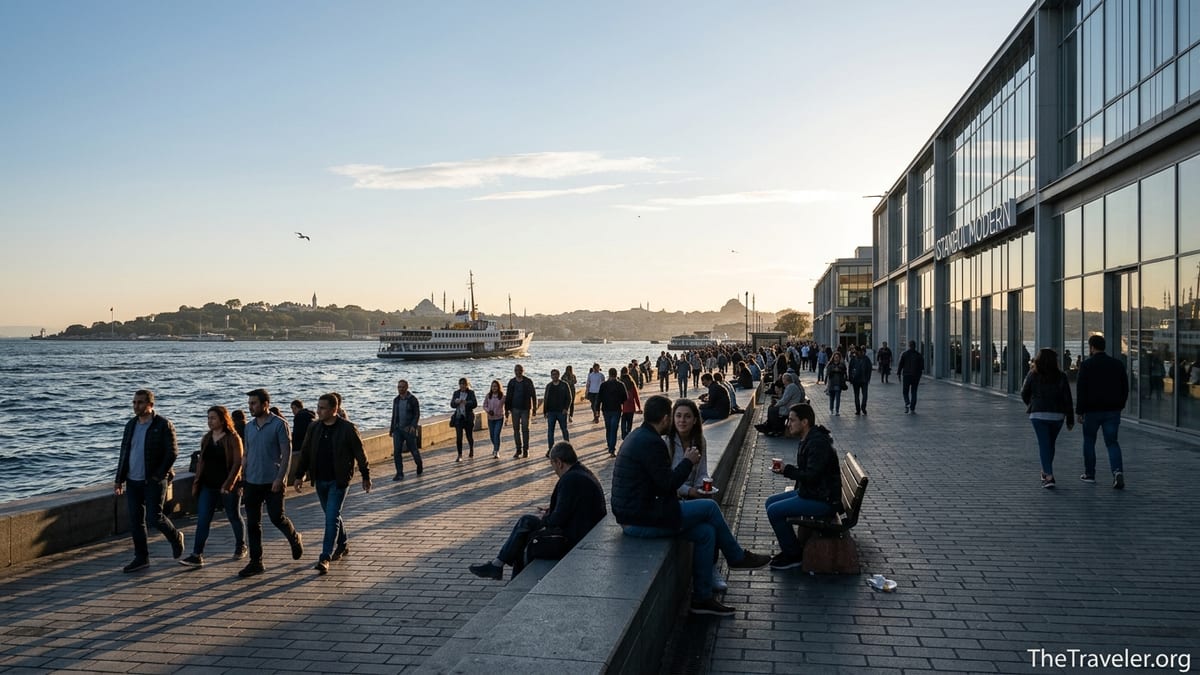
Getting Oriented in Karaköy and Galataport
Karaköy sits at the mouth of the Golden Horn, between the historic peninsula of Sultanahmet and the fashionable slopes of Galata and Beyoğlu. For most visitors the first glimpse is from the tram that runs along the shoreline or from the ferries arriving from Kadıköy and Üsküdar. Today the area is anchored by Galataport, a 400,000 square metre mixed-use redevelopment that transformed the old Port of Istanbul into a pedestrian waterfront with around 250 shops and restaurants, a cruise terminal and major cultural institutions.
The draw of Galataport is how it opens about 1.2 kilometres of waterfront that was previously fenced off by port facilities. You can now stroll almost uninterrupted from the Karaköy ferry pier past the Peninsula Istanbul hotel and along the water to Tophane and the edge of Fındıklı, with constant views across to the minarets of the old city and the Asian shore. Cruise ships dock here, but the terminal is hidden underground, so even on busy days the promenade feels like a public seafront rather than a closed-off harbour.
Allow at least half a day just for this stretch. A realistic pattern for many visitors is to start late morning, have lunch in Karaköy proper, spend the afternoon between Istanbul Modern and the streets of Tophane, then end with a sunset walk back toward the Galata Bridge. If you are arriving by tram, the T1 line’s Karaköy and Tophane stops bracket most of what you will explore on foot.
Karaköy is very walkable, but the cobblestones and occasional hills can be tiring in summer heat. Comfortable shoes are essential, and in July and August temperatures on the open promenade can feel significantly hotter than inland. There are shaded seating areas along Galataport, but if you are sensitive to sun it is worth timing your waterfront walk for late afternoon rather than midday.
Waterfront Walks and Galata Bridge Views
One of the simplest pleasures in Karaköy is a slow walk along the waterfront. A classic route starts near the Galata Bridge, where fishermen line the upper deck with long rods. From here you can look back toward the domes of the New Mosque and the Egyptian Bazaar, then turn your gaze upriver to see the modern high-rises of the business district. This juxtaposition of old and new architecture is one of Istanbul’s defining visuals, and Karaköy is a front-row seat.
As you head south along the water from the bridge toward Galataport, the atmosphere shifts from working ferry docks to the polished paving stones of the new development. On busy summer evenings, local families push strollers along this route, couples take photos with the skyline behind them and office workers sit on the low walls with takeaway tea in traditional tulip-shaped glasses. Street musicians sometimes set up closer to the bridge, especially on weekends, while buskers and informal vendors are more controlled inside Galataport itself.
For many travellers, timing the walk for golden hour is ideal. The low sun hits the stone facades of the historic peninsula across the water and makes the ferries glow as they cut across the Bosphorus. You can realistically walk from the Galata Bridge to the far end of Galataport in around 20 to 25 minutes without stops, but with photo breaks and a coffee pause most visitors take closer to an hour.
If you want to combine the waterfront with a short cruise, consider hopping on a public ferry at Karaköy pier for a quick round-trip to Kadıköy or Üsküdar in the early evening, then returning to walk back over the Galata Bridge after dark. The fare on municipal ferries is modest by European standards and the views you get as the boat pulls away from the shore are an inexpensive way to experience the Bosphorus from the water rather than just beside it.
Art and Architecture: Istanbul Modern and Tophane
Art lovers have a major new reason to base part of a day in Karaköy. Istanbul Museum of Modern Art reopened in May 2023 in a purpose-built structure designed by Renzo Piano, right on the waterfront within the Galataport complex. The building is a low, luminous volume with glass and metal surfaces that reflect the changing light on the Bosphorus. Inside, you will find Turkish and international modern and contemporary art, photography exhibitions and a permanent collection that tracks the evolution of modern art in Türkiye.
Allow at least two hours if you intend to see the main galleries and spend time in the museum shop and café. The upper terraces feature a shallow reflection pool only a few centimetres deep that captures the sky and cityscape, creating a visual echo of the Bosphorus below. Even if you are not a dedicated museum-goer, the combination of architecture, seafront views and a climate-controlled break from the summer heat makes Istanbul Modern an easy recommendation.
Just inland from Galataport, Tophane offers a different kind of culture. Historically home to the Ottoman Empire’s artillery foundry, the quarter takes its name from the word for cannonhouse. The former foundry buildings now host the Tophane-i Amire Culture and Art Center, where temporary exhibitions, installations and student shows rotate through high vaulted halls. Walking uphill from the waterfront you will pass small hardware shops, tea houses and a scattering of contemporary galleries and design studios that reflect the area’s gradual gentrification.
If you are interested in historic religious architecture, look for the Kılıç Ali Pasha Mosque complex near the shore. Designed in the late 16th century by the famed architect Mimar Sinan for an Ottoman admiral, it features a distinctive single dome and slim minaret. The adjoining hamam, restored as a high-end Turkish bath, is one of the most atmospheric places in the city to experience a traditional scrub, though prices here are higher than in more local-oriented bathhouses.
Street Life, Street Art and Backstreet Cafés
Karaköy’s streets behind the waterfront show a very different personality from the polished promenade. Here you will find a mix of old commercial buildings, electrical supply shops, boutique hotels and narrow lanes packed with cafés. Streets like Kemankeş Karamustafa Paşa and the blocks around Kılıç Ali Pasha are lined with small roasteries, brunch spots and bars that spill seating out onto the pavement. On a weekend late morning, finding a table outside can take patience; locals and visitors alike treat this area as a leisurely breakfast and coffee district.
Third-wave coffee culture arrived in Istanbul early on these blocks, and several roasters have become informal landmarks. Cafés such as Karabatak and its neighbours are known for specialty beans, latte art and interiors that mix raw brick with vintage furniture. Prices are slightly higher than in more residential districts, but still reasonable for most visitors. Ordering a flat white or a filtered brew alongside a slice of cake or a simit sandwich is a convenient way to take a mid-morning break without slipping into a long restaurant meal.
Street art is another of Karaköy’s draws. Look up as you walk and you will notice large murals on the sides of former warehouses and more intimate pieces tucked into alleyways and shutter doors. Many works are ephemeral, painted over or replaced, so what you see on any given visit will vary. The general pattern, though, is consistent: colourful faces, abstract shapes and calligraphic tags that reflect Istanbul’s youthful creative scene. Early mornings are a good time to photograph the pieces on shop shutters before businesses lift them for the day.
Because Karaköy still functions as a working neighbourhood rather than a purely touristic enclave, you are likely to see delivery vans unloading restaurant supplies, port workers in high-visibility jackets and locals moving through their routines alongside visitors taking photos. This mix is part of the appeal. If you plan to linger with your camera, be mindful not to block doorways or photograph people in close quarters without permission; the streets are narrow and can get congested quickly.
Baklava, Meze and Café Culture
No visit to Karaköy is complete without a stop at one of Istanbul’s most famous baklava shops. Karaköy Güllüoğlu, which traces its local operation back to the 1940s, occupies a large, bright space a short walk inland from the ferry docks. It functions somewhere between a self-service cafeteria and a patisserie. You queue at the counter, point to the trays of gleaming pastries and choose from classics like pistachio baklava, walnut baklava, şöbiyet or havuç dilimi slices. Most visitors spend the equivalent of a few US dollars per person for a plate of mixed pieces and a tea or Turkish coffee.
The shop is busy at almost all hours, but turnover is fast and it is worth waiting a few extra minutes for a table if you want to sit and savour your plate. If you plan to buy baklava as a souvenir to take home, staff can pack boxes to travel; they will often recommend sturdier, slightly drier styles that keep better over a day or two. Portions can be heavy, so many travellers choose to share a selection plate between two or three people rather than ordering individually.
Beyond baklava, Karaköy’s food scene ranges from humble fish counters to refined meze restaurants. Near the water you can find casual fish places grilling levrek (sea bass) and çupra (sea bream), served with simple salads and rakı for those who want a classic Turkish seafood evening. Slightly inland, long-established restaurants such as Karaköy Lokantası are known for their tiled interiors and daily changing trays of stews and vegetable dishes at lunch, transforming into full meze and grill menus at dinner. Reservations are recommended in the evening, especially on Friday and Saturday.
For daytime grazing, delicatessen-style spots like Namlı Gurme combine breakfast, charcuterie and bakery counters under one roof. You choose from displays of cheeses, olives, sucuk, salads and pastries which are then assembled on a plate and brought to your table. This format is particularly handy if you are travelling in a group with mixed appetites and dietary needs, because everyone can select exactly what they want without committing to a single main course.
Ferries, Short Cruises and Crossing the Bosphorus
Part of Karaköy’s charm is how easily it connects you to the rest of Istanbul by water. The main Karaköy pier serves municipal ferries to Asian-side districts such as Kadıköy and Üsküdar. These services run throughout the day, and at busy times departures can be as frequent as every 15 to 20 minutes. Boarding is straightforward: you tap a transit card at the turnstiles, walk up the gangway and find a seat on the open deck if the weather is pleasant.
A typical traveller pattern is to start in Karaköy in the morning, take a ferry to Kadıköy for lunch in its market streets, then return in late afternoon to continue exploring the Galata Bridge and Galata Tower area. From the water, you gain a different perspective on Karaköy itself. The Galataport complex, Istanbul Modern’s reflective façade and the low skyline of the old warehouses line up in a way that is difficult to appreciate from the pavement alone.
For a slightly more structured experience, look for public Bosphorus cruises that depart from nearby Eminönü, a 10 to 15 minute walk across the Galata Bridge. These range from short 90-minute loops to half-day trips that go all the way toward the Black Sea. While these cruises are not technically based in Karaköy, they are easy to integrate into a Karaköy-focused day because of the short walk between the districts. Many travellers choose an afternoon sailing, then end the day back in Karaköy for dinner.
If you prefer quieter water transport, private operators also run smaller boats from the Karaköy side, especially in high season. Prices are higher than the municipal ferries, but if you are travelling as a group the per-person cost can be reasonable and the ability to linger near landmarks for photos is a plus. Always confirm the route and time before paying, and be cautious of anyone approaching you aggressively with tour offers around the bridge.
Galata Tower and the Uphill Wander
Though technically part of the Galata district, the Galata Tower is so close to Karaköy that it makes sense to fold it into the same outing. From the waterfront, a series of steep streets and stairs leads uphill through a mix of hardware stores, tiny groceries and an increasing number of design shops and cafés. The climb takes around 10 to 15 minutes at an easy pace, and taxis can also manage much of the route if mobility is an issue, though narrow one-way streets and occasional traffic make walking more predictable in busy periods.
The medieval stone tower rises above a small square ringed with cafés and souvenir shops. Visitors queue to take a lift and stairs up to a viewing platform that wraps around the top. On clear days the 360-degree panorama stretches from the Princes’ Islands in the Sea of Marmara to the bridges of the upper Bosphorus. Because entry lines can lengthen quickly, it is practical to visit either early in the morning before you descend into Karaköy or in the evening after a day on the waterfront.
Once you descend back toward Karaköy, pay attention to the change in atmosphere on each block. Streets near the tower are dense with international chains, while lower down you encounter small art spaces, record shops and workshops that still serve the local community. This gradient from tourist-heavy to everyday Istanbul is part of what makes the hillside walk interesting, and it helps you understand how Karaköy functions as both a gateway for visitors and a hub for residents of Beyoğlu.
If you time it right, one rewarding sequence is to watch sunset from near Galata Tower, then walk down through the twilit streets and emerge by the Galata Bridge as the city lights reflect off the water. The bridge’s illuminated arches, the strings of lights on the ferries and the call to prayer drifting from mosques across the Golden Horn create a memorably atmospheric end to the day.
The Takeaway
Karaköy today brings together many of Istanbul’s strongest experiences in one compact area. You can start the morning with baklava and strong Turkish coffee in a historic pastry shop, step into world-class contemporary art at Istanbul Modern, wander past centuries-old mosques in Tophane, and end your day watching ferries trace light across the Bosphorus from the Galata Bridge. The mix of old port infrastructure, polished new waterfront and still-functional backstreets means the neighbourhood feels layered rather than staged.
For travellers with limited time in Istanbul, dedicating a full day to Karaköy and its immediate neighbours is a practical way to sample the city’s contrasts without spending hours in transit. Those with longer stays may find themselves returning more than once, using Karaköy’s ferries and tram stops as jumping-off points while always finding new cafés, murals or viewpoints on familiar routes. However you structure your visit, leaning into the simple rhythms of walking, watching the water and stopping often to eat is the most rewarding way to experience this part of the city.
FAQ
Q1. How much time should I plan for exploring Karaköy and Galataport?
Most visitors are comfortable with a full day that includes a waterfront walk, a visit to Istanbul Modern, time in the backstreets for cafés and baklava, and an uphill detour to Galata Tower. If your schedule is tighter, you can see the main waterfront highlights and have a meal in around four to five hours, but you will need to be selective.
Q2. Is Karaköy a good base to stay in Istanbul?
Karaköy works well as a base if you prioritise easy transport and a lively atmosphere. The area has a mix of boutique hotels and more business-oriented properties, and you are within walking distance of Galata, a short tram ride from Sultanahmet and only one or two ferry stops from the Asian side. If you prefer quieter, more residential surroundings at night, you may find areas further north in Beyoğlu or on the Asian side more relaxing.
Q3. What is the best time of day to visit Galataport?
Late afternoon into early evening is often the most pleasant time to experience Galataport. The heat is softer, the light on the Bosphorus is at its best for photos and many locals come out to stroll, giving you a better sense of daily life. Midday can be very bright and hot in summer, with limited shade along the open promenade.
Q4. Are the ferries from Karaköy touristy or used by locals?
The municipal ferries from Karaköy are part of the regular public transport network and are heavily used by locals commuting between the European and Asian sides. Tourists use them too because they are inexpensive and scenic, but the vibe on board is everyday Istanbul rather than a dedicated sightseeing cruise. If you want commentary and a longer route, consider a Bosphorus tour departing from nearby Eminönü instead.
Q5. Is Istanbul Modern suitable for children and casual visitors?
Istanbul Modern is designed to be accessible to a broad audience, not just art specialists. Exhibitions often include interactive or visually striking works that engage children and casual visitors, and there are open areas, a café and good facilities that make it manageable for families. Checking current exhibitions in advance can help you decide how much time to allocate, but even an hour-long visit focused on the main galleries and terraces can be rewarding.
Q6. How expensive are cafés and restaurants in Karaköy compared to the rest of Istanbul?
Karaköy sits slightly above the city average, particularly in trendy third-wave coffee shops and waterfront restaurants. A specialty coffee here might cost a little more than in a residential neighbourhood, and meze dinners by the water can add up if you order generously. However, prices are generally lower than in the most tourist-focused areas around major monuments, and you can still find affordable options like self-service lokantas and simit stalls if you look one or two streets back from the main promenade.
Q7. Do I need reservations for popular places like Karaköy Lokantası or waterfront seafood restaurants?
For lunch at many places in Karaköy you can often walk in, though you may need to wait briefly at peak times. For dinner, especially on weekends, reservations are strongly recommended at well-known spots such as Karaköy Lokantası or refined seafood restaurants along or near the water. Casual fish counters and smaller cafés usually operate on a first-come basis and turn tables relatively quickly.
Q8. What should I wear for visiting mosques and more upscale venues in the area?
For mosques like Kılıç Ali Pasha, modest dress is expected: shoulders and knees covered, with headscarves provided or expected for women at the entrance. Footwear is removed before entering the prayer hall. For upscale restaurants and hotel bars in Galataport, smart-casual attire is appropriate; there is usually no strict dress code, but sportswear and beachwear will feel out of place in the evening.
Q9. Is Karaköy safe to walk at night?
Karaköy is generally busy and feels safe into the evening, particularly around the waterfront, main tram stops and popular restaurant streets. As in any large city, it is sensible to keep valuables out of sight, avoid very dark or deserted side alleys late at night and use licensed taxis or ride-hailing apps if you are returning to your accommodation after the last trams or ferries have stopped.
Q10. Can I visit Karaköy and the Asian side in the same day without rushing?
Yes, many travellers comfortably combine Karaköy with a trip across the Bosphorus in a single day. A common approach is to start with a morning ferry from Karaköy to Kadıköy, explore its market streets and have lunch there, then return mid-afternoon to visit Istanbul Modern, walk the Galataport promenade and finish with sunset views from the Galata Bridge. As long as you keep an eye on ferry and tram times, this makes for a full but not unreasonably rushed itinerary.