


Karaköy has gone from gritty port to one of Istanbul’s most interesting waterfront neighborhoods. For first‑time visitors, it offers a central base with easy access to the Old City, Beyoğlu and the Asian side, plus a lively mix of cafés, street life and the new Galataport cruise terminal. This guide explains what Karaköy is, where you will find it on the map, and how to eat, drink, sleep and move around here on your first trip to Istanbul.
Get the latest updates straight to your inbox!
What and Where Is Karaköy?
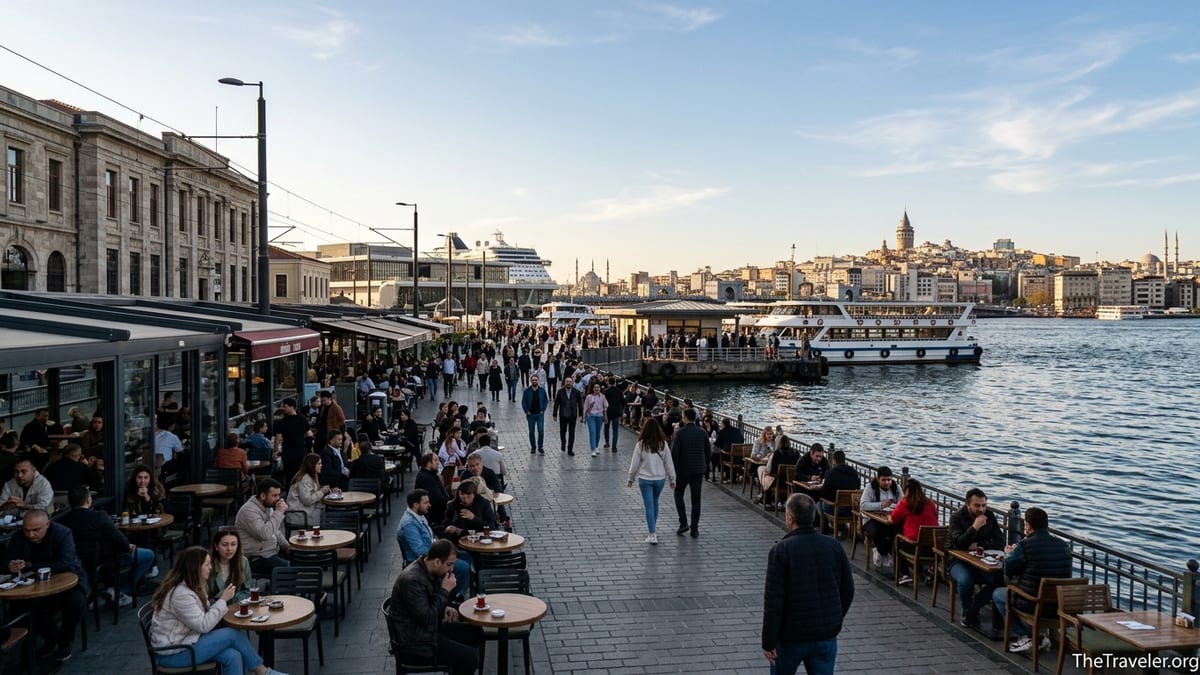
Karaköy is the historic port district on the northern side of the Golden Horn, directly opposite Eminönü and below the Galata Tower hill. Administratively it sits within the Beyoğlu district on the European side of Istanbul. Stand in front of the New Mosque in Eminönü, look across the water, and the low waterfront full of ferries and cafés you see on the far side of the Galata Bridge is Karaköy.
Historically this was the commercial heart of the late Ottoman Empire, filled with banks, shipping companies and warehouses. Many of those stone buildings still stand, now converted into boutique hotels, galleries and stylish restaurants alongside traditional hardware stores and pastry shops. That mix of old and new is a big part of Karaköy’s appeal: a morning coffee might be in a minimalist third‑wave café, while lunch could be in a decades‑old tradesmen’s “lokanta” serving home‑style stews.
For a first‑time visitor, the practical advantage of Karaköy is location. You can walk across the Galata Bridge to the Spice Bazaar in about 10 minutes, ride the historic Tünel funicular uphill to İstiklal Street in 2 minutes, or catch frequent ferries to Kadıköy and Üsküdar on the Asian side. The T1 tram runs along the waterfront, connecting Karaköy to Sultanahmet, Sirkeci and ultimately to the airport rail links.
Despite its small size, Karaköy feels like a crossroads. In the morning it fills with commuters and students passing through the ferry piers; later in the day the cobbled backstreets around Mumhane Caddesi and Kemankeş Karamustafa Paşa Caddesi come alive with café‑hoppers and gallery‑goers, while the waterfront promenade toward Galataport attracts locals out for a Bosphorus walk.
Galata Bridge and the Waterfront Experience
The Galata Bridge is Karaköy’s front doorstep and one of Istanbul’s most recognizable sights. It links Karaköy to Eminönü, carrying both car traffic and the T1 tram on its upper deck, while the lower deck is lined with fish restaurants, tea houses and informal grills. Walking across at sunset, with fishing lines arcing into the Golden Horn and the silhouettes of the Blue Mosque and Hagia Sophia in front of you, is one of the essential Istanbul experiences.
Under the Karaköy side of the bridge you will find a row of casual seafood spots serving grilled sea bass (levrek), sea bream (çupra) and fried anchovies (hamsi) with simple salads and bread. Prices are moderate rather than cheap; expect to pay something like the cost of a mid‑range sit‑down meal in a European city for a fish plate and drink. What you are really buying is the setting: you are almost level with the water, ferries rumble past, and the call to prayer echoes across the Golden Horn.
On top of the bridge, the scene is more local. Dozens of men and a few women line the railings at almost any hour, fishing for whatever bites. There are mobile tea sellers weaving between them, and at the Karaköy end of the bridge a small cluster of vendors sells simit (sesame bread rings) and roasted chestnuts in winter. First‑time visitors should feel comfortable walking here in daytime and early evening; common‑sense city awareness is enough.
Just east of the bridge sits the Karaköy ferry pier. Modernized in recent years, it now includes indoor waiting areas, ticket machines and a small café upstairs. From here city ferries connect to Kadıköy, Üsküdar and other piers along the Bosphorus and Golden Horn, often with departures every 10–20 minutes at busy times. Many visitors build a simple mini‑cruise into their day by riding the ferry from Karaköy to Kadıköy and back, grabbing a waterfront tea in Asia before returning.
Galataport: The New Face of the Old Port
Walk east from the main Karaköy square along the waterfront and you reach Galataport, the large mixed‑use development that has transformed the old cruise terminal area. The project stretches for roughly a kilometer along the Bosphorus and combines an underground cruise terminal with a car‑free promenade, shopping streets, art spaces and dining terraces above. It opened in stages in the early 2020s and is now the main docking point for large cruise ships visiting Istanbul.
For first‑time visitors, Galataport serves several purposes. If you arrive on a cruise, this is where you disembark; within a few minutes’ walk you can be sitting in a Karaköy café or riding the tram toward Sultanahmet. If you are staying elsewhere in the city, Galataport is worth a visit for its waterfront promenade alone. On a clear afternoon you can stroll past public art installations, sit on stepped seating facing the water and watch ferries and tankers move up and down the Bosphorus, with the Old City skyline across the way.
Galataport also concentrates some of Istanbul’s more polished dining and shopping in one place. There is a mix of international fashion brands and Turkish designers, plus a broad range of restaurants: from modern Turkish bistros serving meze with a twist to dessert‑focused cafés where you can try künefe or pistachio baklava in a more contemporary setting than the old‑school baklava halls. Prices here are generally higher than in the backstreets of Karaköy, but many travelers see it as a comfortable, easy‑navigated introduction to the city, especially on a first afternoon when jet‑lagged.
Finally, Galataport is now home to the Istanbul Modern museum in a new waterfront building designed by a leading international architect. Even if you are not a contemporary‑art fan, the museum’s café and terrace provide striking views over the Bosphorus. Combining a museum visit with a sunset drink here, then walking back along the promenade into the denser streets of Karaköy, makes a compact half‑day itinerary.
Cafés, Bakeries and Everyday Food
Karaköy has become one of Istanbul’s core café districts, with a density of coffee bars and breakfast spots that rivals any neighborhood in the city. Within a few blocks of the main tram stop you will find specialty coffee shops pulling single‑origin espresso, third‑wave roasters selling beans by the bag, and more traditional Turkish tea gardens. Places like Karabatak, once a pioneer of the area’s café culture, continue to be recommended by coffee‑focused travelers for their quality espresso and lively atmosphere.
Breakfast and brunch are big here. On a weekend morning, streets such as Kara Ali Kaptan Sokak and the lanes behind the tram line fill with tables serving menemen (scrambled eggs with tomato and pepper), simit sandwiches and elaborate spreads of cheeses, olives and jams. Many spots offer Western‑style brunch dishes as well, reflecting the mixed crowd of foreign visitors and younger Istanbul locals. Expect to pay something in the range of a mid‑priced brunch in a large European city for a full breakfast with coffee.
No Karaköy food roundup is complete without mentioning baklava. The legendary Karaköy Güllüoğlu shop, just inland from the waterfront, has been drawing both Istanbulites and visitors for decades. At busy times there can be a line out the door, but it generally moves quickly. Inside, trays of pistachio baklava, walnut baklava, şöbiyet and other syrupy pastries are cut and served to eat at the counter or to take away in boxes. Having a plate of still‑warm baklava with Turkish tea here is a classic first‑day indulgence.
Around the edges of the neighborhood you will also find simple tradesmen’s eateries and soup kitchens that cater mainly to local workers. These “esnaf lokantası” serve daily‑changing trays of stews, beans, pilaf and stuffed vegetables at relatively modest prices. They can be a good way to get a filling lunch without sitting in a full restaurant. Look for glass counters filled with metal trays of food and small groups of office workers eating quickly at lunchtime.
Restaurants, Hotels and Nightlife
For lunch and dinner, Karaköy offers a wide spectrum, from humble grill houses to ambitious modern kitchens. On the casual end, narrow streets leading uphill from the waterfront are lined with kebab shops, çorba (soup) places and small seafood counters frying fish to order. Tucked into side streets you will also see contemporary bistros such as Unter or Lokanta Maya, which serve seasonal Turkish ingredients with international techniques in brick‑walled dining rooms. Galata Bridge’s underside remains the most touristy cluster of seafood restaurants; better food value is often found a few blocks inland, but many visitors choose the bridge at least once for the atmosphere.
Karaköy’s hotel scene has kept pace with the neighborhood’s transformation. There are several mid‑range to high‑end boutique hotels housed in restored bank and office buildings near Bankalar Caddesi, with original marble staircases and high ceilings paired with contemporary design. Closer to Galataport you now find international‑standard waterfront hotels that appeal to cruise passengers and business travelers who prioritize comfort and brand familiarity. At the more affordable level, a handful of small guesthouses and design hostels occupy side streets, often in converted 19th‑century buildings with compact rooms but characterful common areas.
Nightlife in Karaköy itself is relatively low‑key compared to nearby Beyoğlu and Taksim. Within the neighborhood you will find wine bars, craft‑beer spots and cocktail bars tucked into side streets or on rooftop terraces, as well as cafés that morph into social bars in the evening. These tend to close around midnight or slightly later. For louder clubs and late‑night bars, most people head uphill toward Galata and İstiklal Street, then walk or take the Tünel funicular back down to Karaköy after a night out.
One thing first‑time visitors often notice is that Karaköy quiets down more than you might expect late at night. The area has relatively few residents compared to its daytime population of workers and visitors, so away from the main roads some streets can feel almost empty after midnight. This is not usually a safety concern in itself, but it is worth being aware of if you prefer to stay somewhere that feels busy 24 hours a day.
Ferries, Trams and Getting Around
From a transport perspective, Karaköy is one of the most convenient bases in Istanbul. The T1 tram runs right through the neighborhood along the waterfront. One direction takes you across the Galata Bridge to Eminönü, Sirkeci and Sultanahmet, home to the Blue Mosque, Hagia Sophia and Topkapı Palace; the other direction continues to Kabataş, where you can connect to the funicular up to Taksim Square and to Bosphorus ferries.
The Karaköy ferry pier is another key asset. Municipal ferries operated by the city run to Kadıköy and Üsküdar on the Asian side, as well as to Besiktaş and along the Golden Horn during certain hours. Crossing with a public ferry is inexpensive compared with private Bosphorus cruises and offers classic views of the skyline. You pay with the Istanbulkart, a rechargeable transport card used on trams, buses and metros as well. Buying and loading an Istanbulkart from the machines near the tram stops is one of the first errands you should do on arrival.
Just uphill from Karaköy is the lower station of the historic Tünel funicular, one of the oldest underground railways in the world. In about 90 seconds it carries you up to the end of İstiklal Street near Galata Tower. This is especially handy if you are staying in Karaköy but want to explore Beyoğlu’s shopping and dining or connect to the Şişhane metro station without climbing steep cobbled streets.
Taxis, ride‑hailing apps and private transfers are widely used by visitors, but traffic in and out of Karaköy can be slow at peak commuting hours and around Galataport on busy cruise days. For most first‑time visitors, combining tram, ferry and walking covers almost everything. As a rough rule, if your destination is visible across the water, see if a ferry gets you close; if it is up the hill, consider the Tünel or the Kabataş funicular rather than walking the entire slope.
Safety, Scams and Practical Tips
By big‑city standards, central Istanbul neighborhoods such as Karaköy are generally considered reasonably safe, especially in the daytime and early evening. The main streets around the tram line, ferry pier and Galataport are usually busy with commuters, families and tourists. Many solo travelers, including women, report walking these main routes at night without problems, provided they stick to well‑lit, populated areas and keep standard city awareness.
That said, there are a few practical points to keep in mind. Karaköy’s core has limited residential population, so some backstreets can feel deserted late at night, especially toward the shipyards and underpasses. If you are returning to your hotel after midnight, most people prefer to stick to main routes, use a reputable taxi or ride‑hailing option, or walk in a group. As in many tourist‑heavy parts of Istanbul, keep an eye on your belongings in crowded trams and around popular photo spots, and avoid leaving bags on the backs of café chairs near the street.
Taxi overcharging and “creative” restaurant bills are the main annoyances visitors encounter city‑wide. To avoid issues, use official yellow taxis with meters and make sure the driver turns the meter on when you depart. In restaurants, especially in the more touristy seafood places under the Galata Bridge, it is wise to confirm whether fish is priced per portion or per kilogram and to ask for at least a rough idea of the final price before you order whole fish or large seafood platters.
For payments, cards are widely accepted in most cafés, restaurants and shops in Karaköy and Galataport, though keeping some Turkish lira cash is useful for small purchases like simit, street corn or tips. Tap‑to‑pay cards and phones are increasingly common at chain cafés and transport kiosks. In very small family‑run spots or older lokantas, cash may still be preferred.
First‑Time Istanbul Tips from a Karaköy Base
Staying in or near Karaköy can simplify your first visit to Istanbul. You can reach the Old City’s main monuments in about 15 minutes by tram, yet you are not surrounded exclusively by souvenir shops when you leave your hotel at night. Instead, your “local” streets include hardware stores, art spaces, office workers rushing for ferries and teenagers hanging out in waterfront parks. This helps many visitors feel that they are in a living city rather than a museum district.
Time‑wise, many first‑timers find three full days in Istanbul a good starting point, with at least two nights based somewhere central like Karaköy or nearby Galata. One common pattern is to spend the first afternoon exploring Galataport and the Karaköy waterfront, the next day focused on Sultanahmet and Eminönü, and another day split between a Bosphorus ferry ride and exploring the Asian‑side neighborhoods of Kadıköy or Üsküdar. From Karaköy, each of these day plans involves straightforward tram or ferry rides.
Culturally, dress is generally relaxed in Karaköy. Jeans, T‑shirts, summer dresses and sneakers are standard for both locals and visitors. You will need more conservative clothing to enter mosques in the Old City (covered shoulders and knees, headscarves for women), but there is no special dress code for walking around Karaköy, Galata Bridge or Galataport. Comfortable walking shoes are essential; many streets are cobbled or uneven, and you will likely be on your feet far more than you expect.
Finally, build some unscheduled time into your stay. Some of the best Karaköy moments happen not in headline sights but in small discoveries: stumbling into a back‑alley gallery opening, chatting with the owner of a tiny tea shop while waiting out a sudden rain shower, or sipping Turkish coffee at a street‑side table while ferries slide past in the background. Using Karaköy as your base gives you a good chance of finding those everyday experiences while still being close to Istanbul’s big landmarks.
FAQ
Q1. Is Karaköy a good area to stay for first‑time visitors to Istanbul?
Yes. Karaköy is central, well connected by tram, ferry and funicular, and within walking distance of both the Old City across Galata Bridge and the nightlife of Beyoğlu.
Q2. How far is Karaköy from Sultanahmet and the main historic sights?
The T1 tram from Karaköy to Sultanahmet typically takes around 10–15 minutes. On foot, walking across Galata Bridge to the Spice Bazaar takes about 10 minutes, with another 10–15 minutes up to the main mosques.
Q3. Is Karaköy safe at night?
Main streets around the tram line, ferry piers and Galataport are generally busy and feel reasonably safe, though some backstreets can be quiet late at night. Stick to well‑lit routes, especially after midnight.
Q4. What is the easiest way to get from Karaköy to the Asian side?
The simplest option is the municipal ferry. Boats from Karaköy run regularly to Kadıköy and Üsküdar; you pay with an Istanbulkart and enjoy scenic views along the way.
Q5. Are there good cafés and bakeries in Karaköy?
Yes. Karaköy is one of Istanbul’s major café hubs, with numerous specialty coffee shops, brunch spots and famous pastry shops such as Karaköy Güllüoğlu for baklava.
Q6. Is Galataport worth visiting if I am not on a cruise?
Yes. Galataport offers a pleasant car‑free Bosphorus promenade, a concentration of restaurants and shops, and the waterfront Istanbul Modern museum, all easily reached on foot from central Karaköy.
Q7. Do I need cash in Karaköy or can I pay by card everywhere?
Most cafés, restaurants and hotels accept credit and debit cards, including contactless payments, but it is sensible to carry some Turkish lira for small street purchases and tips.
Q8. What kind of accommodation is available in Karaköy?
You will find boutique hotels in renovated historic buildings, newer waterfront hotels near Galataport, and a few budget‑friendly guesthouses and hostels on side streets.
Q9. How touristy is Karaköy compared with Sultanahmet?
Karaköy definitely attracts visitors, but it also serves as a working port and business area, so you share streets with locals commuting and working, not only tourists and souvenir stalls.
Q10. Can I walk from Karaköy to Galata Tower and İstiklal Street?
Yes. The walk uphill takes roughly 10–20 minutes depending on your pace, or you can ride the short Tünel funicular from Karaköy up to the top near İstiklal Street for a quick, easy connection.