


More news on this day
A bicyclist was killed on Friday after a collision with a Tri-Rail commuter train near the Lake Worth Beach station in Palm Beach County, according to early regional media reports and publicly available information.
Get the latest news straight to your inbox!
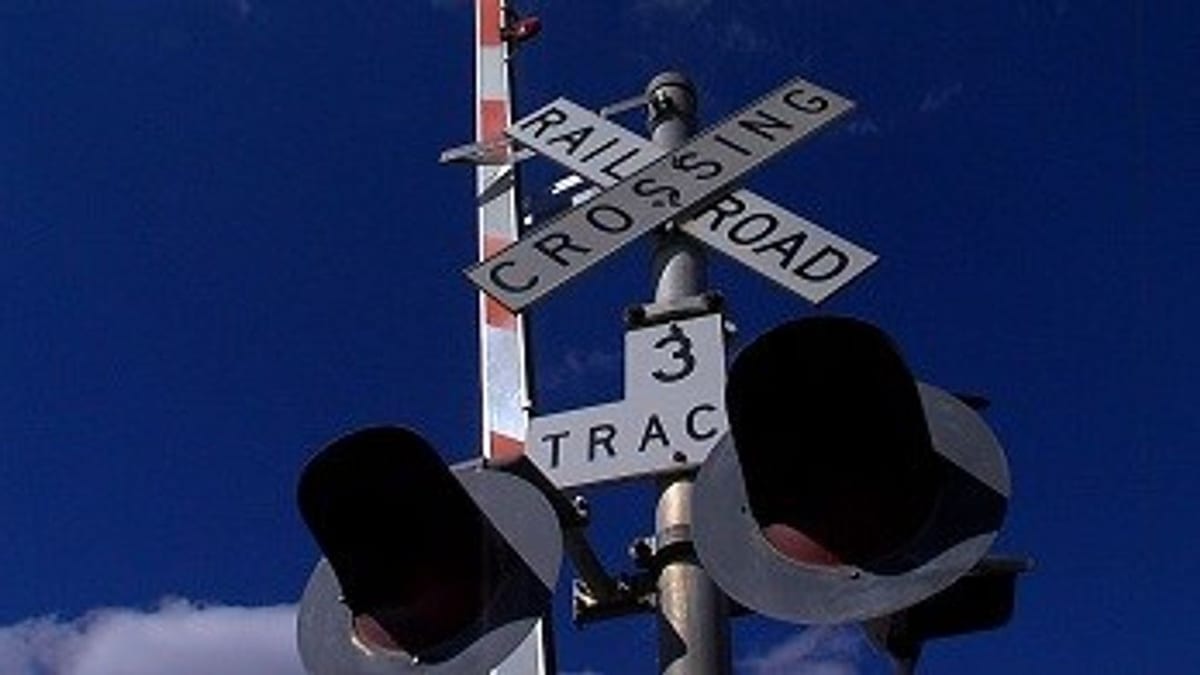
Fatal rail collision near major Lake Worth Beach transit hub
Initial coverage indicates that the crash occurred close to the Lake Worth Beach Tri-Rail station, a heavily used commuter hub just east of Interstate 95 that links local streets to the South Florida Rail Corridor. The area combines high train frequency with steady vehicle, pedestrian, and bicycle traffic, particularly during peak commuting periods.
Reports describe a bicyclist struck by a southbound Tri-Rail train while near a grade crossing in the vicinity of the station. Early information suggests the collision happened near the tracks that run parallel to Interstate 95, where road access, the rail line, and station facilities converge in a relatively compact space.
Emergency responders arrived after the impact, but the cyclist was pronounced dead. As of Friday afternoon, publicly available accounts did not identify the victim by name, and further details about age, hometown, or destination had not yet been released.
Train service in the immediate area experienced delays as the scene was secured and preliminary documentation took place. Local traffic around Lake Worth Road and adjacent approaches to the station was also affected as vehicles and cyclists were diverted away from the crossing.
Lake Worth Beach station and a history of rail safety concerns
The Lake Worth Beach station is one of the busier stops on the Tri-Rail network, serving daily commuters traveling between Palm Beach, Broward, and Miami-Dade counties. Public planning documents describe the station area as a multimodal node where buses, private vehicles, ride-hail services, cyclists, and pedestrians meet the regional rail system.
Tri-Rail and local governments have previously highlighted safety near tracks as a priority, particularly around Lake Worth Beach, where rail lines run close to dense neighborhoods and major roadways. Past transportation studies and safety reviews have noted that frequent train movements combined with complex intersections can heighten risks for people walking or riding bicycles near crossings.
Regional data show that South Florida has grappled with recurring incidents involving people and trains, including pedestrians and cyclists. While many crossings are equipped with gates, lights, bells, and pavement markings, safety advocates note that human decisions, distraction, and attempts to beat approaching trains continue to play a role in crashes.
In earlier years, the Lake Worth Beach rail corridor has been the subject of coordinated campaigns involving infrastructure upgrades, enforcement, and public outreach in an effort to reduce collisions. The new fatality is likely to refocus attention on how those measures are working and whether additional protections are warranted near the station.
Emerging details and ongoing investigative work
As of Friday, publicly accessible information about the Lake Worth Beach crash remained limited, with no full narrative of the moments leading up to the collision. It was not immediately clear whether the bicyclist was using a designated crossing, traveling along the tracks, or attempting to move through the area as the train approached.
Standard post-crash procedures typically include documenting signal operation, train speed, horn use, gate positions, and sight lines at the time of impact. Investigators also review video from train-mounted cameras and nearby surveillance systems, along with information from the train crew, motorists, and bystanders who may have witnessed events.
It often takes days or weeks for a detailed sequence to emerge, and official summaries can arrive later still, after technical reviews are complete. For now, early accounts simply confirm that a person on a bicycle lost their life in the collision and that train operations were temporarily disrupted while the tracks were cleared.
Additional information, including any potential contributing factors such as weather, roadway configuration, or individual behavior, has not yet been published. The identity of the bicyclist and any information about next of kin are also expected to appear in later public records or media updates.
Pattern of cyclist and train collisions in South Florida
The Lake Worth Beach fatality comes amid a broader pattern of serious collisions involving cyclists and trains in South Florida. Recent coverage has drawn attention to multiple crashes on nearby rail corridors, including those used by both commuter and intercity rail services.
Advocates point out that South Florida’s transportation network places cyclists in close proximity to rail lines, wide arterial roads, and complex intersections, particularly in older neighborhoods where the street grid predates current traffic volumes. As more residents and visitors rely on bikes for commuting and recreation, the interaction between bicyclists and rail infrastructure has become an increasingly prominent safety concern.
National safety analyses consistently warn that trains require long distances to stop and that a person on foot or on a bicycle is extremely vulnerable if caught inside the path of a moving train. Even at moderate speeds, the size and weight of a train make survivable outcomes rare once a collision occurs.
South Florida’s ongoing efforts to expand bike lanes, multiuse paths, and traffic-calming designs have been promoted as ways to separate bicycles from high-risk corridors. However, many everyday trips still require crossing tracks or riding near rail-adjacent roadways, reinforcing the importance of both infrastructure design and individual caution.
Safety messages for cyclists and rail users near Lake Worth Beach
The latest death near the Lake Worth Beach Tri-Rail station is expected to renew calls for caution around the region’s rail corridors. Public campaigns in South Florida have repeatedly emphasized that trains can approach more quietly and quickly than many people anticipate, and that modern trains can appear on either track with relatively little warning beyond signals and bells.
For people on bikes, transportation agencies and safety organizations commonly stress the need to cross tracks only at designated locations, obey all warning devices, and avoid weaving through lowered gates or attempting to beat an oncoming train. Riders are encouraged to allow ample time and space when approaching any crossing, especially where multiple tracks increase the potential for a second train.
Advocacy groups also highlight the role of local planning, including better lighting, clearer pavement markings, protected approaches for cyclists, and barriers that discourage risky shortcuts near stations. Lake Worth Beach has already seen a variety of roadway and bike-infrastructure projects, and the new fatality may add urgency to proposals aimed at further reducing conflicts between trains and vulnerable road users.
As more information is released about the circumstances of the Lake Worth Beach collision, transportation planners, rail operators, and community members are likely to examine what additional steps might help prevent similar tragedies for cyclists navigating the busy network around the Tri-Rail station.