


More news on this day
Glasgow holidaymakers heading abroad via Edinburgh Airport have faced long delays, diversions and missed connections after a bomb scare forced a large-scale evacuation and halted flights on Friday evening.
Get the latest news straight to your inbox!
Evacuation After Suspicious Item Triggers Security Alert
Publicly available information shows that Edinburgh Airport was cleared on Friday evening after reports of a potentially suspicious item in the terminal. Specialist teams were called to the scene and a precautionary evacuation was ordered while the object was assessed.
Reports indicate that the discovery was made shortly before 7 p.m., at a time when weekend leisure traffic from across central Scotland was building. Social media posts from passengers described being moved out of the terminal with little notice as emergency procedures began, with departures boards suddenly showing widespread disruption.
According to published coverage, an explosives team later declared the items safe and the incident is not being treated as suspicious. However, the initial decision to empty parts of the building and pause operations immediately rippled through Friday night schedules, particularly affecting travellers who had opted to use Edinburgh rather than Glasgow for summer departures.
By the time the all clear was given, a backlog of delayed departures, diverted arrivals and grounded aircraft had formed, setting up a difficult night for passengers and airline staff attempting to recover disrupted rotations.
Flights Diverted to Glasgow as Planes Kept in Holding Patterns
Flight tracking data and eyewitness accounts suggest that aircraft on approach to Edinburgh were instructed to break off their landings once the ground alert escalated. Several planes were seen entering holding patterns around the capital before being diverted to other airports, including Glasgow.
Posts shared by travellers indicate at least one flight from Birmingham bound for Edinburgh was redirected to Glasgow Airport because of the evacuation. Other aircraft circled in the vicinity of Edinburgh while air traffic controllers assessed whether it was safe and practical to continue accepting arrivals during the security response.
For holidaymakers from Glasgow who had chosen Edinburgh for their flights, the diversions added an unexpected complication. Those already in the air found themselves landing hundreds of kilometres from their intended destination, facing onward coach transfers, late night rail connections or unplanned overnight stays.
Travellers who had driven from Glasgow to catch departures at Edinburgh, meanwhile, watched as their flights were delayed, retimed or, in some cases, appeared to be at risk of cancellation while crews and aircraft ended up out of position.
Knock-on Chaos for Weekend Getaways
The timing of the bomb scare, at the outset of a busy summer weekend, amplified its impact on leisure travellers. Friday evenings typically see strong outbound demand for Mediterranean resorts and European city breaks from both Edinburgh and Glasgow, with many passengers from the west of Scotland opting for whichever airport offers the best fares or departure times.
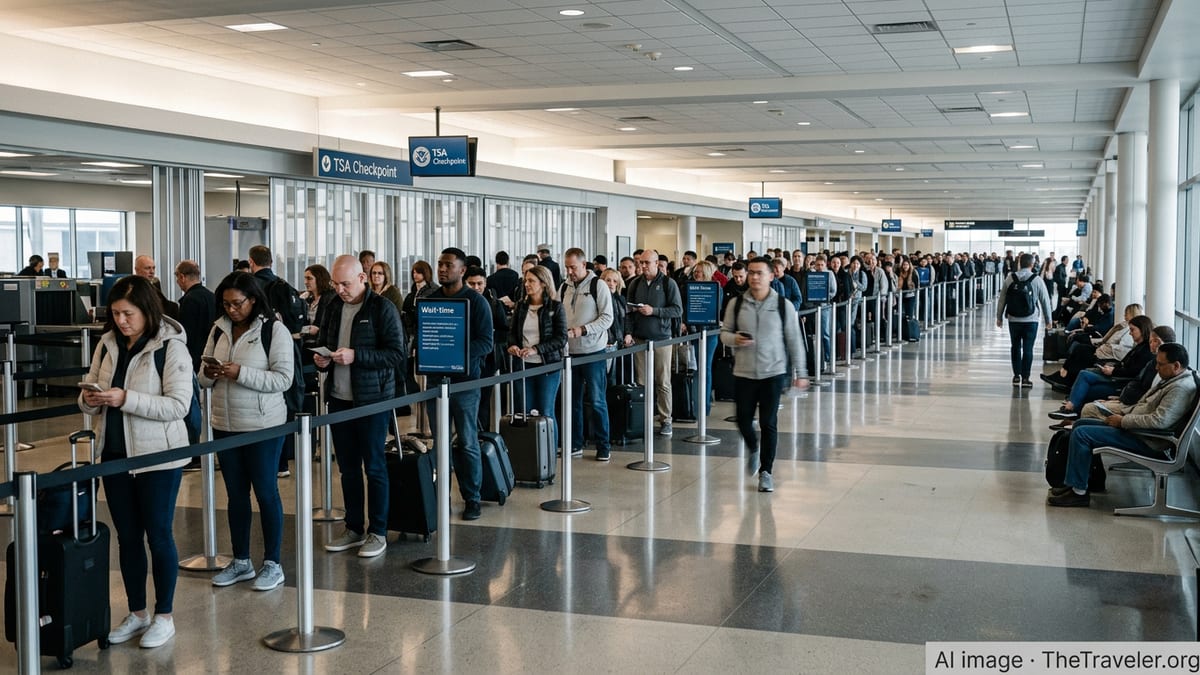
Reports from those at the airport described long queues forming outside the terminal as passengers waited to be allowed back in, with families, stag parties and package holiday groups all caught up in the disruption. Some said they received messages from airlines advising that flights were under review, while others were simply instructed to stand by for further updates.
Public transport users also faced uncertainty. With the terminal locked down for a period, travellers arriving by tram, bus or taxi from Glasgow and elsewhere in central Scotland were left unclear whether their flights would still depart. Those who had built in extra time for security and check in found that buffer rapidly evaporating as the security response stretched on.
As operations resumed, data from flight information services showed a pattern of extended departure times, late evening arrivals and aircraft operating significantly behind schedule, leaving many holidaymakers wondering whether their once straightforward weekend break would begin with an unscheduled night in Scotland.
Recent Strains on Scotland’s Busiest Airports
The security scare arrived against the backdrop of a testing period for Scotland’s main airports. Edinburgh, the country’s busiest hub, has recently drawn criticism from regular users over congestion, baggage delays and peak time queues, while Glasgow has experienced its own operational strains, including a fuel supply issue earlier in the month that triggered delays and diversions.
In official statistics, both airports handled millions of passengers last year, with Edinburgh leading the Scottish market and Glasgow serving as a key alternative for travellers in the west. Government transport data for 2024 highlights that almost one in five flights to or from Edinburgh experienced some form of delay, with Glasgow’s figure notably lower but still significant.
Online discussions among frequent flyers have increasingly suggested that passengers from Glasgow are weighing up which airport is more resilient when booking summer travel. The latest security incident is likely to feed into that debate, with some questioning whether the existing infrastructure at Edinburgh can comfortably handle both strong growth and occasional major disruptions.
Aviation analysts note that large scale evacuations are relatively rare, but when they do occur, they expose how tightly scheduled airline operations are at busy regional hubs. Recovering from several hours of halted activity typically requires aircraft and crew shuffling that can leave knock on effects stretching into the following day.
What Travellers Can Expect Over the Coming Days
With the suspicious items declared safe and the immediate security risk cleared, attention now turns to clearing the backlog. Based on previous disruption patterns at UK airports, passengers flying from Edinburgh and Glasgow over the rest of the weekend may still experience residual delays as airlines work to reposition aircraft and reset schedules.
Travel industry guidance generally recommends that passengers check their flight status frequently on official airline channels, arrive earlier than usual for departures when a hub is recovering from a major incident, and be prepared for gate changes or last minute retimings. Those connecting from domestic flights or surface transport may face tighter margins than normal between legs of their journey.
For Glasgow holidaymakers who had placed a bet on Edinburgh as a smoother or cheaper departure point, the bomb scare has served as a stark reminder that both of Scotland’s largest airports can be vulnerable to unforeseen events. While the incident has so far been described in public reporting as a precaution that ended without harm, its operational impact has been very real for thousands of passengers aiming to start their summer breaks.
As peak season builds, the episode is likely to prompt renewed scrutiny of how quickly major airports in Scotland and across the UK can communicate with passengers and recover flight programmes when security alerts and other emergencies bring operations to a sudden halt.