


More news on this day
Building materials group Boral is coordinating with police and rail regulators after a freight train carrying cement derailed near its New Berrima plant in the New South Wales Southern Highlands, with early reports indicating no injuries but ongoing disruption to local traffic.
Get the latest news straight to your inbox!
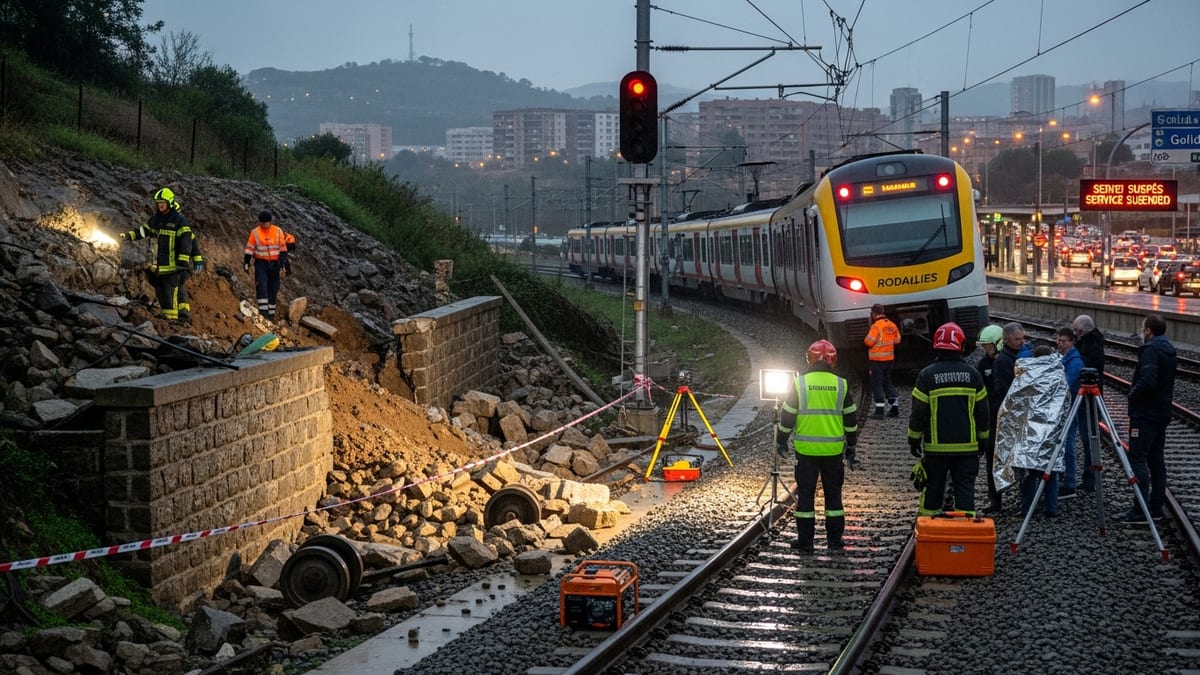
Freight service to major cement plant disrupted
Publicly available local coverage indicates the derailment occurred on Saturday 4 July near the rail crossing on Berrima Road, close to the Boral cement works at New Berrima. The train was attempting to access the industrial facility when it left the tracks, blocking the crossing and forcing road closures in the area.
The New Berrima cement works is described as a critical component of New South Wales construction supply, with reports noting it produces a substantial share of the state’s cement output. Any interruption to its freight rail connection is likely to be closely watched by builders and infrastructure contractors already managing tight materials timetables.
Traffic diversions were put in place around the site as authorities managed the scene and assessed the condition of both the derailed wagons and nearby infrastructure. Motorists were advised to use alternate routes while crews worked to stabilise the area and prepare for recovery operations.
Initial information released through regional news outlets points to the derailment occurring in daylight hours, limiting the impact on overnight freight flows but creating immediate congestion for local road users on a key link between New Berrima and Moss Vale.
Boral confirms cargo and safety details
Boral, identified as the operator of the cement works rather than the train itself, has acknowledged that the freight consist involved was carrying Boral cement bound for the New Berrima facility. The service is reported to have been operated by a specialist rail partner using that company’s locomotives and rolling stock.
According to published coverage, Boral has stressed that no injuries were recorded in connection with the derailment. Early indications also suggest that the incident did not trigger a hazardous materials response beyond standard safety precautions, easing concerns for nearby residents and businesses.
Public statements referenced in local reporting describe Boral expressing regret over disruption to the travelling public and signalling an intention to assist in resolving the situation. The company’s response aligns with typical major-industry protocols after rail incidents, where site operators often support cleanup and inspection even when a third-party rail operator controls the train.
Clarifying the roles of the plant owner and the rail services provider is likely to be important for any subsequent technical assessment, particularly in determining whether factors such as track condition, train handling, or wagon performance contributed to the derailment.
Authorities manage site as investigation begins
Reports from the scene indicate the derailment area is under the direction of New South Wales Police and relevant rail regulators while initial inquiries proceed. This arrangement is standard practice in significant rail incidents, ensuring traffic control, public safety and evidence preservation while technical specialists examine the tracks and equipment.
Specialist rail investigators typically document wheel marks, track geometry and the position of each wagon before heavy machinery begins the task of rerailing or removing damaged stock. That process can extend the duration of road closures around a crossing but is considered essential for determining underlying causes and preventing similar events.
Environmental and safety checks are also expected to form part of the early response. Even when a train is carrying non-volatile freight such as cement, agencies commonly review potential impacts on drainage, nearby waterways and local air quality, particularly if any product has spilled from wagons.
No formal findings on the cause of the derailment have yet been published through official channels. The timeline for a full technical report can vary, ranging from weeks for straightforward mechanical failures to many months where multiple infrastructure and operational factors are involved.
Local community and freight network repercussions
For residents of New Berrima and surrounding towns, the most immediate effect has been road disruption and heightened heavy-vehicle movements as equipment is brought in to clear the site. Community reactions shared through regional outlets have focused on delays for commuters and concern over safety at the busy industrial crossing.
Freight operators and construction firms across New South Wales are likely to follow developments closely, given the importance of the New Berrima cement works to state-wide building projects. While there is no indication at this stage of a prolonged production impact, any extended rail outage could require alternative haulage arrangements to keep cement deliveries on schedule.
In recent years, other rail incidents in Australia and overseas have prompted calls for closer attention to maintenance, train length and operating practices on freight routes serving industrial hubs. Analysts often point out that even non-fatal derailments can have outsized economic consequences when they affect critical supply chains such as cement, fuel or grain.
How swiftly rail services to the New Berrima plant can be restored will depend on the extent of track damage, the condition of signalling equipment and the complexity of rerailing work. Authorities typically seek to balance rapid reopening with the need to verify that infrastructure and operations meet safety requirements before traffic resumes.
Next steps for Boral and rail partners
Based on information currently available, Boral is preparing to support investigation and recovery efforts alongside its rail services contractor and government agencies. The company is expected to play a role in coordinating plant logistics while track access is restricted and in communicating with customers about any near-term delivery adjustments.
Industry observers note that post-incident reviews often lead to changes in operating plans, such as revised speed limits approaching industrial sidings, additional track inspections, or modified train configurations when hauling heavy bulk commodities. Lessons from the New Berrima derailment may ultimately feed into broader rail safety and asset-management discussions across the freight sector.
For now, the focus remains on safely clearing the affected crossing, restoring local traffic flows and returning rail freight movements to normal. Further updates are anticipated from regulators and transport operators as technical assessments progress and a clearer picture of what led the train to leave the tracks begins to emerge.