


More news on this day
American Airlines is moving to refresh seating across its domestic narrowbody fleet, expanding premium options and updating cabins in a bid to keep pace with rival U.S. carriers and evolving passenger expectations.
Get the latest news straight to your inbox!
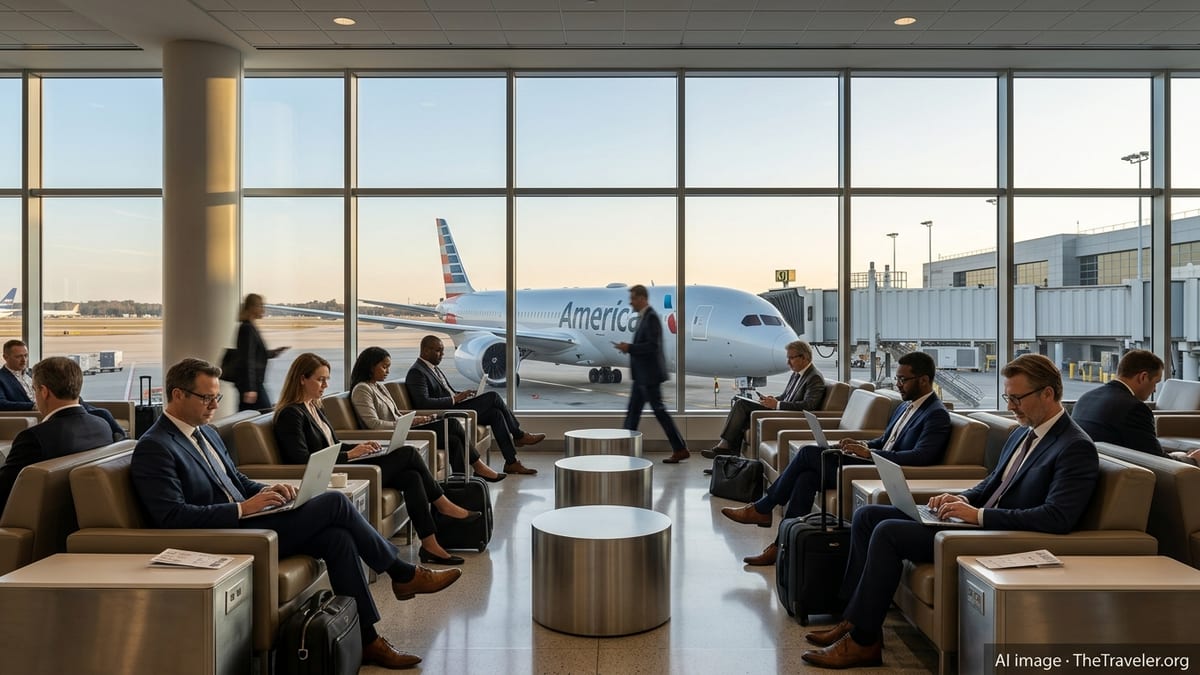
Modernized cabins across Boeing and Airbus workhorses
Publicly available fleet information shows that American is concentrating much of its investment on single-aisle Boeing 737 and Airbus A320-family aircraft, which form the backbone of its domestic network. These jets have already undergone significant interior work in recent years as part of the carrier’s effort to standardize layouts, add more seats and simplify maintenance.
Recent communications from the airline and industry analyses indicate that the next phase shifts the emphasis from densification to comfort features. Updated seats, revised trim and finish, and expanded access to power outlets are being introduced as cabins are cycled through scheduled maintenance. The upgrades are intended to bring older narrowbody aircraft closer in feel to new deliveries entering the fleet.
While seat pitch and width are not increasing uniformly across cabins, the refresh aims to deliver a more consistent product. Narrowbody interiors that previously varied considerably by aircraft age and heritage are gradually being aligned so that passengers encounter similar seats and cabin features regardless of route.
More premium seating and refined domestic first class
Travel industry reporting and fleet documents suggest that American is prioritizing premium seating on its narrowbody aircraft, reflecting strong demand from high-yield travelers. The airline has been adding or reconfiguring domestic first class and extra-legroom Main Cabin sections on select Boeing 737 and Airbus A320-family jets, in some cases increasing the number of forward-cabin seats or Main Cabin Extra rows.
On newer narrowbody types, domestic first class already uses seats closely related to those found in premium economy on American’s long-haul fleet. The continued retrofit work is expected to reduce the gap between aircraft, so that first class passengers see more consistent cushioning, adjustable headrests and personal storage arrangements from one jet to another.
Industry coverage also points to targeted tweaks to previously controversial layouts. Earlier densification programs drew criticism for tight legroom and limited storage. The latest adjustments on certain narrowbodies focus on improving practical details such as under-seat space, small cocktail tables and easier access to power, while retaining the higher seat counts introduced in earlier projects.
Main Cabin upgrades: power, connectivity and entertainment
The upgrade program is not limited to the front of the aircraft. American’s most recent product material describes a broader onboard refresh that includes new or improved power outlets, Bluetooth connectivity and higher-resolution seatback entertainment screens on many mainline aircraft. As narrowbodies rotate through the shop, more of these features are becoming standard, particularly on longer domestic routes.
For economy passengers, the most visible changes are the addition of in-seat power at most rows and expanded device support through both USB and traditional outlets. Combined with faster satellite Wi-Fi, the refreshed cabins are designed to support passengers who rely on phones, tablets and laptops throughout the flight.
Seat designs in Main Cabin and extra-legroom sections continue to use relatively slim profiles to preserve overall capacity, but updated upholstery and materials are intended to soften the look and feel. The result is a product that remains dense by historical standards yet is positioned as more technologically equipped and visually modern.
Regional jets align with mainline comfort
Separate announcements over the past year describe a parallel program on dual-class regional jets that feed American’s hubs. These aircraft, operated by partner carriers but branded as American Eagle, are being refitted with refreshed seats, in-seat power and other touches that more closely match the mainline narrowbody experience.
The regional upgrades include attention to both premium and Main Cabin seating. First class on many Embraer and Bombardier regional jets is being refreshed with new coverings and power, while economy sections gain updated seats and overhead bins. The goal, according to published coverage, is to narrow the perceived gap between smaller regional aircraft and larger jets on comparable routes.
Bringing regional interiors in line with mainline narrowbodies is strategically important for American because many customers connect between the two on a single itinerary. A more consistent seat and cabin experience aims to reduce the jarring contrast that could previously occur when moving between different aircraft types on the same trip.
Competitive pressure and passenger expectations
American’s move to refine seating across its narrowbody fleet comes as U.S. competitors invest heavily in cabin upgrades, particularly on single-aisle aircraft used for both domestic and shorter international routes. Other major carriers have emphasized in-seat power, personal screens and expanded premium sections, setting expectations that now extend across much of the market.
Analysts note that American is attempting to balance the commercial benefits of higher-density cabins with the need to keep frequent flyers satisfied. While the latest narrowbody layouts still aim to maximize revenue per flight, incremental improvements to seats and cabin features are positioned to address some of the complaints that followed earlier rounds of retrofits.
For travelers, the changes mean that future flights on American’s narrowbody jets are increasingly likely to offer similar seats, power at most rows and a clearer set of choices between Main Cabin, extra-legroom seating and a refreshed domestic first class. How passengers ultimately judge the balance between comfort and capacity will become clearer as more of the upgraded aircraft enter daily service.