


More news on this day
Europe’s rollout of new biometric border controls is triggering scenes of frustration at several airports, with long queues leaving dozens of passengers stranded as some short-haul flights depart with most seats empty.
Get the latest news straight to your inbox!
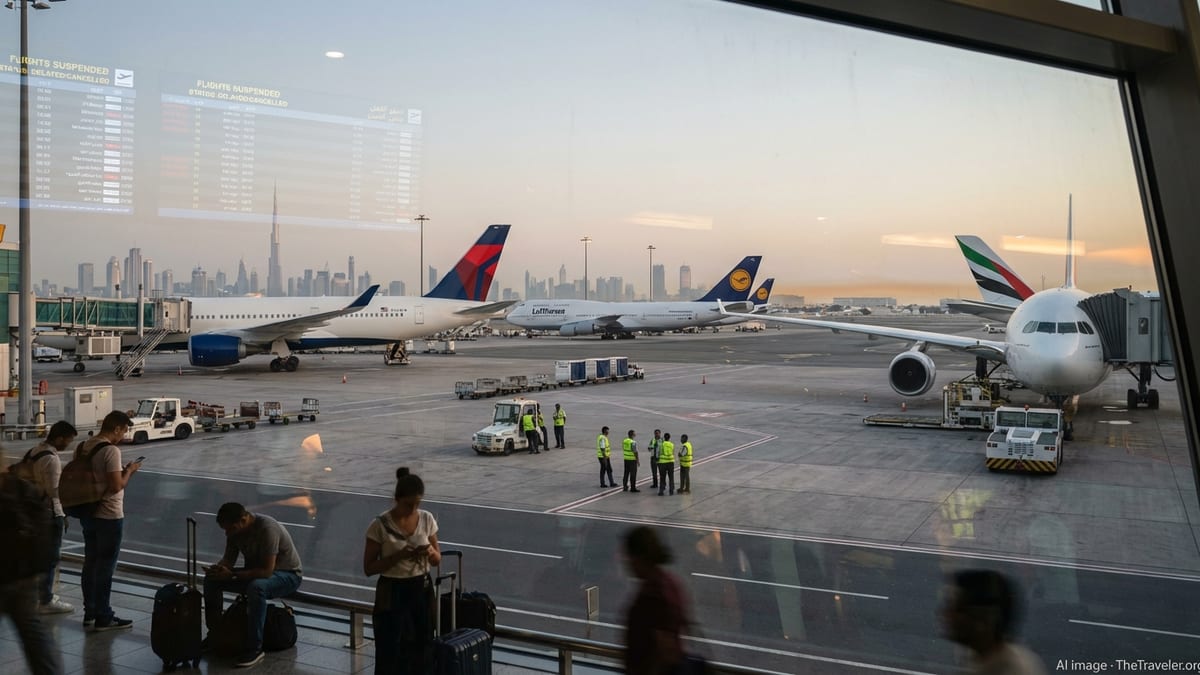
Biometric Rollout Turns Routine Departures into High-Risk Journeys
Across Europe, the full activation of the European Union’s Entry/Exit System in April has sharply increased processing times at external Schengen borders. Non-EU travelers must now have their passports scanned, faces photographed and fingerprints taken the first time they cross an external frontier, a process that was designed to improve security and streamline future trips but is currently slowing queues to a crawl.
Publicly available information from airport and airline groups indicates that, at peak times, registration can take several minutes per person, compared with seconds for traditional document checks. At busy hubs, these added minutes have translated into waiting times of two to three hours or more at passport control, pushing many passengers perilously close to their departure times.
Industry data and passenger accounts suggest that the new checks are being introduced against a backdrop of chronic staffing shortages at border posts. When kiosks or biometric terminals fail, processing often reverts to manual inspection, further compounding delays. Aviation associations have been warning that, without more flexibility and staffing, routine weekend departures could turn into high-risk journeys where even early-arriving travelers struggle to make their flights.
Travel rights organizations report that the impact is being felt most acutely on outbound services to non-EU destinations and flights to the United Kingdom, where travelers must pass through full exit checks before reaching their gates. With the summer peak season approaching, concerns are growing that current bottlenecks may be a preview of wider disruption to come.
Case Study: Milan Flight Leaves with Dozens of Empty Seats
The most visible illustration of the new border strain emerged at Milan Linate Airport in mid-April, when an easyJet service to Manchester reportedly departed with barely a third of its booked passengers on board. According to multiple published accounts, more than one hundred travelers were still stuck in gridlocked border queues when boarding closed, even though many had arrived at the airport several hours before departure.
Reports indicate that the aircraft, operating under strict slot and crew duty-time limits, waited close to its operational threshold before pushing back with around 34 passengers, leaving well over 100 ticketed travelers behind. Those stranded then scrambled to find hotel rooms and replacement flights during a busy school holiday period, with some accounts describing forced stays of up to four days and unexpected costs running into thousands of euros.
The Milan incident has quickly become a touchstone in the broader debate over where responsibility lies when government-run border systems delay passengers to the point of missing a flight. Airline statements referenced in media coverage have emphasized that carriers are not in direct control of border formalities, while affected travelers argue that they had complied with check-in rules and were caught in circumstances far beyond their control.
Consumer advocates note that, because the disruption stems from state-managed border control rather than airline operations, standard cash compensation under European passenger rights rules is unlikely to apply. Nonetheless, guidance circulating among passenger-rights groups stresses that airlines may still be expected to provide basic care for stranded travelers, including assistance with meals, accommodation and rebooking where feasible.
Systemic Strain Across Multiple European Airports
The Milan episode is not an isolated case. Airport operators and airline groups across the continent have issued statements describing significant pressure on border checkpoints since the biometric system became fully operational. Some airports report that even with only a portion of travelers being registered, queues have already been stretching to two hours, prompting warnings that waits could reach four or five hours at peak holiday periods.
Travel advisories compiled by passenger-rights services highlight issues at several major hubs, including manual fallback procedures at Brussels Airport during a technical glitch and lengthy queues reported at Spanish and Italian gateways. On certain days, travelers transiting major Schengen entry points have described missing onward connections despite scheduling what had previously been considered generous layovers.
Airports and airlines are jointly urging European institutions and national governments to allow greater flexibility in how the Entry/Exit System is applied when lines become unmanageable. Proposals referenced in recent industry statements include allowing border agencies to suspend biometric registration temporarily during severe congestion, and prioritizing boarding-time critical passengers to prevent aircraft from leaving almost empty while large numbers remain trapped in queues.
Operational data released by airport performance networks suggests that punctuality is already under pressure from weather and air traffic control bottlenecks. The addition of prolonged border checks has increased the risk that minor schedule fluctuations can cascade into missed flights and stranded passengers, particularly on tight rotation short-haul services where aircraft and crews operate multiple sectors per day.
Unclear Liability Leaves Passengers Caught in the Middle
The legal and financial consequences of the new delays are emerging as another flashpoint. Under long-standing European regulations on air passenger rights, carriers are required to pay compensation when cancellations or long delays are caused by factors under their control. However, when passengers miss flights because they cannot clear border control in time, published guidance generally classifies such incidents as outside airline responsibility.
Travel-law specialists quoted in media and consumer advisories point out that this distinction leaves a gap between traveler expectations and statutory protections. Many passengers assume that any missed flight will trigger compensation or at least automatic rebooking, whereas in practice they may be treated as no-shows if they are not physically at the gate when boarding closes, regardless of the reason.
Some advocacy groups are encouraging travelers to document every stage of their journey, including photos of queue lengths and time-stamped boarding passes, in case carriers or insurers are willing to review claims on a discretionary basis. They also stress that, even without formal compensation, airlines may still have obligations to offer care and assistance once travelers are stranded at the airport with no immediate onward options.
Insurers, for their part, often exclude delays linked to border-control processing from standard policies, treating them as a public-authority risk rather than a transport disruption. This leaves many travelers bearing the upfront cost of extended hotel stays, new tickets and incidental expenses, with only limited prospects of recouping losses later.
Practical Advice for Travelers Facing Border Bottlenecks
In response to the recent incidents, airports, airlines and independent travel organizations are revising their guidance for passengers heading to or through Europe. Where a three-hour pre-departure arrival was once considered adequate for long-haul and complex itineraries, several advisories now recommend four to five hours at busier hubs, especially for non-EU citizens departing or entering the Schengen area for the first time under the biometric regime.
Experts featured in travel-industry coverage suggest that passengers build extra buffers into any itinerary involving a border crossing, particularly if they are connecting to the final flight of the day or traveling during school holidays and peak summer weekends. Longer layovers, earlier flight choices and flexibility around dates are being framed as important risk-management tools rather than mere conveniences.
Travelers are also being urged to check airport and airline notices in the days before departure, keep digital copies of all bookings and receipts, and maintain realistic expectations about what carriers can offer when delays are rooted in border-control systems. While many recent cases have involved low-cost short-haul flights, analysts note that similar dynamics could affect full-service carriers and long-haul routes if bottlenecks persist.
With the Entry/Exit System now fully active and further adjustments likely, the coming months are expected to be a critical test of Europe’s ability to balance security, efficiency and passenger rights. For now, the sight of aircraft leaving with rows of empty seats while would-be travelers wait helplessly in border queues has become a stark symbol of the growing pains in the continent’s new era of digital border management.