


More news on this day
Boston Logan International Airport is projected to be one of the ten U.S. airports with the highest share of Labor Day flight delays this year, as heavy demand, weather risks and airline scheduling converge to create a challenging holiday weekend for travelers.
Get the latest news straight to your inbox!
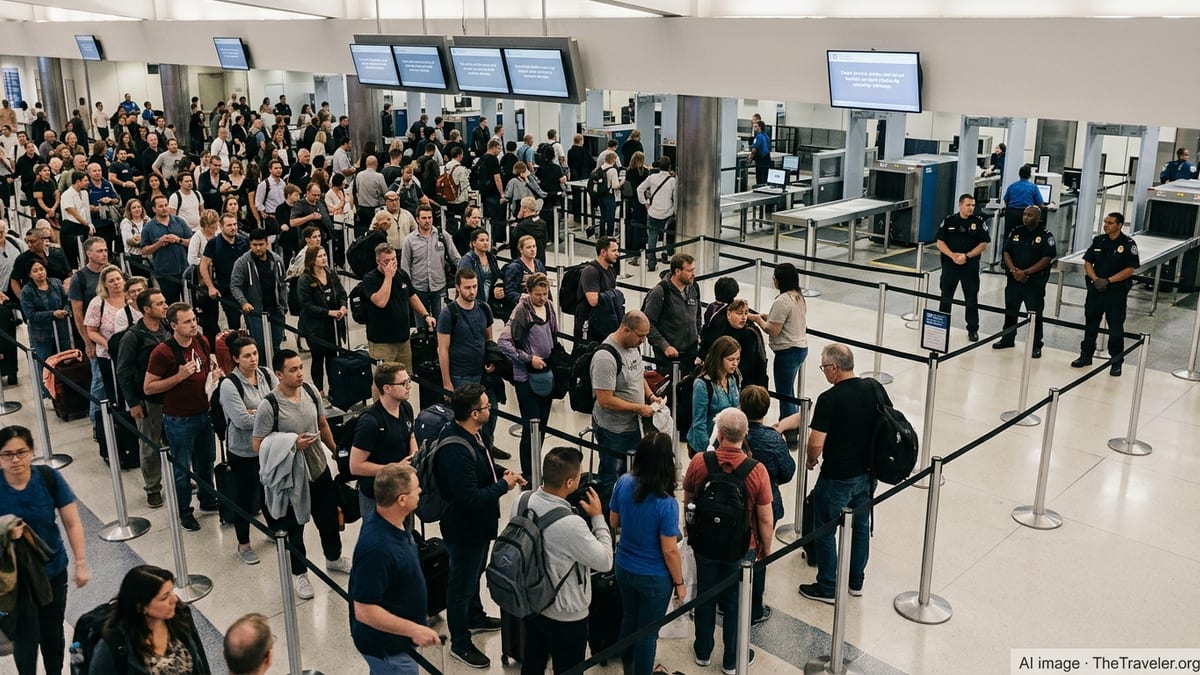
Data show Logan among most delay-prone Labor Day hubs
Publicly available flight performance data and recent disruption reports indicate that Boston Logan has moved into the upper tier of large U.S. airports for delays heading into the 2026 Labor Day travel period. Industry analyses of recent summers point to Boston joining major hubs such as Newark, Chicago O’Hare and New York-area airports among the country’s most delay-prone facilities during peak holiday stretches.
Historic disruption rankings compiled by AirHelp and other analytics firms show Boston Logan posting one of the higher proportions of delayed or canceled flights among major U.S. airports in 2025, even if it did not lead in outright cancellations. Those patterns align with on-the-ground reports this summer of frequent schedule disruptions at Logan tied to storms, equipment issues and broader airline operational challenges.
While Boston Logan does not handle the same passenger volumes as mega-hubs in Atlanta or Dallas, federal data place it firmly inside the top 20 busiest U.S. airports by total traffic, meaning even a moderate percentage of delayed flights translates into thousands of affected travelers over a long holiday weekend.
Travel forecasting platforms and fare trackers that monitor historical Labor Day performance are advising passengers to treat Boston as one of the airports where extra buffer time and flexible plans are especially important this year.
Summer of disruptions sets tone for holiday travel
Boston-area flyers have already faced a turbulent summer, with multiple severe-weather events and infrastructure problems pushing Logan’s operation to its limits. Published coverage in July documented hundreds of delays and dozens of cancellations in single days as thunderstorms and heavy rain swept across New England, temporarily overwhelming arrival and departure flows.
In early July, a fueling-system problem at Logan triggered an evening ground stop that turned parts of the airfield into what one air traffic communication described as a “parking lot” of aircraft waiting for gates and fuel. Reports indicate that the incident led to widespread cancellations and rolling knock-on delays that lasted into the following day, a reminder of how sensitive airport operations are to single points of failure.
Travelers have also reported repeated schedule changes on key Logan-based carriers through August, even on days with relatively benign local weather. These disruptions often stem from late-arriving aircraft from other congested hubs, showing how Boston is affected not only by conditions over New England but by systemic strains in the broader U.S. network.
That backdrop of frequent operational stress raises the likelihood that any weather or airspace constraints over Labor Day will translate quickly into visible queues at gates and departure boards filled with rolling delay times at Logan.
Weather and airspace constraints add to congestion risk
New England’s volatile late-summer weather is another factor placing Boston Logan among airports most vulnerable to Labor Day delays. Federal Aviation Administration advisories in recent days have already cited low ceilings, thunderstorms and other conditions leading to arrival traffic management programs for Logan, requiring airlines to space out flights more than usual when storms or low visibility reduce capacity.
Because many Boston arrivals and departures use congested Northeast air corridors that also serve New York, Newark and Philadelphia, delays elsewhere in the region can ripple into Logan quickly. When thunderstorms settle over multiple East Coast hubs at once, crews, aircraft and slots become tightly constrained, and relatively small disruptions can cascade into multi-hour waits.
Logan’s seaside location can further complicate operations when strong winds or low clouds require specific runway configurations that limit the number of aircraft that can land or depart in a given hour. During holiday peaks, when schedules are already dense, any such constraint can push the airport into delay territory faster than on a typical weekday.
Forecast models used by travel analysts incorporate these historical weather and airspace patterns, contributing to Boston’s placement near the top of projected delay rankings for the Labor Day period.
High demand pushes Boston into top holiday destinations
Strong demand is another driver of expected delays. AAA booking data for 2026 list Boston among the top three domestic destinations for Labor Day travelers, alongside Seattle and Orlando, highlighting the city’s popularity for late-summer getaways and family visits. That surge in inbound and outbound traffic means busier terminals, heavier security lines and fuller flight schedules at Logan across the long weekend.
Across the country, large airports such as Denver, Dallas Fort Worth and Los Angeles are reporting near-record or record Labor Day passenger projections, reflecting a broader national trend toward higher leisure travel volumes and more packed flights. Boston is part of that trend, with airlines adding frequencies and upgauging aircraft on key routes serving Logan to capture demand.
Higher load factors leave carriers with less slack to rebook passengers when delays occur. On peak days, even a handful of cancellations or extended ground holds can overwhelm available seats on later flights, turning what might earlier in the summer have been a minor inconvenience into an overnight stay for some travelers.
For Boston, the combination of elevated demand, dense schedules and the airport’s existing capacity constraints help explain why projection models place Logan among the U.S. airports most likely to see significant Labor Day disruptions.
What Labor Day flyers through Logan can expect
Travel forecasts suggest that the heaviest pressure on Boston Logan’s operation will come from the afternoon and evening banks on the Thursday and Friday leading into Labor Day, and again on Labor Day Monday as travelers head home. National analyses of past Labor Day weekends show that the Friday before the holiday is routinely among the busiest air travel days of the year, a pattern expected to repeat in 2026.
Passengers transiting Logan during these peak windows are likely to encounter longer waits at security checkpoints, crowded gate areas and elevated odds of departure or arrival delays compared with non-holiday periods. Even flights scheduled in the early morning, typically the most reliable window, may be affected if aircraft arrive late from other parts of the network.
Travel experts broadly recommend that Labor Day flyers build in additional time before departure, monitor their flight status closely via airline apps and consider booking nonstop routes when possible to reduce exposure to delays at multiple hubs. For Boston-based travelers with flexible schedules, early morning departures on less congested days of the weekend may offer the best chance of an on-time trip.
Given Boston Logan’s position among the ten U.S. airports most exposed to Labor Day delays, travelers are being urged by consumer advocates and travel platforms to approach the holiday weekend with realistic expectations and contingency plans, whether that means travel insurance, backup itineraries or simply extra patience at the terminal.
AAA Labor Day 2026 travel outlook