


More news on this day
A chaotic brawl in the customs line at PortMiami following a Carnival Conquest cruise from the Bahamas has resulted in 16 guests being placed on Carnival Cruise Line’s internal Do Not Sail list, according to multiple reports and widely shared passenger videos.
Get the latest news straight to your inbox!
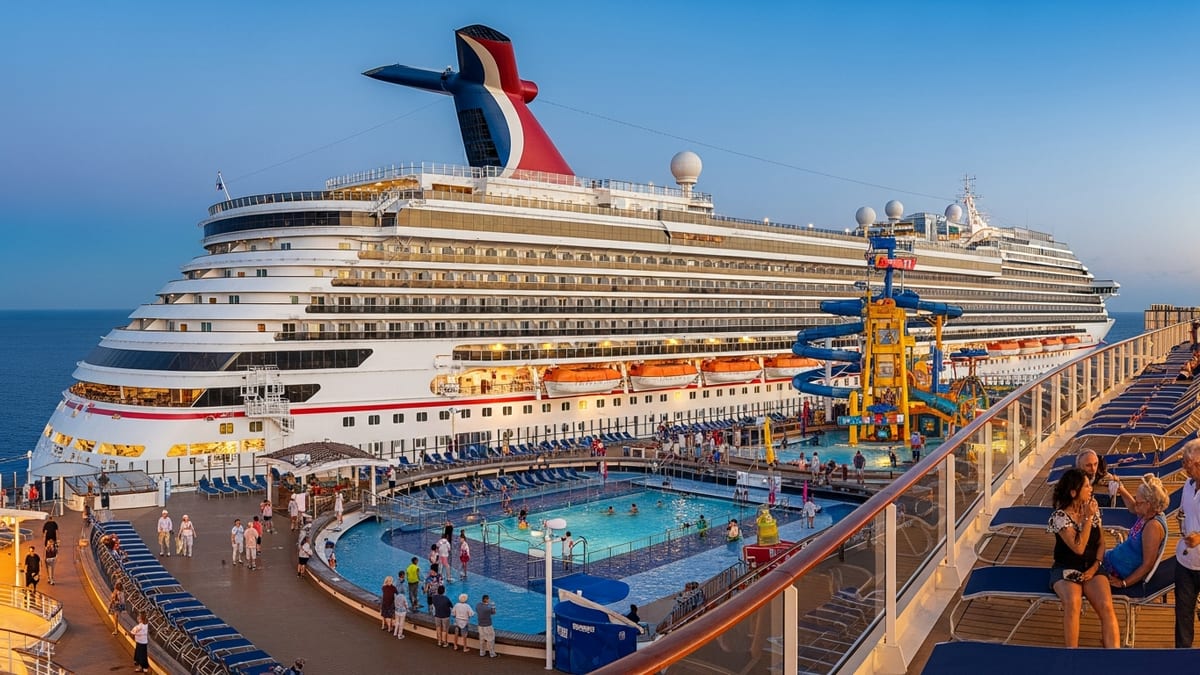
Fight Erupts After Carnival Conquest Docks in Miami
Publicly available footage shared on social media shows a group of passengers arguing and then rushing toward one another inside a PortMiami cruise terminal on Monday morning, shortly after Carnival Conquest returned from a short Bahamas itinerary. The confrontation appears to begin when one woman ducks under a stanchion in the customs line and throws punches at another woman standing several places away.
Within seconds, several people join the fray, with individuals shoving, grappling and swinging as other travelers attempt to back away. The incident unfolds in the controlled area where returning cruise guests queue for federal inspection, turning a normally slow-moving disembarkation line into a scene of confusion and shouting.
The videos, which were quickly reposted across platforms and discussion forums, indicate that the clash involved multiple family or friend groups rather than a single pair of passengers. Bystanders can be seen trying to separate participants while others record the altercation on their phones.
Reports indicate port security and law-enforcement personnel responded on site, and the fight was eventually broken up. There have been no widely reported serious injuries linked to the incident, but the footage has sparked renewed debate about crowd management and passenger conduct in busy cruise terminals.
Carnival Confirms Bans for 16 Passengers
According to coverage summarized in local and national outlets, Carnival Cruise Line reviewed the incident and determined that 16 guests would be barred from sailing with the brand in the future. The individuals have reportedly been added to Carnival’s internal Do Not Sail list following the post-cruise investigation.
Publicly available information about Carnival’s policies states that the company reserves the right to deny boarding or disembark guests whose behavior is considered disruptive or unsafe, and that such actions can include permanent bans. The line’s customer-facing safety guidance notes that disruptive conduct affecting the comfort, enjoyment, safety or well-being of others can lead to removal from the vessel at the guest’s expense and future ineligibility to sail.
While specific names have not been released in connection with the PortMiami brawl, social media posts from passengers who said they were on Carnival Conquest describe individuals being escorted aside for follow-up after leaving the ship. The decision to impose a Do Not Sail designation on 16 people suggests that Carnival focused on those deemed to be primary participants rather than on the broader crowd seen in the background of the videos.
There has been no indication from publicly available reports that the bans extend beyond Carnival’s own brands or that any wider industry database was used. Previous commentary from cruise observers and legal analysts has generally indicated that such lists are maintained individually by each cruise company.
Do Not Sail Lists and Cruise Conduct Rules Under Scrutiny
The PortMiami incident has drawn attention to how cruise lines manage guest behavior once ships return to port. Carnival’s ticket contract and pre-cruise information emphasize that the company can disembark guests or refuse future bookings based on conduct violations, even if altercations occur in terminals rather than on board.
According to publicly available policy documents, cruise guests are informed that they may be held financially liable for fines, penalties or other expenses arising from their actions. Guidance provided to travelers highlights that behavior judged to endanger or significantly disturb others can lead to immediate consequences, including being left at a port of call or being barred from future voyages.
Do Not Sail lists, sometimes referred to in passenger forums as “banned” lists, are typically internal databases used by cruise lines to identify individuals who are not permitted to book new cruises. Discussions in online communities suggest that these designations can apply for a set period or indefinitely, depending on the severity of the incident, and that some travelers only discover their status when a booking cannot be completed or boarding is refused.
The PortMiami brawl adds to a series of high-profile episodes in recent years in which fights on or around cruise ships have resulted in groups of guests being excluded from future sailings. Travel advisers note that, while such incidents remain rare compared with the overall volume of cruise passengers, viral videos of conflicts can quickly shape public perceptions of a brand.
PortMiami, Customs Lines and Rising Passenger Volumes
PortMiami is one of the world’s busiest cruise hubs, handling millions of passengers annually across multiple terminals. On peak weekends, several large ships may arrive and depart within hours of each other, funneling thousands of travelers through embarkation and disembarkation processes that include security screening and customs inspections.
Passengers describing their recent experiences at the port frequently point to long, slow-moving lines after ships return from the Bahamas and Caribbean, especially on short three and four-night sailings that are popular with first-time cruisers and groups. The environment, with travelers eager to catch flights or ground transport, can be tense even under normal circumstances.
In recent months, cruise-focused message boards and social channels have hosted recurring discussions about congestion around PortMiami’s access roads and terminal approaches, particularly on days when multiple mega-ships are in port. Some travelers report receiving pre-cruise notifications warning of traffic and advising them to allow additional time to reach their assigned terminal arrival window.
The latest brawl, occurring in an already tightly controlled customs area, raises questions among travel industry observers about how much terminal design, staffing levels and passenger communication can influence behavior when large crowds are funneled through narrow queuing spaces.
Implications for Cruise Travelers and Industry Reputation
For travelers, the PortMiami fight reinforces that cruise lines are prepared to take significant action when onboard or terminal behavior crosses certain lines. Vacationers involved in physical confrontations, even if they believe themselves to be acting in self-defense or protecting companions, can still face long-term consequences such as being removed from a ship, losing the value of their trip and being refused service in the future.
Travel professionals suggest that groups sailing together, especially on short itineraries that attract celebratory gatherings and multi-generational parties, should take particular care in crowded terminal environments where misunderstandings can escalate quickly. Many advisers recommend designating a calm point person in each group, avoiding verbal disputes in lines and seeking assistance from staff or security if tensions rise.
The cruise sector continues to work to rebuild and expand its customer base, and operators are sensitive to how viral images of brawls affect perceptions of safety and atmosphere on board. Incidents like the PortMiami altercation can overshadow otherwise routine sailings and fuel online narratives that some ships or itineraries attract more disruptive behavior than others.
While most voyages begin and end without major conflict, the decision to place 16 Carnival guests on a Do Not Sail list after a single disembarkation-line fight highlights how swiftly consequences can follow when tempers flare in crowded cruise terminals. For lines operating at or near capacity, maintaining order during those final, often stressful hours of a trip is likely to remain a priority focus.