


More news on this day
British travellers are being urged to take extra precautions when heading overseas, as updated UK guidance highlights a combination of security tensions, extreme weather and health risks affecting popular destinations worldwide.
Get the latest news straight to your inbox!
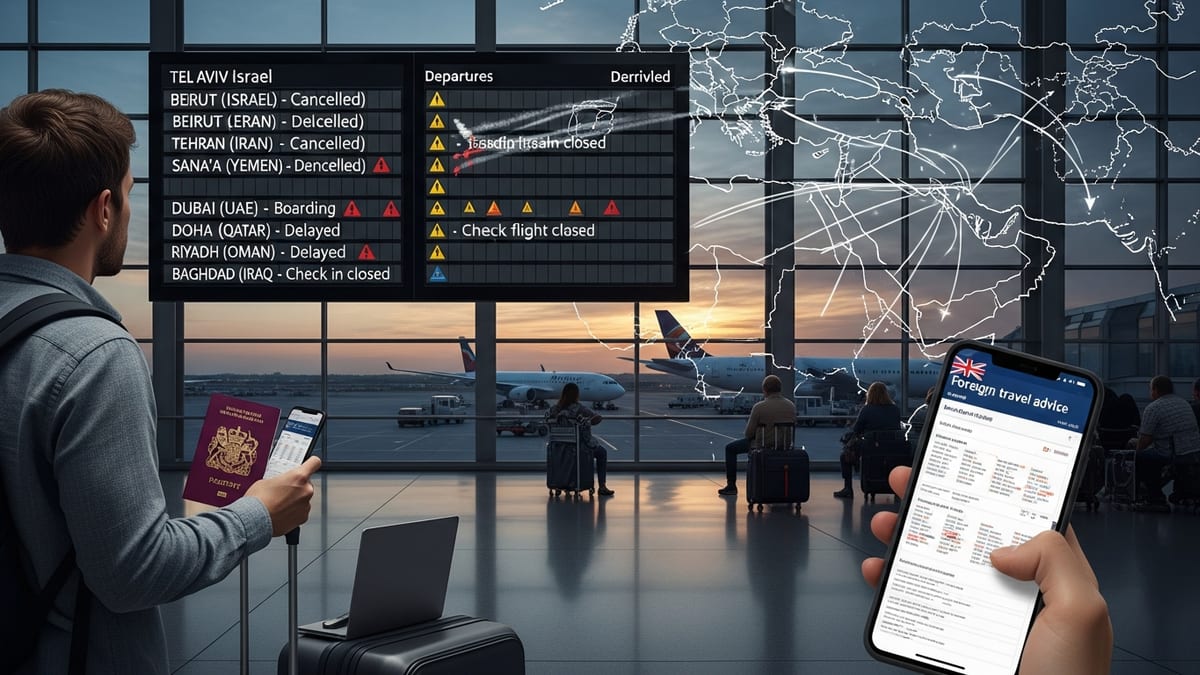
Heightened global risks shape UK travel advice
Publicly available UK guidance indicates that the Foreign, Commonwealth & Development Office (FCDO) is continuing to update its foreign travel advice in response to a complex global risk environment, including terrorism, civil unrest and natural disasters. The central travel advice hub stresses that conditions can change quickly and that British nationals should check country pages regularly before and during trips abroad.
Background documents explaining how UK travel advice is produced note that official warnings are only issued against travel where the risk to British nationals is considered unacceptably high, for example because of armed conflict, coups, extensive unrest, disease outbreaks or major natural hazards. These explanations underline that advice can apply to a whole country or just specific regions, and that warnings are removed as soon as the situation allows.
Guidance on crises overseas further emphasises that those travelling or living abroad in locations with a higher probability of terrorism, unrest or natural disasters should take what are described as “sensible precautions.” This includes understanding local conditions and having practical plans for what to do if a serious incident occurs while they are away.
Specialist terrorism risk advice for travellers also highlights that attacks may occur anywhere in the world with little or no warning, and that British nationals can be affected even when local authorities are the primary target. Travellers are advised to factor this into decisions about itineraries, accommodation and movements on the ground.
Climate-driven wildfires and extreme weather disrupt holidays
Alongside security concerns, climate-related risks are increasingly shaping official messaging about overseas trips. A recent joint statement from the foreign ministers of the UK and France on wildfires and climate change described this summer’s European fires as evidence of escalating environmental threats, with both governments committing to closer cooperation on anticipating and responding to climate-related hazards.
Travel checklists and preparedness campaigns linked from UK government sites advise holidaymakers to monitor local news and official channels for wildfire warnings, heat alerts and other severe weather advisories at their destination. Travellers are encouraged to understand evacuation routes, follow local instructions during emergencies and be prepared for rapid changes to travel plans if fires or storms threaten transport infrastructure.
Authorities also highlight that extreme heat, smoke and poor air quality can pose particular risks for children, older people and those with pre-existing health conditions. British travellers are prompted to consider whether planned activities are appropriate in very high temperatures, and to ensure they have adequate insurance and medical information in case they require treatment overseas.
Recent summers in southern Europe, North Africa and parts of North America have seen recurring disruption from wildfires and heatwaves, resulting in flight cancellations, resort evacuations and local states of emergency. UK guidance frames these developments as a reason for travellers to be more cautious, flexible and well prepared before leaving home.
Protests, unrest and terrorism keep some regions under close review
Updates to individual country pages on the UK’s foreign travel advice service show that political tensions and protest movements remain a significant factor in current risk assessments. For example, an August 2026 update to the Democratic Republic of the Congo travel advice added information on planned demonstrations in the capital Kinshasa, and reiterated warnings about areas where only essential travel is recommended.
Separate international reporting on reactions to protests in Iran during 2025 and 2026 notes that the UK moved to advise against all travel to the country, warning that it would not be able to provide face-to-face consular support or evacuate British nationals in the event of a major deterioration in security. Such measures illustrate how rapidly advice can tighten when unrest escalates.
General terrorism guidance for British nationals abroad points out that some European countries have raised their national threat levels in the context of wider geopolitical tensions, particularly in relation to the conflict involving Israel and Palestine. Travellers are urged to keep a close watch on local alerts, avoid large crowds where possible and remain aware of their surroundings in busy public spaces, transport hubs and tourist districts.
The UK’s own materials on reducing terrorism risk abroad recommend that holidaymakers familiarise themselves with local emergency instructions, consider contingency plans for disrupted transport, and register their contact details with trusted family or friends in case communications are affected during an incident.
Government checklists urge better preparation for emergencies
A recently updated foreign travel checklist on the UK government website advises British nationals to take a more systematic approach to pre-departure planning. Key recommendations include checking the latest country-specific travel advice for safety, security, health and entry requirements, and ensuring that travel insurance is valid for the entire trip and for the activities planned.
The checklist warns that travelling against explicit FCDO advice can leave holidaymakers without insurance cover, a point echoed in more detailed explanations of how travel warnings are issued. Travellers are therefore urged to confirm that destinations, stopovers and any side trips are all consistent with current guidance and with their policy terms.
Preparedness campaigns aimed at overseas emergencies also encourage British nationals to make a note of local emergency numbers at their destination, carry copies of important documents, and understand how to seek consular assistance if they are affected by a terrorist attack, natural disaster or serious unrest. These materials underline that consular help has limits and that individuals remain responsible for their own safety decisions.
Supporting documents on assistance for British nationals abroad stress that people travelling overseas may be more exposed to crime, fraud and unfamiliar legal systems than at home. The advice encourages visitors to research local laws, avoid high-risk behaviour, and adopt basic security measures such as safeguarding passports and valuables.
Practical steps for British travellers in the current climate
In light of the evolving global picture, publicly available UK guidance highlights several practical measures for British nationals planning trips abroad. Travellers are advised to sign up for email alerts on the FCDO country page for their destination so they receive rapid updates if the security or health situation changes while they are away.
Guidance materials also point travellers towards dedicated safety campaigns that explain how to respond if caught up in a terrorist incident, and recommend reviewing local airport and airline information where regional tensions may affect flight schedules or airspace availability. Recent international alerts have underlined the possibility of sudden cancellations and diversions in some regions.
British nationals are further encouraged to share itineraries and contact details with trusted family or friends, consider how they would access funds in an emergency, and store digital copies of passports and insurance documents in secure online locations. Official resources note that taking these steps in advance can significantly ease difficulties if documents are lost or if travellers need to leave a country at short notice.
Overall, the current guidance frames foreign holidays and business trips as still feasible for most destinations, but stresses that the combination of geopolitical tension, climate-related hazards and health risks requires a higher level of awareness and preparation than in previous years. Travellers are urged to inform themselves carefully, stay flexible and prioritise safety when making decisions on the ground.
Sources: UK Foreign travel advice, GOV.UK; About FCDO travel advice, GOV.UK; Foreign travel checklist, GOV.UK; Reduce your risk from terrorism while abroad, GOV.UK; Joint UK France statement on wildfires and climate change