


More news on this day
British holidaymakers are being urged to scrutinise travel deals more carefully this summer as banks, consumer groups and law enforcement data point to a sharp rise in scams offering “fake” holidays and non-existent getaways.
Get the latest news straight to your inbox!
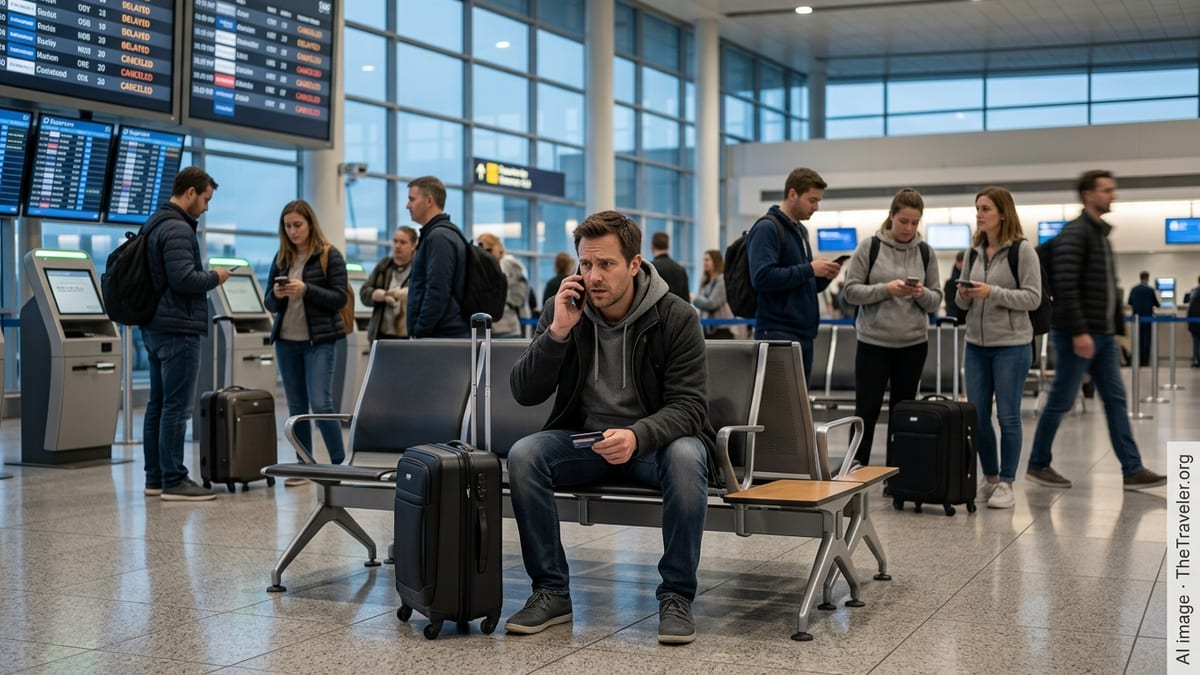
Millions lost as holiday fraud rises across the UK
Recent figures from the UK’s national fraud and cybercrime reporting centre indicate that travel-related fraud continues to cost consumers millions of pounds each year, with average losses per victim in the low thousands. Analysts say the trend reflects a wider surge in purchase scams, where criminals exploit demand for flights, package holidays and last-minute breaks.
Consumer guidance based on Action Fraud data shows losses from holiday scams totalling more than £11 million in a recent 12–month period, with typical victims losing around £1,800 after paying for trips that never materialise. Publicly available information from police forces and trading standards suggests many cases are never formally reported, meaning the real financial impact is likely to be significantly higher.
Industry-watchers say high demand for travel, combined with persistent pressure on household budgets, has created ideal conditions for fraudsters. With families hunting for bargains, criminals are increasingly promoting cut‑price packages, luxury villas and long‑haul deals that look legitimate but evaporate once money has been transferred.
Banks have also reported a broader surge in so‑called “remote purchase” fraud, in which customers are tricked into sharing one‑time passcodes or authorising payments for online purchases, including flights and accommodation, that turn out to be fake. Security teams warn that these tactics are now a routine part of the playbook used to sell bogus holidays.
How fake holidays and bogus bookings are being sold
Reports from consumer organisations describe a range of methods used to market “fake” holidays to British travellers. Common patterns include professionally designed websites mimicking established travel brands, social media adverts for exclusive deals, and listings on accommodation platforms that reuse stolen images and fabricated reviews.
Police and council fraud teams have highlighted incidents where travellers only discover the deception when they arrive at airports to find no ticket has been issued, or at resorts where staff have never heard of their booking. In other cases, customers learn shortly before departure that their trip has been “cancelled” without any refund, or that their supposed agent has abruptly ceased trading.
Financial institutions have separately warned about scams involving fake flight tickets, caravans and holiday lets sold through classified sites or messaging apps. In these cases, buyers are often pushed to make an instant bank transfer rather than pay by card, cutting off key protections if the booking turns out to be fraudulent.
Another fast‑growing tactic involves impersonation of airlines, travel agents and comparison sites on social media. Consumer investigations have uncovered bogus customer‑service accounts that respond quickly to travellers searching for help, then direct them to spoofed payment pages or ask for card details and security codes under the guise of confirming a booking.
Targeting trusted logos and official‑looking brands
Travel industry bodies report a continuing problem with the unauthorised use of protection scheme logos and membership marks. Fraudulent operators have been found displaying badges that resemble well‑known trade associations or regulators in order to reassure potential customers that their money is safe.
Guidance from travel associations emphasises that scammers may falsely claim to be members of schemes such as ABTA or to hold financial protection when they do not. Some have been linked to social media‑only brands that appear and disappear quickly, or to firms that trade under multiple similar names to confuse consumers and avoid scrutiny.
Warnings from police forces also highlight websites that copy wording, imagery and customer testimonials from legitimate businesses, making it difficult for travellers to tell the difference at first glance. In certain cases, fake sites have been set up using web addresses that differ from genuine ones by only a few letters, banking on customers not noticing the discrepancy before entering their details.
Regulators and insolvency teams have in the past taken action against travel companies that cancelled holidays at short notice and failed to refund customers, leaving hundreds of thousands of pounds in unpaid claims. While not every collapse involves deliberate fraud, consumer advocates say the same basic precautions help in both scenarios: independently verifying a firm’s status and understanding what protection is in place if it fails.
Who is most at risk from ‘too good to be true’ deals
Analysis from banks and consumer groups suggests that younger adults who are highly active online and comfortable booking via smartphones are among those most exposed to “fake holiday” offers, especially when deals surface on social media or in private messaging groups. However, older travellers searching for budget breaks or family villas are also frequent targets.
Fraud teams note that peak periods for scams often coincide with school holidays, major sporting events and popular festival seasons, when demand for travel surges and accommodation in certain destinations becomes scarce. Criminals exploit this urgency, warning that availability is limited or that prices will jump within hours unless a deposit is paid.
People booking last‑minute trips appear particularly vulnerable. Research by consumer magazines indicates that those searching at short notice are more likely to be drawn in by unusually cheap flights or hard‑to‑find hotel rooms, and less likely to perform background checks on a company before paying.
Experts also point to psychological tactics used by scammers, including fake countdown timers, fabricated “live” booking notifications and messages claiming that other customers are currently viewing the same deal. These techniques are designed to push travellers into quick decisions, reducing the chance they will spot spelling mistakes, missing contact details or other classic red flags.
Key checks to help British travellers avoid fake holidays
Consumer protection bodies are urging holidaymakers to strengthen their own basic checks before handing over money. Recommended steps include searching independently for a company’s registered address, landline contact number and trading history, and checking official membership lists for schemes such as ATOL and ABTA rather than relying on logos displayed on a website or in a social media bio.
Guidance from banks advises travellers to be cautious of any seller insisting on payment by bank transfer or cryptocurrency, particularly where a card option is refused or withdrawn at the last minute. Paying by credit or debit card generally offers stronger rights to claim money back if services are not delivered, especially when bookings are made with UK‑based firms.
Security campaigns also encourage people to type web addresses directly into their browser rather than clicking on links in emails, adverts or messages, and to treat major spelling errors, awkward language and non‑UK contact details as warning signs. Where possible, travellers are urged to cross‑check prices against well‑known booking platforms; if an offer is dramatically cheaper than comparable deals, it may warrant additional scrutiny.
If a booking does turn out to be fraudulent, public advice typically recommends contacting the bank immediately to attempt to halt or recover payments, keeping all records of correspondence, and reporting the details to Action Fraud, or to Police Scotland for those in Scotland. While recovery is not guaranteed, such reports help build intelligence on criminal networks and support efforts to shut down repeat offenders targeting British travellers.