


More news on this day
Indian Railways has introduced a Jabalpur to Hazrat Nizamuddin special train to accommodate the sharp rise in passenger traffic around Raksha Bandhan, adding temporary capacity on one of the busiest corridors linking Madhya Pradesh to the National Capital Region.
Get the latest news straight to your inbox!
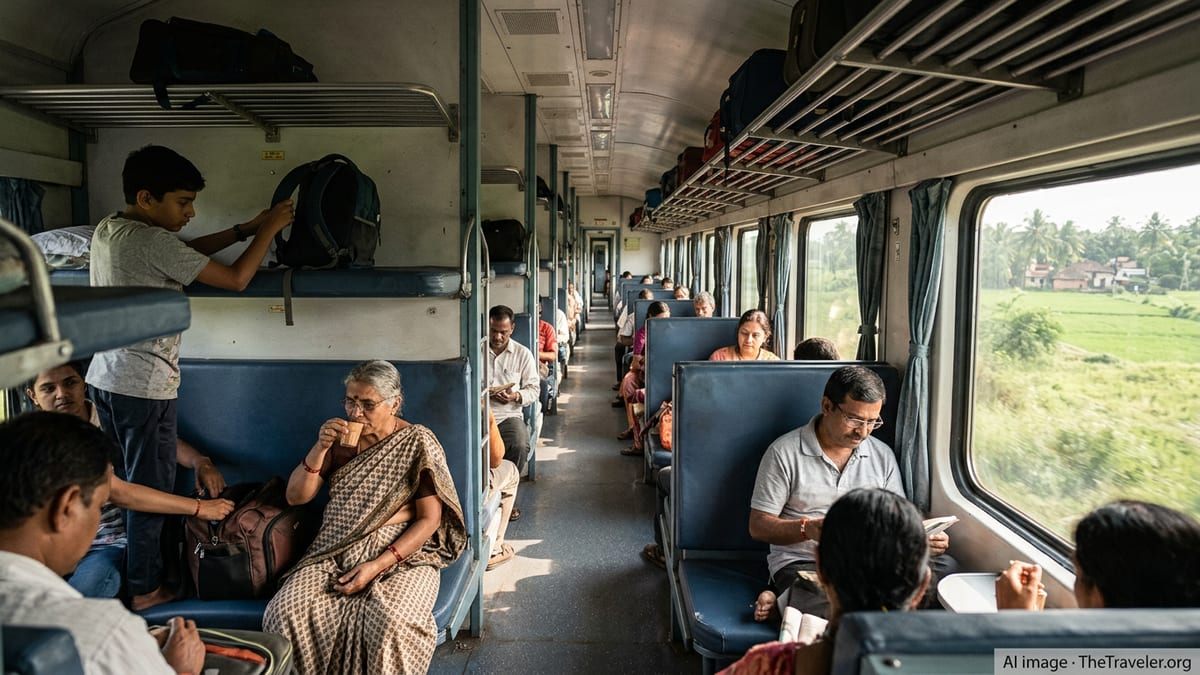
Festive Season Spurs Extra Capacity Between Jabalpur and Delhi
Publicly available railway bulletins and timetable compilations indicate that a new Jabalpur to Hazrat Nizamuddin special fare superfast service has been cleared to run around the Raksha Bandhan holiday, responding to a predictable spike in demand as families travel to celebrate the festival. The service supplements the regular Jabalpur–Hazrat Nizamuddin Express and other superfast connections already operating on the 900‑kilometre route.
Data from train schedule portals shows that the special train is planned as a pair of services between Jabalpur Junction and Hazrat Nizamuddin, operating as a limited‑stop superfast connection. The pattern follows earlier seasonal operations, in which similar special fare trains were introduced for Janmashtami, Holi and other major festivals linking the same endpoints.
According to timetables compiled from West Central Railway notifications, the Jabalpur–Hazrat Nizamuddin special covers roughly 904 kilometres with around seven to eight intermediate halts, cutting across key junctions in Madhya Pradesh and Uttar Pradesh before entering the Delhi region. The special is being marketed with dynamic pricing typical of festival specials, aimed at balancing high demand with additional capacity on short notice.
The move comes as the existing Jabalpur–Hazrat Nizamuddin Express and allied services, which run daily or multiple times a week, typically report wait‑listed status well in advance of major festivals. The added special train is designed to absorb some of this overflow and offer more direct options for passengers who otherwise would face longer detours or overnight bus journeys.
Timings, Route and Service Pattern for the Raksha Bandhan Special
Based on information collated from public timetable aggregators and special‑fare circulars, the latest Jabalpur–Hazrat Nizamuddin festival special is configured as an overnight service from Jabalpur with an afternoon arrival in Delhi. The corresponding return working from Hazrat Nizamuddin generally departs in the mid‑afternoon and reaches Jabalpur the following morning, providing a mirror pattern suited to weekend and short‑break travel.
Operational details for similar specials issued earlier in 2026 for Holi indicate that the Jabalpur–originating leg has used late‑evening departures, allowing passengers from across Mahakoshal and surrounding districts to connect into Jabalpur Junction before boarding. The schedule then threads the train through important intermediate stations while avoiding peak daytime congestion near the capital.
The chosen timing is also designed to complement, rather than duplicate, the existing Jabalpur–Hazrat Nizamuddin Express, which typically leaves Jabalpur in the late afternoon and reaches Delhi late the next morning. By staggering departures and arrivals, the special train broadens the time window for passengers seeking same‑day or next‑day family reunions around Raksha Bandhan.
Reports from rail‑tracking platforms suggest that the special will follow a limited‑halts pattern similar to previous festival services, focusing on key junctions that generate large volumes of end‑to‑end and connecting passengers. This approach enables a competitive overall journey time while still serving major catchment areas along the route.
High Demand Around Raksha Bandhan Drives New Services
Travel analysts who monitor reservation trends on major Indian Railways sectors note that Raksha Bandhan consistently triggers sharp short‑term spikes in bookings, particularly on routes linking residential cities with traditional family bases. The Jabalpur to Delhi corridor is one such segment, with strong flows of students, government employees and private‑sector workers returning home for the festival.
Data visible on ticketing and enquiry platforms in previous seasons shows that reserved classes between Jabalpur and Hazrat Nizamuddin routinely move to high wait‑list numbers several weeks before Raksha Bandhan. Even after the introduction of special trains for Janmashtami and other festivals in 2025, additional capacity on this stretch has often been fully subscribed well before departure dates.
This year, the Raksha Bandhan period aligns with a broader pickup in domestic travel, encouraged by expanding employment in the National Capital Region and growing rail connectivity across central India. The new Jabalpur–Nizamuddin special is expected to help disperse passenger loads, offering an alternative to standing‑room‑only general coaches and reducing the need for last‑minute bus or flight options.
Publicly available commentary on travel forums suggests that passengers view such festival specials as a critical pressure valve on constrained routes. While ticket prices can be higher than regular superfast services, many travellers are prepared to pay a premium for confirmed berths and more predictable arrival times during key family occasions.
Complementing Existing Jabalpur–Delhi Rail Links
The Jabalpur–Hazrat Nizamuddin sector is already served by multiple long‑distance trains, including the daily Shridham Superfast Express and other specials that operate on selected days. Timetable databases list journey times ranging from under 15 hours on some superfast services to over 19 hours on slower specials, depending on halts and pathing.
In this context, the Raksha Bandhan special is being positioned as an incremental addition rather than a replacement for existing trains. It is expected to share rakes and operating resources with other seasonal specials that run for Janmashtami, Holi and Diwali, reflecting a modular deployment model that rail planners increasingly use to respond to peaks in passenger demand.
According to compiled route maps, the Jabalpur–Nizamuddin corridor passes through a mix of industrial towns, agricultural districts and emerging logistics hubs. By adding festival‑time services, Indian Railways is effectively reinforcing a corridor that carries not only holiday travellers but also year‑round migrant workers and small‑business traffic between central India and the capital.
Observers of Indian Railways operations note that the growing reliance on targeted special trains allows the network to remain flexible in the face of uneven demand. For smaller cities like Jabalpur, these additional services can provide a temporary upgrade in connectivity just when it is most needed for social and cultural reasons.
What Passengers Should Watch as Bookings Open
With advance reservations for festival specials opening progressively, travellers on the Jabalpur–Nizamuddin route are being advised by ticketing platforms and informational portals to monitor berth availability closely. Past experience with Janmashtami and Holi specials indicates that popular travel dates can fill within hours of the booking window opening.
Passengers are also encouraged by consumer advisories to pay attention to coach composition and class availability on the special train, as rake allocations for festival services can differ from regular superfast trains. Some specials have historically operated with a greater proportion of sleeper and AC three‑tier coaches to match demand profiles observed on the route.
Journey‑planning tools that aggregate live status and delay trends for specific trains can help passengers choose between the new special and existing services. For those with flexible schedules, travelling a day earlier or later than the Raksha Bandhan peak can significantly improve the chances of securing a confirmed seat at a more favourable fare.
As the Raksha Bandhan travel window approaches, the addition of the Jabalpur–Hazrat Nizamuddin special highlights how Indian Railways continues to rely on targeted, time‑bound interventions to address concentrated surges in demand on busy inter‑state corridors.